
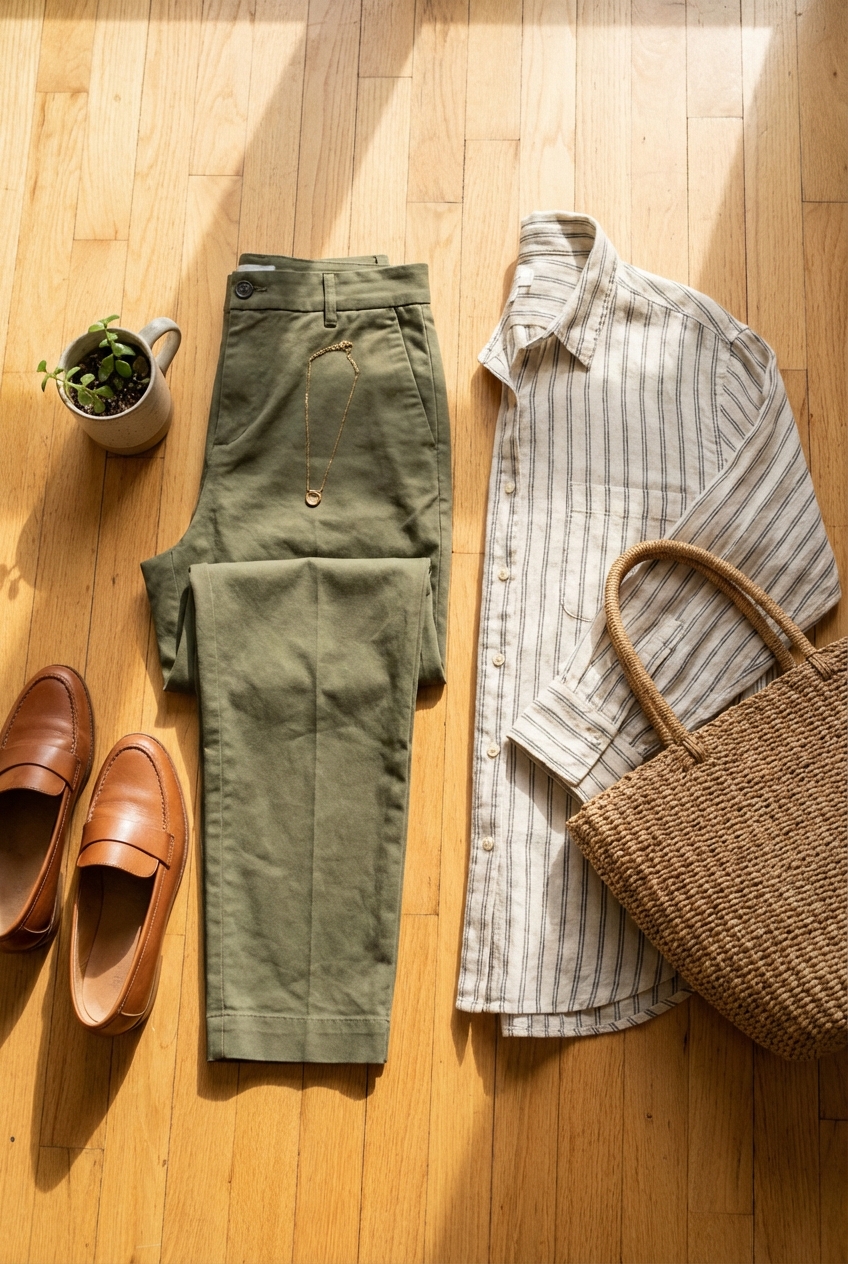
Cropped Pants With Tapered Legs For Effortless Style
There is a specific moment in every fitting session that changes how a client sees themselves. It usually happens when we swap out a pair of dragging, ill-fitting trousers for a perfectly tailored, tapered crop. Suddenly, the posture lifts, the shoes pop, and the entire silhouette looks intentional rather than accidental. As a stylist, I have long championed the cropped tapered pant as the ultimate secret weapon in a wardrobe. It channels the timeless elegance of Audrey Hepburn but offers the modern functionality we need for busy days running from meetings to dinners.
However, nailing this look requires more than just buying a pair of short pants. The difference between “chic Parisian editor” and “shrunken laundry mishap” lies entirely in the mathematics of the fit. We have to consider the break of the ankle, the width of the leg opening, and the visual weight of the fabric. I have spent years pinning hems and adjusting volumes to find that sweet spot where comfort meets high fashion.
In this guide, I am going to walk you through the architecture of the perfect tapered crop. We will cover how to talk to your tailor, which shoes actually work with this hemline, and how to balance your proportions so you look taller, not shorter. For a massive dose of visual inspiration on how to pull this off, be sure to scroll all the way down because our curated Picture Gallery is at the end of the blog post.
The Anatomy of the Perfect Taper
Understanding the construction of the pant is the first step to effortless style. A tapered leg means the pant is roomier through the thigh and gradually narrows toward the ankle. This is distinct from a “skinny” pant, which hugs the calf tight. The taper should skim the body, providing structure without restricting movement.
When shopping or fitting, pay close attention to the “rise” of the pant. Because cropped pants cut off visual length at the ankle, a high-rise waist is non-negotiable for maintaining good proportions. You want the waistband to hit at your natural waist—usually the narrowest part of your torso—to elongate the leg line. A rise of 11 to 13 inches is standard for high-waisted cuts on average frames.
The pleat is another architectural detail that dictates the vibe of the trouser. A flat front creates a cleaner, more minimal line suitable for knitwear and loose tops. A single or double pleat adds volume at the hip, which creates a more dramatic taper effect. I often recommend pleated fronts for clients who want to tuck in slim-fitting tops or bodysuits, as the contrast in volume highlights the waist.
Designer’s Note: The “Carrot” Danger
A common issue I see is the “carrot leg” effect, where the hips are too ballooned and the ankles are too tight. This creates a cartoonish silhouette. To prevent this, ensure the fabric at the thigh has no more than 1.5 inches of pinchable slack if you are going for a slim taper. If the ankle opening is too tight to get your foot through easily, it is too small. The hem should float around the ankle, not grip it.
Selecting the Right Fabric and Weight
The success of a cropped pant relies heavily on the drape. If the fabric is too stiff, the pants will stand away from your body like cardboard boxes. If the fabric is too flimsy, it will cling to the calves and ruin the clean line of the taper. You need a material with “guts”—something that holds a crease but moves with you.
For year-round versatility, tropical wool or a mid-weight wool gabardine is the gold standard. These fabrics have a natural spring to them, meaning they resist wrinkling and drape beautifully over the hip. They look expensive because the fibers catch the light in a soft, diffused way. For a more casual or summer approach, look for heavy linen blends. 100% linen can bag out at the knees within an hour, so a linen-cotton or linen-viscose blend offers that breezy look with better structural retention.
Avoid jersey knits or high-percentage spandex blends for this specific style. Tapered pants are tailored garments; they need structure. Stretchy fabrics tend to look more like activewear or leggings, which defeats the purpose of the polished aesthetic we are aiming for.
Common Mistakes + Fixes
- Mistake: Buying unlined wool pants that cling to tights or bare legs due to static.
- Fix: Always check for a lining, at least to the knee. If you love a pair that is unlined, have a tailor add a Bemberg rayon lining. It adds luxury and ensures the pant hangs straight down without catching on your shins.
The Science of the Hemline
This is the most critical section of this guide. The “crop” is not a vague suggestion; it is a precise location on your leg. If the hem is too high, you look like you are wearing capris from 2004. If it is too low, it looks like your pants shrunk in the dryer. The goal is to expose the most delicate part of the leg—the ankle bone—to create a slimming visual effect.
The ideal hemline should hit exactly at, or up to one inch above, the malleolus (that protruding ankle bone). This length ensures that there is a clear distinction between the end of the pant and the beginning of your shoe. It allows the eye to travel down the leg, see a flash of skin (or sock), and then see the shoe. This break is what makes the look intentional.
If you are petite (under 5’4″), you must be rigorous about this measurement. Showing that sliver of ankle is what prevents the pants from swallowing your frame. Conversely, taller women need to ensure the crop doesn’t veer into “clam digger” territory. You want the hem to feel like a full-length pant that was simply edited, not a pair of shorts that grew too long.
What I’d Do in a Real Project: The Sit Test
When I fit a client, I make them sit down. A tapered pant will ride up when you sit. If the pant rises to mid-calf when seated, it is likely too short. You want the hem to rise slightly but still feel grounded. I also ask the tailor to leave a 2-inch allowance in the hem. This gives weight to the bottom of the pant, helping it hang straight, and allows for future adjustments if shoe preferences change.
Mastering Footwear Transitions
The shoe choice can make or break a cropped pant outfit. Because the hem draws the eye downward, your shoes become a focal point. The most challenging aspect of this style is managing the “gap” between the hem and the shoe, especially in colder months.
Loafers and Flats
This is the classic pairing. A chunky loafer or a sleek pointed flat works beautifully with tapered crops. The key is to show skin. Invisible socks are mandatory here. If you cover the ankle bone with a heavy sock and a flat shoe, you shorten the visual leg line. The flash of skin breaks up the heaviness of the fabric.
Ankle Boots
This is where many people struggle. To wear boots with tapered crops, the shaft of the boot must be fitted. It needs to hug your ankle tightly. The pant leg should fall over the top of the boot or just kiss the rim of it. You want to avoid a wide boot shaft fighting with a tapered hem for space. If the pants bunch up on top of the boots, the look becomes sloppy. A sock boot with a block heel is often the perfect solution.
Heels and Pumps
For an evening or office look, a pointed-toe pump is unparalleled. The pointed toe extends the line of the foot, compensating for the length you lost in the pant. Avoid ankle straps if you have shorter legs, as the strap cuts the visual line right where the pant ends, creating a “stump” effect.
Styling for Proportions: The Rule of Thirds
Fashion is largely a game of geometry. The “Rule of Thirds” suggests that the most pleasing silhouettes divide the body into a 1:2 ratio or a 2:1 ratio, rather than splitting it in half (1:1). Cropped tapered pants naturally shorten the bottom segment of your body, so we need to counter that with smart styling on top.
Because the pants are loose at the thigh and tapered at the ankle, they have inherent volume. To balance this, you generally want to define the waist. A tucked-in blouse, a fitted bodysuit, or a cropped knit that hits the waistband creates a 1:3 ratio (top) to 2:3 ratio (legs). This restores verticality to your frame.
If you prefer an oversized look on top, such as a chunky sweater or an oversized blazer, you must ensure the taper at the ankle is sharp. The contrast between a voluminous top and a slim ankle creates an inverted triangle silhouette that is very chic. However, avoid a tunic-length top that covers the waistband and hips, as this combined with cropped pants will make your legs look roughly 12 inches long.
Pro Tip for Layers
When wearing a coat or trench with cropped pants, pay attention to the coat length. A coat that ends at the same spot as the pants can look heavy. Ideally, your coat should either be significantly shorter (hip length) or longer (mid-calf) than the pants to create dynamic layering.
Seasonal Transitions: Winterizing the Crop
A common misconception is that cropped pants are only for spring and summer. As a stylist, I rely on them heavily in autumn and winter because they showcase great boots. The secret to winterizing this look is managing the exposed skin gap.
When the temperature drops, showing a bare ankle is not practical. This is where statement hosiery comes into play. You can bridge the gap between pant and shoe with a high-quality sock or stocking. A sheer black stocking worn under black tapered wool trousers with black pumps creates a continuous line that is very slimming.
Alternatively, embrace the “intentional sock.” A ribbed cashmere sock in a neutral tone (oatmeal, grey, or navy) worn with loafers adds texture and warmth. The key is that the sock must look deliberate, not like something you grabbed from the gym bag. Ensure the socks are pulled up smoothly with no slouching, maintaining the clean lines of the taper.
Color Theory and Visual Lengthening
If you are nervous about cropped pants making you look shorter, leaning into monochromatic color schemes is the best antidote. Wearing navy trousers with a navy cashmere sweater creates a column of color. The eye doesn’t stop at the waist, so the overall impression is one of height.
Darker colors on the bottom generally create a slimmer leg profile. Black, charcoal, espresso, and forest green are excellent choices for the pant. However, do not be afraid of winter whites or creams. A cream tapered pant can look incredibly luxurious, provided the fabric is thick enough to not show pocket linings or undergarments.
When wearing a lighter colored pant, match your footwear to your skin tone (nude pumps) or the pant color (white boots) to extend the leg line. Wearing white pants with black boots creates a harsh horizontal line at the ankle that visually chops the foot off.
Finish & Styling Checklist
Before you head out the door, run through this mental checklist. These are the exact final touches I look for on a photoshoot set or before sending a client to an event.
What I’d do in a real project:
- Check the Break: Stand in front of a full-length mirror. Does the pant hem buckle or fold over the shoe? If yes, cuff it or change shoes. It should hang straight.
- The Sit Test: Sit down on a chair. Do the pants ride up comfortably? If they cut into your crotch or calves, the fit is too tight.
- Waist Definition: Have I tucked or half-tucked my top? If wearing a blazer, is it open to reveal the waistline?
- Lint Check: Tapered pants often collect dust at the hem, especially if they are wool. A quick lint roll is essential for a sharp look.
- Shoe Condition: Since the eye is drawn to the feet, scuffed toes or worn-down heels are more noticeable. Give your shoes a quick polish.
FAQs
Can I wear cropped pants if I have wide hips?
Absolutely. In fact, tapered pants are often more flattering than skinny jeans for pear shapes. The extra room in the thigh and hip area accommodates curves comfortably, while the tapered ankle highlights the slimmest part of the leg. Look for a pair with a flat front or a side zip to avoid adding bulk to the tummy area.
Are cropped pants appropriate for a formal corporate office?
Yes, provided the fabric is suit-quality (wool, crepe, or heavy blend). The crop should be conservative—hitting the ankle bone, not the calf. Pair them with a matching blazer and closed-toe pumps. Avoid cotton chinos or linen in formal settings.
How do I stop the knees from bagging out?
This is usually a fabric issue. 100% cotton and poor-quality linen will bag. Look for fabrics with “recovery,” such as wool blends or fabrics with a tiny percentage (1-2%) of elastane. Also, dry cleaning helps reset the fibers of tailored trousers better than washing at home.
Should I cuff my tapered pants?
A sewn-in cuff (about 1.25 to 1.5 inches) adds weight to the hem, which helps the pant hang beautifully. It adds a touch of menswear-inspired tailoring. However, if you are very petite, a cuff can visually shorten the leg. In that case, stick to a plain, blind hem for the longest possible line.
Conclusion
Cropped pants with tapered legs are more than just a passing trend; they are a modern classic that solves many wardrobe dilemmas. They offer the comfort of trousers with the sharpness of a suit, bridging the gap between “getting things done” and “looking the part.”
The secret lies in the details. It is about insisting on the right rise, finding a fabric that drapes rather than clings, and being uncompromising about where that hem hits your ankle. Once you find that perfect pair—or have a tailor create it for you—you will find yourself reaching for them constantly. They are the effortless anchor that allows your shoes, your knitwear, and your confidence to shine.
Picture Gallery


