Opera Night Dresses: What to Wear and How to Choose
- Words by
- Julio Arco
- Published
- Reading
- 5 min
For most opera houses, the safe answer is an elegant floor-length gown, a polished cocktail dress or a tailored dressy separate, in a fabric with some weight and sheen. If you are unsure what to wear to the opera, aim for dressier than a theater night and less theatrical than a ball.
Opening nights and galas usually lean toward long dresses. Regular performances are more relaxed, so a knee-length or midi dress works well. Check the house's website for any dress guidance before you buy.
How should you dress for opera night?
Think about three things: the length, the fabric and how you will sit. You will be in a seat for two to three hours, often with a long walk through a lobby and up stairs, so a dress that moves easily matters as much as how it looks standing still.
Traditional dress codes call for black tie on big nights. Many modern audiences dress more freely, and you will see everything from gowns to smart trousers. When in doubt, go one step dressier than you think you need. It is easier to look slightly formal than slightly casual in a room of velvet and chandeliers.
Floor-length evening dresses for the opera
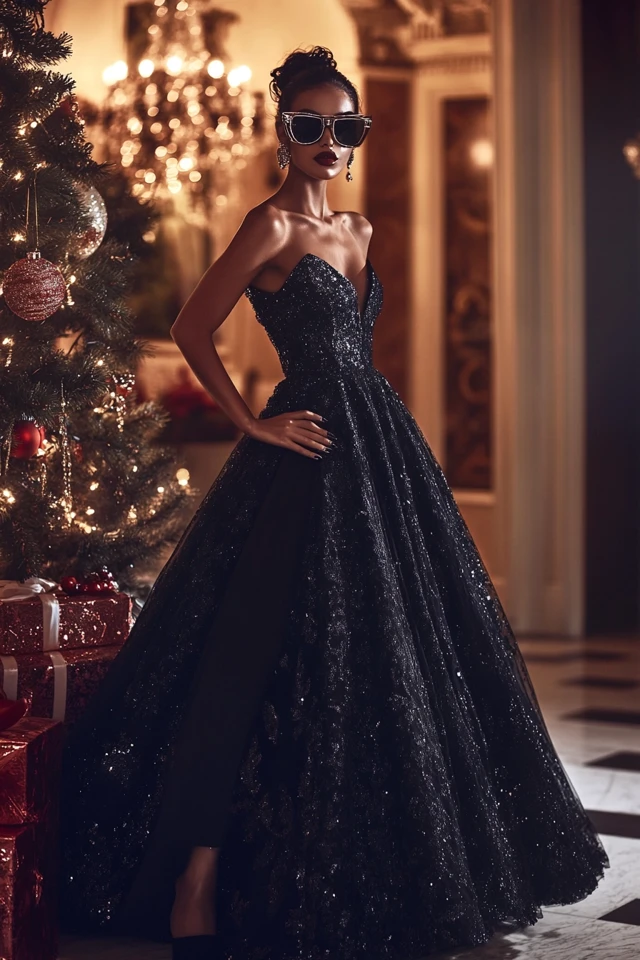
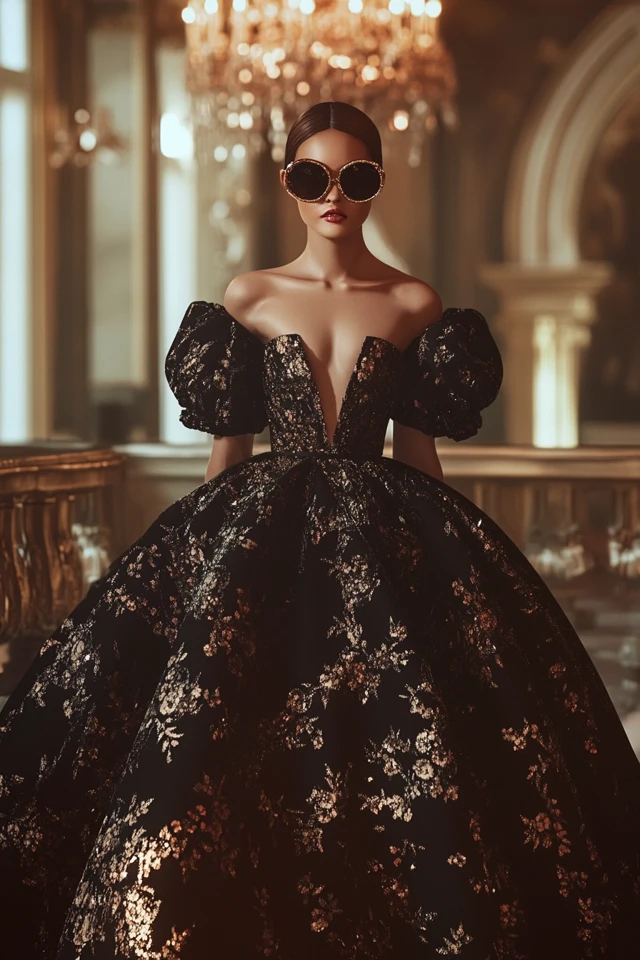
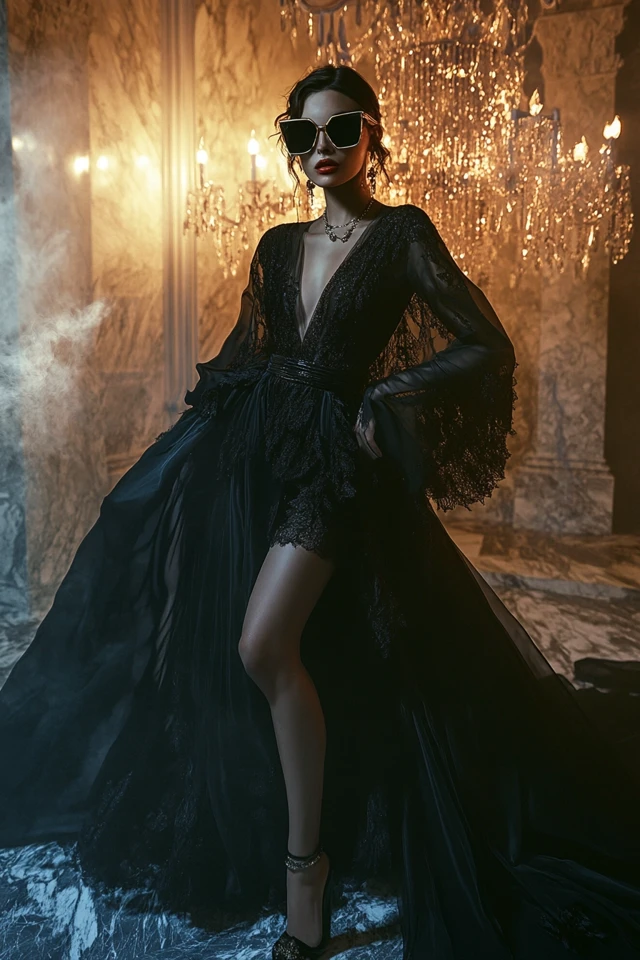
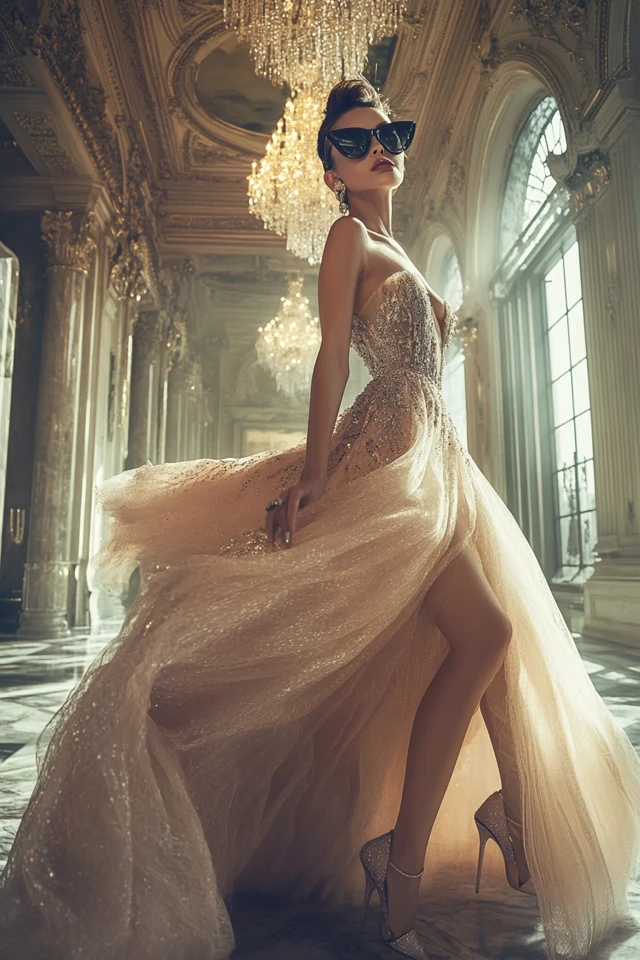
A long gown is the classic choice, and it suits opening nights, galas and premium seats. Look for crepe, satin, velvet or heavier chiffon. These fabrics drape and hold their shape through hours of sitting.
Silhouette is a matter of comfort as well as proportion. An A-line or column skirt lets you climb stairs without gathering fabric in your hands. A full ball skirt looks dramatic but takes up room in a tight row of seats. If you want a longer look in a narrow seat, a soft A-line is the easier pick.
For more ideas in this register, see regal evening gowns for opera nights and evening gowns for black tie galas.
Cocktail and midi dresses
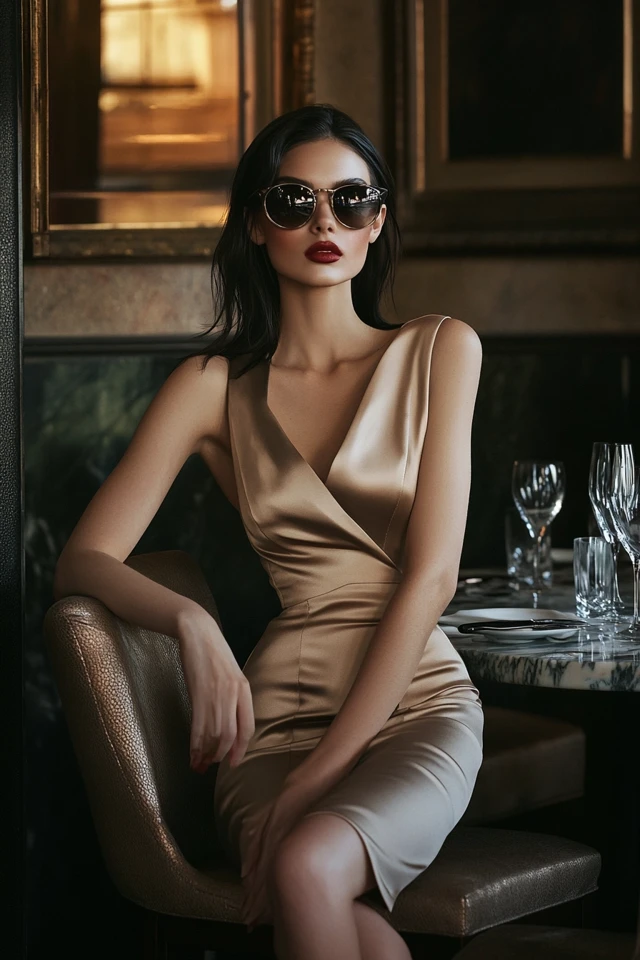
A cocktail dress that hits at or just below the knee is right for most regular performances. A midi in a structured fabric reads as dressy without needing a wrap or train.
Texture does a lot of the work here. Through the lens of evidence-based design, I'd pick the heavier weave over the shinier one for an evening room, because texture changes how a color reads under warm, low light. A matte crepe in deep green looks richer than a thin, glossy fabric in the same shade.
Is a black dress right for the opera?
Yes. An opera dress in black is the most reliable option, and it has a long history as an evening standard. The Metropolitan Museum of Art notes that Chanel's little black dress from 1926 became a staple of late afternoon and cocktail hours, valued as a practical, well-mannered black.
To keep black from looking flat, vary the textures: velvet with satin shoes, crepe with a beaded clutch, or lace at the neckline. Add one point of light near the face, such as earrings or a brooch.
Opera night dresses with sleeves
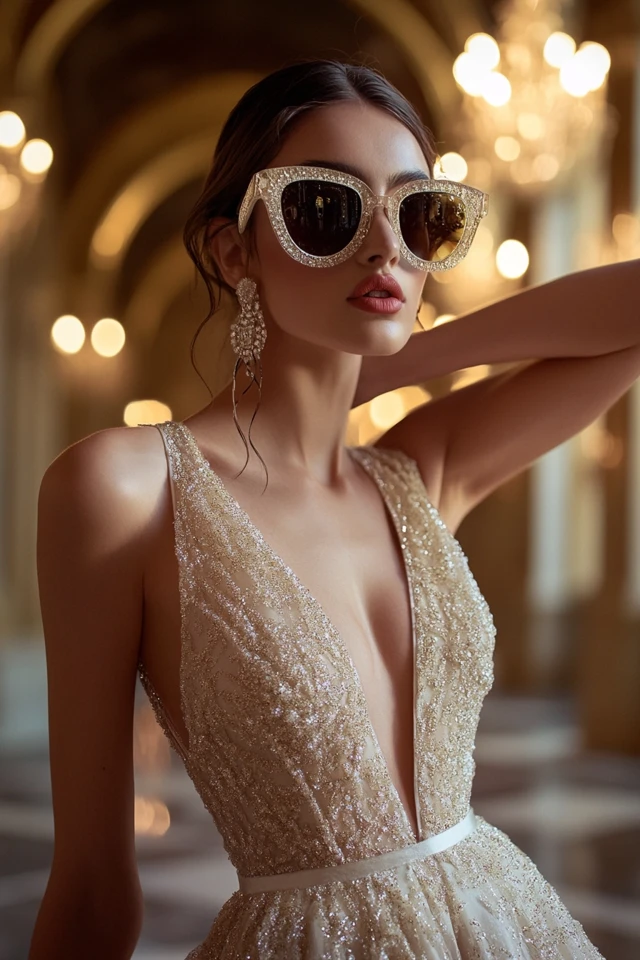
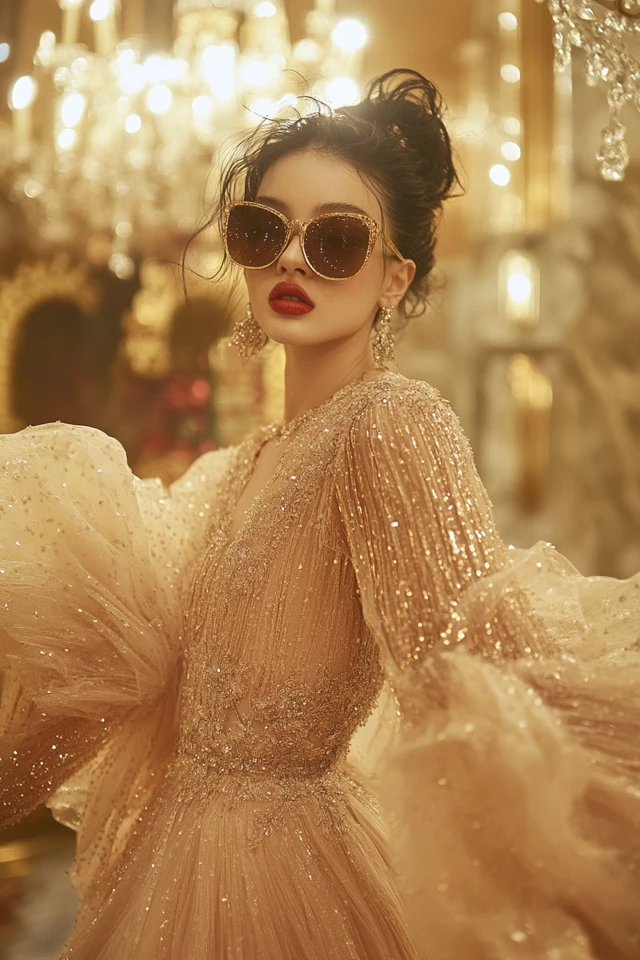
Sleeves are practical in cold auditoriums and are very much in keeping with formal dress. Long sheer sleeves, three-quarter sleeves and cap sleeves all work. Make sure you can lift your arms comfortably, since you may be applauding for a while.
If a dress is sleeveless, a tailored jacket, bolero or wrap solves the problem and adds a second layer of interest. Keep the wrap in a fabric that matches the dress's formality, such as velvet, silk or a fine wool, rather than a casual knit.
Tailored separates and suits
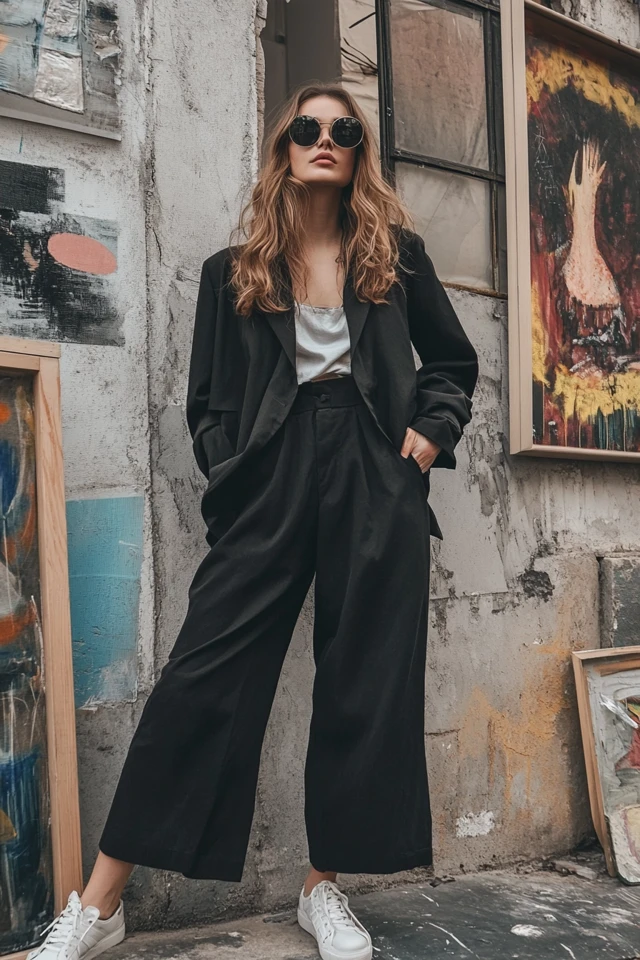
A dress is not required. Wide-leg evening trousers with a silk blouse, or a tailored suit in velvet or crepe, are widely accepted at most houses. The key is fabric and fit: the shoulder seam should sit where your shoulder ends, and the trouser hem should skim the top of your shoes.
A fitted jacket that pulls across the back is a fit problem, not a you problem. Size up and have the waist taken in if needed.
Opera dress plus size: what to look for
The same rules apply, and good structure helps. Look for dresses with a defined waist, a supportive bodice or lining, and a fabric with enough weight to skim rather than cling. Wrap styles, A-lines and empire waists are all easy to sit in.
Check the dress seated before you commit. Sit down in the fitting room and see whether the bodice rides up or the skirt pulls. Any sleeve should leave room to move.
Shoes, bags and outerwear
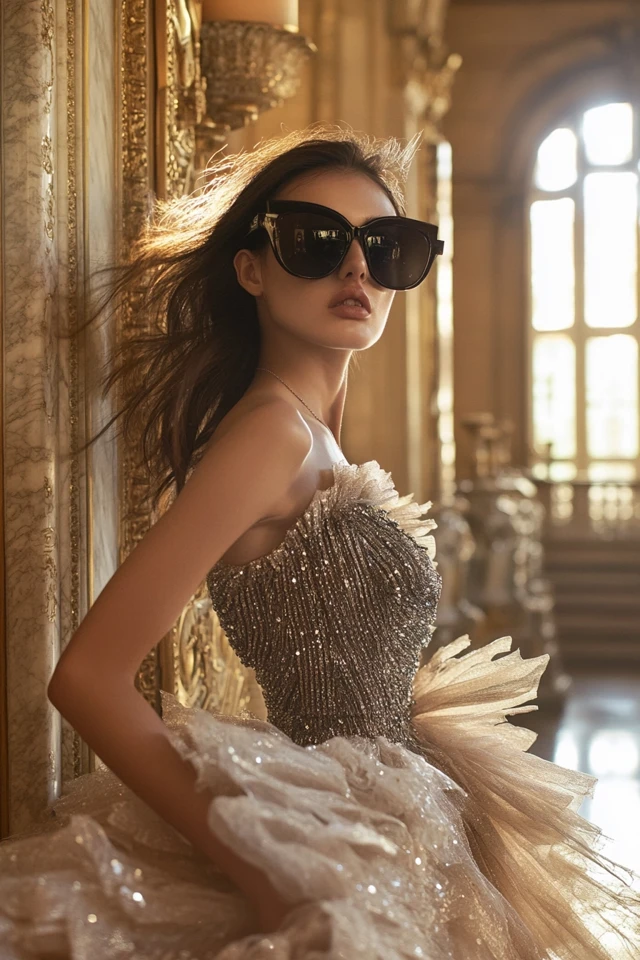
Choose shoes you can stand in during intermission and climb stairs in. A block heel or a low heel is more forgiving than a stiletto on marble steps. For a long dress, wear the shoes at fitting time so the hem is the right length.
Keep the bag small, since there is little room under a seat. A clutch or a small chain bag is enough. Most venues have a coat check, so a good coat in a dark neutral is worth bringing, as it keeps the look clean in the lobby.
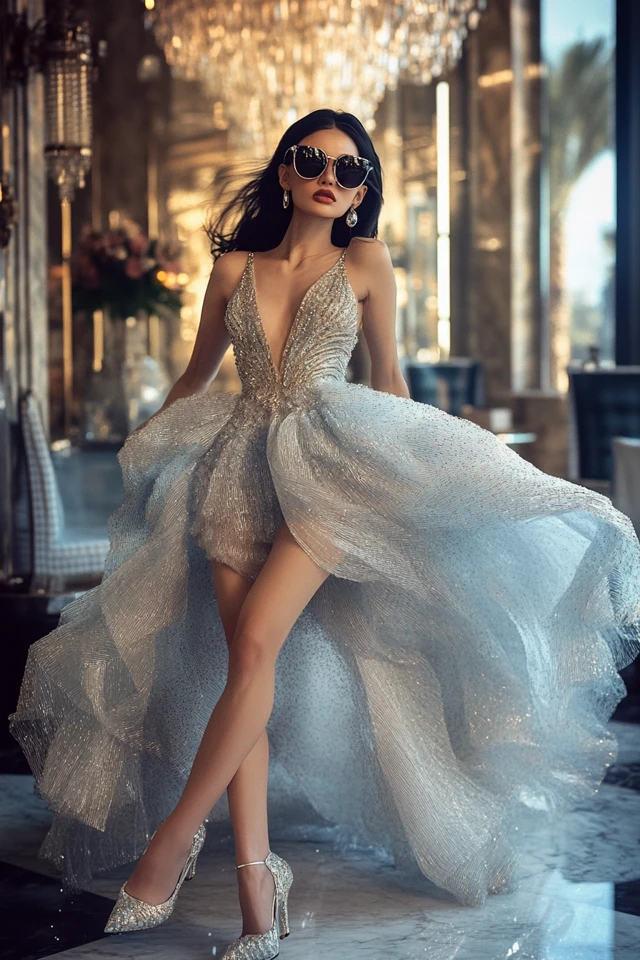
For jewelry, pick one focus. If the dress is beaded or sequined, keep earrings simple. If it is plain, a statement necklace or earrings can carry the look. For beadwork ideas, see satin and beaded embellishments for gowns.
Color and city considerations
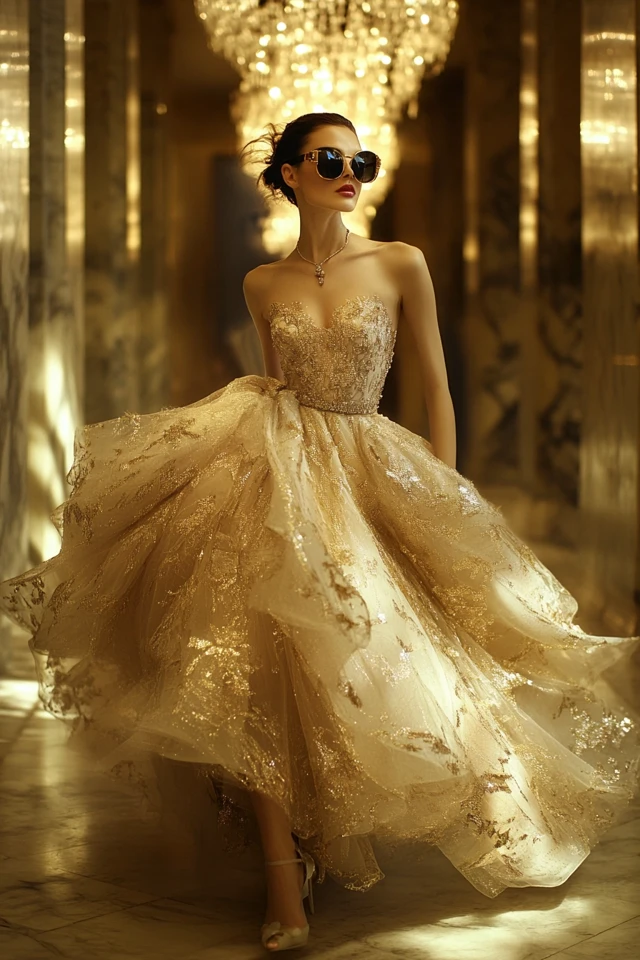
Deep jewel tones, black, navy, burgundy and metallics suit an opera house's warm lighting. Light, soft colors work too. Kathryn Hennessy, editor of Fashion: The Ultimate Book of Fashion and Style, describes the Edwardian era's look this way: "Sumptuous fabrics such as silk satin, damask, and chiffon, usually in light, soft colours, were decorated with lace, rhinestones, and spangles, often highlighting a part of the body or the face". The idea of putting light near the face still holds.
Venue and season matter. Big-city houses and opening nights lean formal, while smaller or regional venues are often relaxed. In winter, think velvet and sleeves. In summer, lighter crepe or chiffon works, though the auditorium may still be cool.
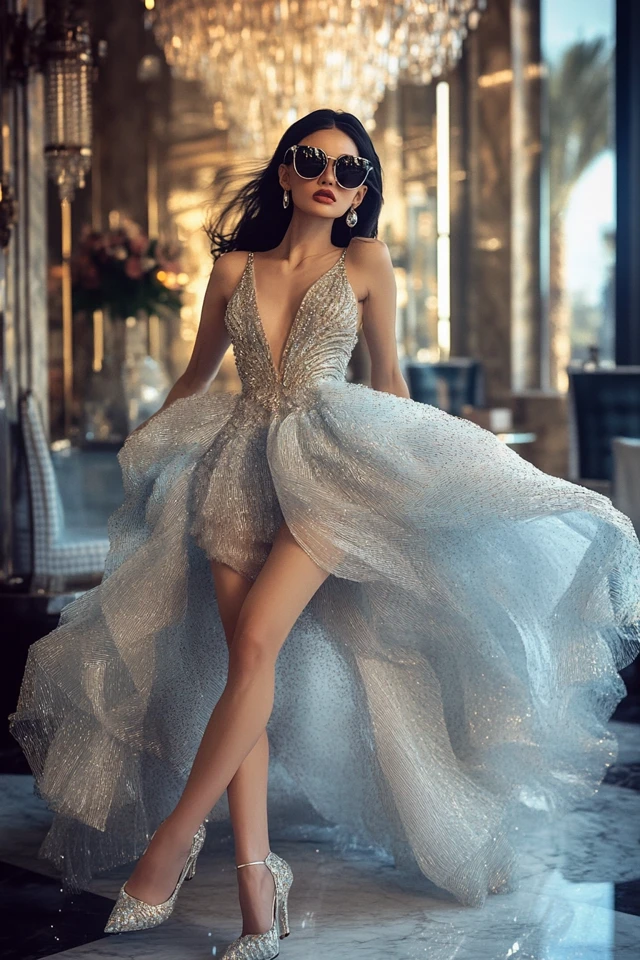
If your evening involves a gala after the show, the dress can often double for it. See red carpet gowns for more dramatic options.
Frequently asked questions
How to dress for opera night?
Wear a floor-length gown, a polished cocktail dress or tailored separates in a fabric with some weight. Go a step dressier for opening nights and galas, and check the venue's website for any dress guidance.
What do ladies wear to the opera?
Most women wear evening gowns, midi or cocktail dresses, or dressy trousers with a silk top. Black, jewel tones and navy are common, and the level of formality depends on the house and the night.
What are some good options for evening dresses for the opera?
A crepe or velvet column gown, an A-line satin dress, a structured midi and a velvet suit all work. Choose a silhouette you can sit and climb stairs in comfortably.
What should a 50 year old woman wear to a concert?
The same rules apply at any age: choose a dress or separates with good fit and a quality fabric. A tailored midi dress or a trouser set with a silk blouse is a dependable option for a concert.
Filed under Uncategorized