
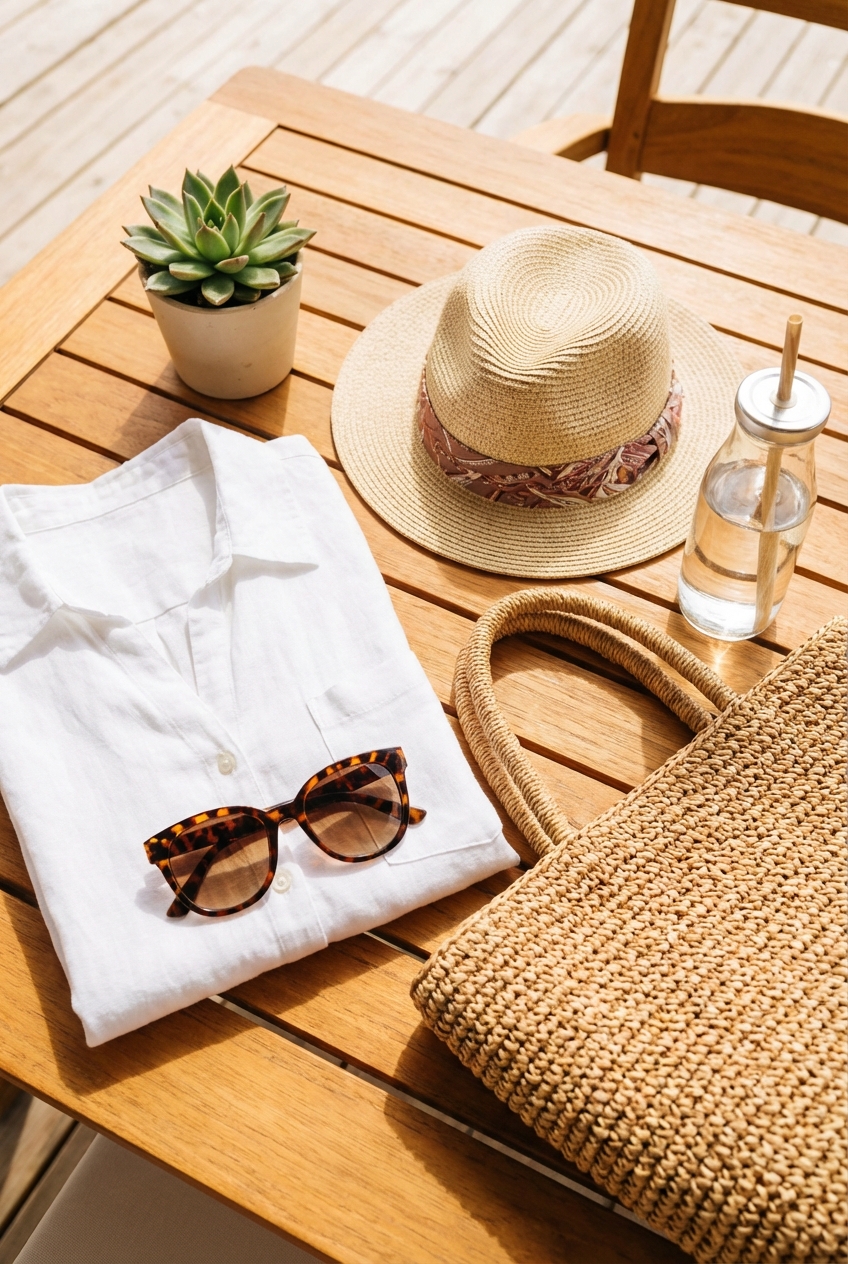
Heatwave Hacks Lightweight Styles To Beat The Summer Heat
As a fashion editor, I have spent years training my eye to understand how fabrics drape, breathe, and move against the body. We know instinctively that wearing a heavy wool coat in mid-July is a recipe for disaster, yet we often subject our homes to the interior design equivalent of a winter parka during a heatwave. Just as you rotate your wardrobe from cashmere to linen, your living space requires a seasonal transition to maintain comfort and style.
The psychology of “feeling cool” is just as important as the actual temperature on your thermostat. When I style a home for a summer editorial, I treat the room like a model on a runway: stripped of excess weight, dressed in breathable layers, and accessorized with cool-to-the-touch materials. It is about creating a sensory experience that lowers your heart rate the moment you walk through the door.
In this guide, I will walk you through the high-end adjustments I make to interiors when the temperature spikes. We will cover everything from fabric permeability to furniture layouts that promote airflow. For a dose of visual inspiration, be sure to check out the Picture Gallery at the end of the blog post.
1. The Fabric Edit: Swapping Weight for Weave
In the fashion world, the difference between suffering and thriving in the heat comes down to fiber content. The same logic applies to your upholstery, bedding, and soft goods. Synthetic blends like polyester or heavy velvets trap heat against the surface, creating a “micro-climate” of warmth that you do not want in August.
Start by auditing your textiles. If you have a velvet sofa, you do not necessarily need to buy a new couch. Instead, utilize a slipcover in a Belgian linen or a heavy-weight cotton duck canvas. These natural fibers are hygroscopic, meaning they absorb moisture and release it away from the body, keeping the surface cool.
For the bedroom, look closely at the weave of your sheets. Many clients assume “high thread count” means luxury, but a thread count over 400 often requires a tighter weave that traps heat. I recommend a crisp cotton percale in the 200–300 thread count range. Percale uses a “one-over, one-under” weave structure that allows air to pass through much more freely than the silky, tighter weave of sateen.
Designer’s Note: The Throw Pillow Swap
A common issue I see is keeping heavy, textured wool or fur throw pillows out year-round. These are visually heavy and physically hot. In my own projects, I strip pillows down to their inserts and store the winter covers. I replace them with lighter, slightly smaller covers in silk or linen. This creates a relaxed, “slouchy” look that mimics a summer linen suit.
Common Mistakes + Fixes
Mistake: Using synthetic mattress protectors that feel like plastic.
Fix: Invest in a wool-filled or bamboo mattress protector. Surprisingly, thin wool regulates temperature better than polyester and wicks sweat immediately.
2. Window Treatments: The “Summer Dress” Effect
Think of your curtains as the dress your room wears. In winter, you want structure and weight; in summer, you want movement and light filtration. Heavy drapes can actually trap heat inside the room if they are dark, absorbing solar radiation and radiating it back into your living space.
However, you still need to block direct sunlight. The solution is layering. I prefer installing a discreet, architectural solar shade mounted inside the window frame. These shades can block 95% of UV rays while still allowing you to see the view. This acts like high-quality sunglasses for your home.
Over the solar shade, hang floor-to-ceiling sheers. Linen sheers add softness and diffuse the harsh midday light into a flattering glow. Ensure your curtain rod is hung high—at least 4 to 6 inches above the window frame—and wide enough so the stack of fabric sits completely off the glass when open. This maximizes airflow when the window is actually open.
What I’d Do in a Real Project
- Measure the drop: I ensure the curtains “kiss” the floor. Puddling fabric creates a heavy look and traps dust/heat at the floor level.
- Select the tone: I choose white or off-white backings for any window treatment. This reflects the sun outward rather than absorbing it.
- Hardware check: I switch to thinner, more delicate curtain rods in matte nickel or brass, moving away from heavy wooden poles.
Designer’s Note: Thermal Lining
If you are a renter and cannot install solar shades, buy curtains with a “3-pass” thermal lining in a light color. It is not as breezy looking, but it physically stops the heat transfer. It is the interior design equivalent of SPF 50.
3. Floor Plan Flow: Creating Cross-Ventilation
When I style a fashion shoot, I look at the silhouette. Is it crowded? Is there negative space? In a hot home, clutter and tight furniture arrangements stifle airflow. Air needs a clear path to move from a window to a door or another window.
Look at your layout. If the back of your sofa is blocking a window or a sliding door, you are blocking the primary source of cool air. Pull your furniture away from the walls. Floating your seating arrangement creates a sensation of airiness and luxury.
Aim for wider walkways than usual. Standard design rules suggest 30 to 36 inches for a walkway, but in the summer, I push for 42 to 48 inches if the room allows. This physical space reduces the feeling of claustrophobia that often accompanies high humidity.
Common Mistakes + Fixes
Mistake: Pushing all furniture against the walls to “make room.”
Fix: This often creates a stagnant dead zone in the center. Group furniture in the center to allow air to circulate around the perimeter of the room.
What I’d Do in a Real Project
- Clear the vents: I personally check every AC vent and radiator. Often, a long drape or a bookshelf is partially obstructing airflow.
- Remove the excess: I practice “summer editing.” I remove about 20% of the decorative objects, heavy ottomans, and floor poufs. Less stuff equals less heat retention.
4. The Cool Touch: Hard Surfaces and Rugs
In fashion, we balance textures—silk against denim, leather against lace. In interiors, summer is the time to emphasize “cold” materials. Stone, glass, metal, and polished wood feel physically cooler to the touch because they conduct heat away from your skin.
If you have a heavy, high-pile wool rug, it is retaining heat. Just as you wouldn’t wear a sweater on your feet in July, your floor shouldn’t either. I often recommend rolling up expensive wool rugs for the season and storing them. This exposes the wood or tile floor, which naturally stays cooler.
If a bare floor feels too unfinished, swap in a flat-weave rug. Jute, sisal, or seagrass are excellent options. They offer texture without warmth. They also provide that organic, beach-house aesthetic that feels inherently summery.
Designer’s Note: Rug Sizing Logic
When switching to a summer rug like sisal, you can often go slightly smaller to show more “cool” floor. However, the rule of thumb remains: the front legs of all seating furniture should sit on the rug. If you are using a 5×8 rug in a room that needs an 8×10, it will look like a postage stamp and cheapen the design.
Common Mistakes + Fixes
Mistake: Using synthetic “outdoor” rugs inside that feel plasticky and sticky under bare feet.
Fix: Stick to natural fibers indoors. Save the polypropylene for the patio.
5. Biophilic Cooling: Plants as Natural Air Conditioners
Plants are the ultimate accessory. In fashion, a floral print is a summer staple; in design, living flora is a functional necessity. Plants undergo transpiration, a process where they release moisture into the air, which can slightly cool the surrounding environment.
I like to use large-scale trees to create a canopy effect indoors. A Ficus Audrey or a large Majesty Palm can create dappled shade within a bright room. The psychological effect of seeing lush greenery also tricks the brain into feeling cooler.
Be mindful of scale. A tiny succulent on a coffee table does nothing for the room’s impact. Go for height. Place a tall plant in a corner that gets good light but tends to trap heat. The plant will utilize that energy.
What I’d Do in a Real Project
- Grouping: I group three plants of varying heights in a corner. This creates a micro-climate of higher humidity and cooler air.
- Pot selection: I use terracotta or light-colored ceramic pots. Dark pots absorb heat and can actually cook the plant’s roots in direct sun.
- Safety check: If you have pets, avoid Sago Palms or Lilies. Opt for a Boston Fern or a Spider Plant, which are non-toxic and excellent air purifiers.
6. Outdoor Oasis: Styling for High Noon
Extending your living space outdoors is the best way to make a home feel larger, but it is useless if the patio is a scorching frying pan. We need to treat the patio with the same rigor as the living room.
Shade is the non-negotiable priority. An umbrella is not just a prop; it is architecture. A common error is buying an umbrella that is too small for the table. The canopy should extend 2 feet beyond the edge of the table on all sides to ensure no one is eating in the sun.
For furniture, avoid dark metals like wrought iron which can cause burns. Teak or light-colored wicker stays cooler. If you have metal furniture, thick cushions in performance fabrics (like Sunbrella) are mandatory to protect the skin.
Designer’s Note: The Ground Plane
Concrete and stone pavers get incredibly hot. Here, I do recommend an outdoor rug made of recycled plastic or polypropylene. It defines the “room” and allows you to walk barefoot without burning your soles.
Common Mistakes + Fixes
Mistake: Relying on overhead string lights that emit heat.
Fix: Switch to LED bulbs for all outdoor lighting. They emit zero heat and attract fewer bugs.
Finish & Styling Checklist
Before you consider your summer transition complete, run through this final edit. These are the finishing touches that elevate a space from “lived in” to “designed.”
The Visual Cooling Checklist:
- Color Palette: Have you introduced cool tones? Swap warm beige throws for crisp whites, icy blues, or sage greens.
- De-clutter: Have you removed heavy stacks of books and magazines? Clear surfaces feel cooler.
- Lighting: Have you switched to lower Kelvin bulbs? Bright white daylight bulbs (5000K) can feel harsh and hot. Soft warm white (2700K) feels more like a sunset.
- Scent: Never underestimate the olfactory sense. Switch heavy vanilla or woodsy candles for diffusers with citrus, eucalyptus, or cucumber notes.
- Art: If you have dark, heavy oil paintings, consider swapping them for framed photography or prints with abundant white space.
FAQs
Q: I rent an apartment with wall-to-wall carpet. How can I make it cooler?
A: This is a tough constraint. I recommend layering a large area rug on top of the carpet. A flat-weave bamboo or seagrass rug is stiff enough to sit on top of the pile and provides a cooler surface for your feet. Visually, it breaks up the expanse of fuzzy carpet.
Q: Are ceiling fans actually stylish?
A: Absolutely, if you choose the right one. Avoid the clunky styles with tulip glass light fixtures. Look for “hugger” fans in matte white (to blend into the ceiling) or sleek, propeller-style fans in natural wood. They should be whisper-quiet. A fan can lower the felt temperature by 4 to 6 degrees.
Q: How do I keep my leather sofa from feeling sticky?
A: Leather is durable but tricky in heat. A sheepskin throw is actually great here—it regulates temperature naturally. Alternatively, use a large linen throw blanket tucked tightly over the seat cushions. Condition the leather properly so it breathes rather than acting like plastic.
Q: What is the best blackout curtain solution for a nursery?
A: For nurseries, function wins. Install a cellular (honeycomb) shade inside the frame. The pockets of air in the shade act as insulation. Layer a cute cotton curtain over it for style. This keeps the room cool for midday naps without looking industrial.
Conclusion
Transforming your home for the heatwave is not just about survival; it is an opportunity to refresh your aesthetic. Just as we look forward to breaking out our summer wardrobe, we should look forward to the ritual of lightening our homes.
By focusing on natural fibers, maximizing airflow, and editing out visual weight, you create a sanctuary that feels miles away from the scorching pavement outside. It is about respecting the season and working with it, rather than fighting against it with air conditioning alone.
Treat your home with the same curatorial eye you apply to your closet. Keep it light, keep it breathable, and keep it chic.
Picture Gallery


