Wool and Cashmere Coats: Warmth, Fit and What to Check
- Words by
- Julio Arco
- Published
- Reading
- 5 min
Yes, wool and cashmere is a good blend for a winter coat. Wool supplies structure and durability, and a share of cashmere adds softness and a lighter, smoother feel. If you want a coat that holds its shape on a commute and still feels good against your neck, this is the blend to look for.
Below: how the two fibers differ, how warm the blend is, which cuts suit which builds, and what to check on the label and in the fitting room.
Why do wool and cashmere work well together?
Each fiber covers the other's weak spot. Wool is resilient and springs back, so it gives a coat the body to hold lapels, shoulders and a clean hem. Cashmere is finer and softer, so it takes away the scratch and adds a smoother drape.
Through the lens of evidence-based design, I'd pay attention to the surface first. Fine, soft fibers catch light more gently, so the same camel or navy reads calmer and deeper than it does in a coarser weave.
A common ratio people mention is mostly wool with a smaller share of cashmere. There is no single correct split, so read the fiber label and judge the fabric by touch rather than by one number.
Is a cashmere coat better than a wool coat?
It depends on what you want from it. A coat made entirely of cashmere is softer and lighter, but it tends to be more delicate, and it can pill and mark more easily. Wool is sturdier and usually costs less.
A blend sits in between. If you walk, take transit and sling a bag over your shoulder every day, the wool content helps the coat survive that friction. If the coat is for dressier evenings, a higher cashmere share is easier to justify.

How warm is a wool and cashmere coat?
Warmth comes from the fabric's thickness and weave, the lining, and what you wear underneath, more than from the fiber name alone. A dense, heavier wool-cashmere cloth will be warmer than a thin one with the same label.
For very cold days, layer smartly. Texas A&M's Howdy Health advises that the layer closest to your skin should be made of moisture wicking materials that draw sweat away from your skin, and that advice is aimed at exercise. For everyday wear under a coat, a thin knit or a fine turtleneck works well. Our guide to soft turtlenecks under wool coats covers that layer.
Which coat style should you pick?
By style
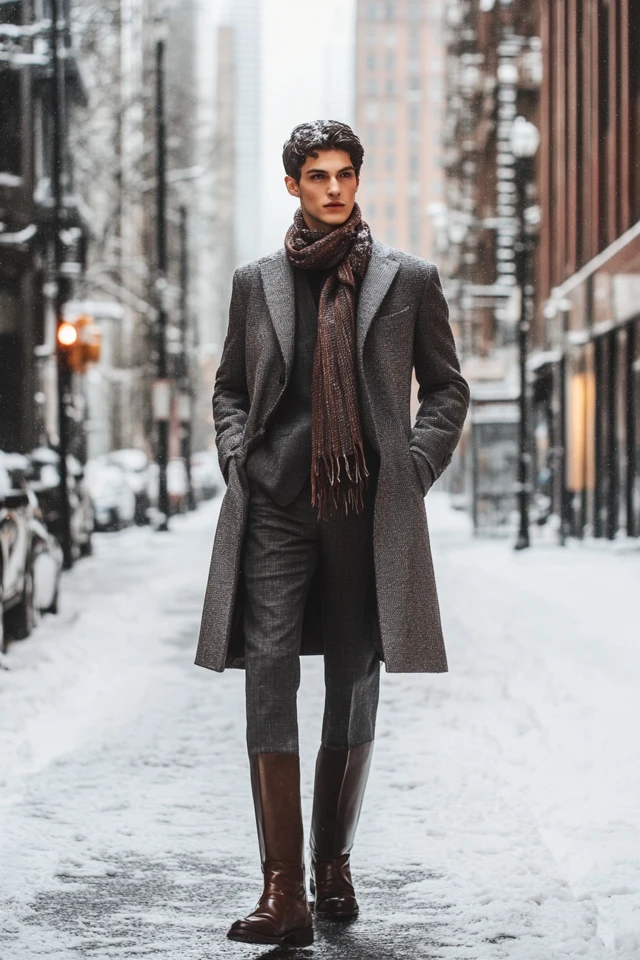
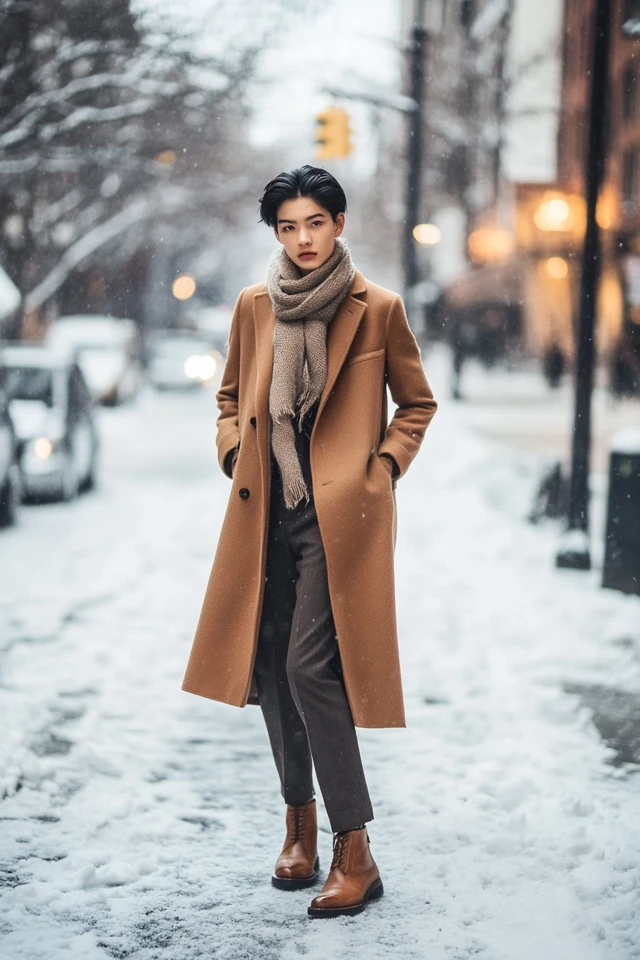
- Classic: a double-breasted or tailored coat in camel, navy or charcoal.
- Minimal: a single-breasted cut with clean lines in ivory or slate gray.
- Soft and feminine: a belted wrap with a shawl collar in cream, taupe or blush.
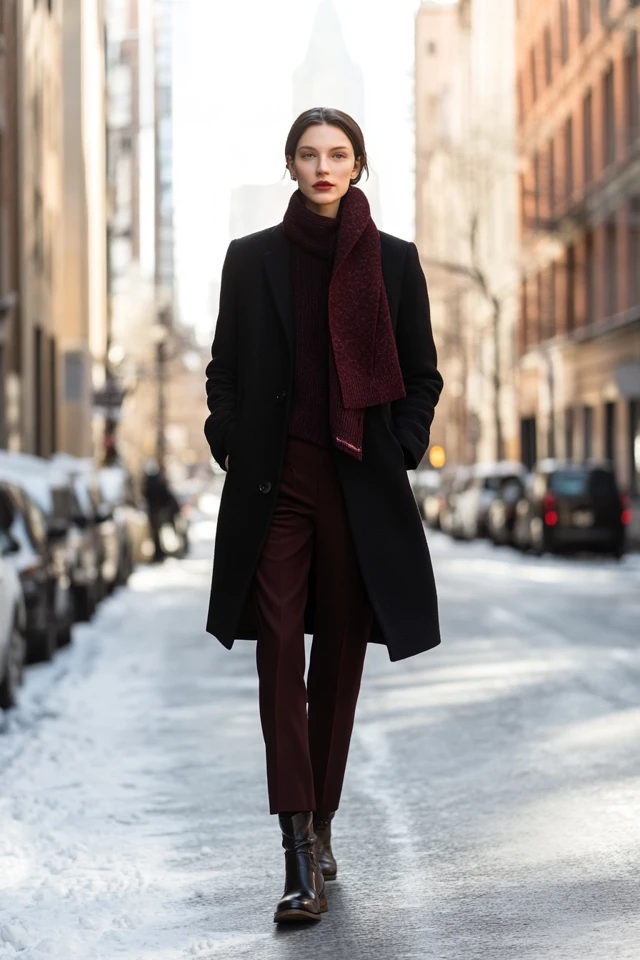
- Bold: an oversized shape or a deep jewel tone such as emerald or burgundy.

By build and height
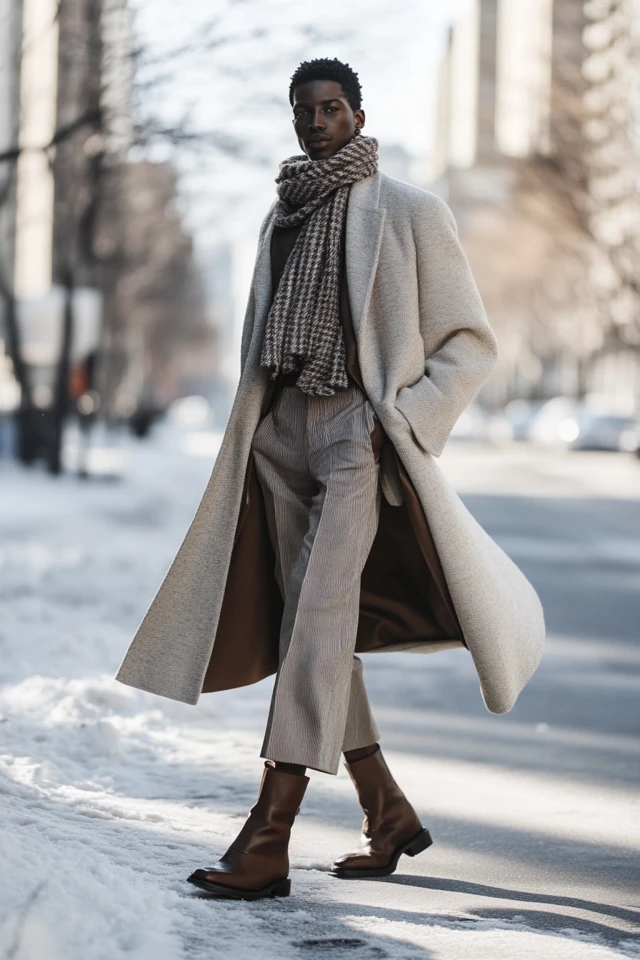
Shorter frames usually look balanced in coats ending at the hip or thigh. A wool and cashmere long coat suits taller people well, and a belt helps define the waist. A wrap or belted style gives curvier figures a defined waist, while structured shoulders add shape to a straighter build.
Long coats are not off limits if you are petite. Keep the hem consistent and the shoulders fitted, and the length reads as intentional.
What is a double-face wool cashmere coat?
Double-face fabric is two layers of cloth woven together, so the coat needs no lining and the inside is as finished as the outside. The seams are often left raw or bound neatly. It is usually soft and smooth and drapes well, which suits wraps and long, unlined shapes. Look at the edges and the inside seams: neat finishing is a sign of careful making.

What should you check before buying?
- Fiber label: see the actual percentages, and keep in mind that a label reading only wool and cashmere says nothing about the ratio.
- Shoulders: the seam should sit where your shoulder ends. A coat that pulls across the back is a fit problem, not a you problem.
- Sleeves: with a sweater underneath, you should still be able to lift your arms comfortably.
- Hand-feel: rub the fabric between your fingers. It should feel smooth, not scratchy, and spring back when you squeeze it.
- Hem and lining: the lining should not pull the hem up, and the buttons should be sewn firmly.
Price varies widely by brand, cloth weight and cashmere share, so I won't give a number. Compare the fiber content, the lining and the construction across coats instead of the price tag alone.

How do you style and care for the coat?
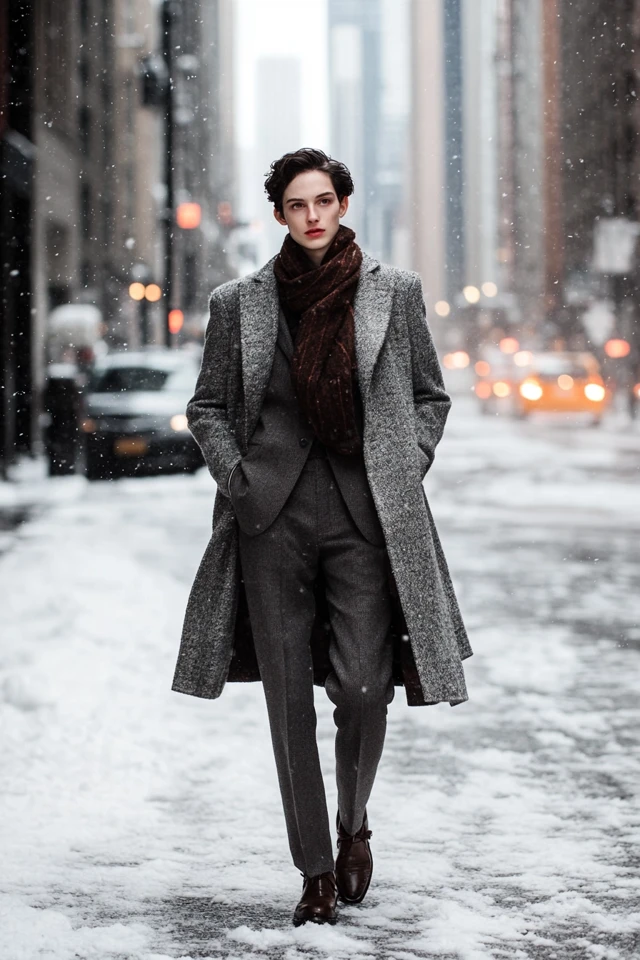
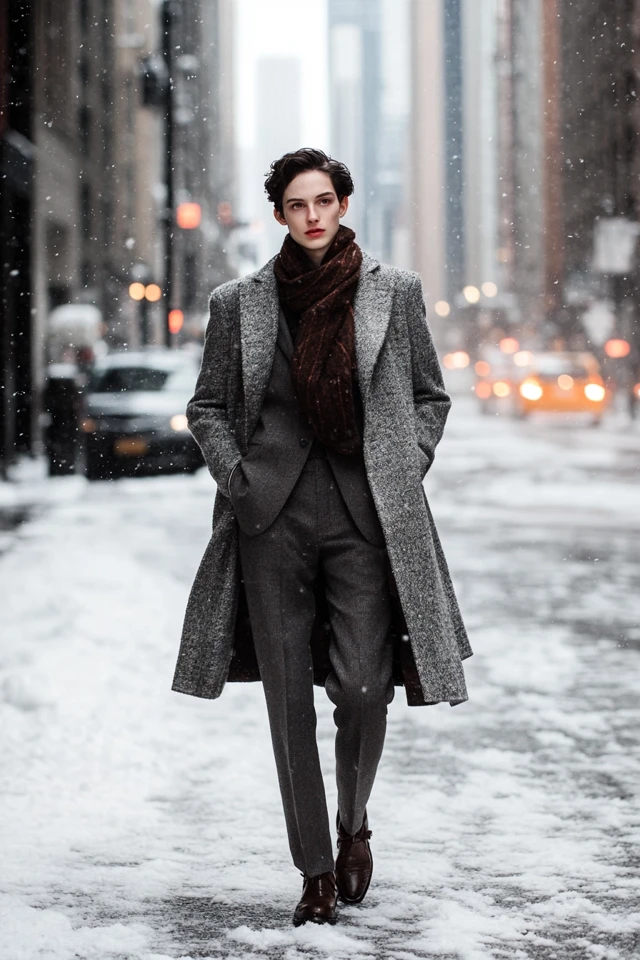
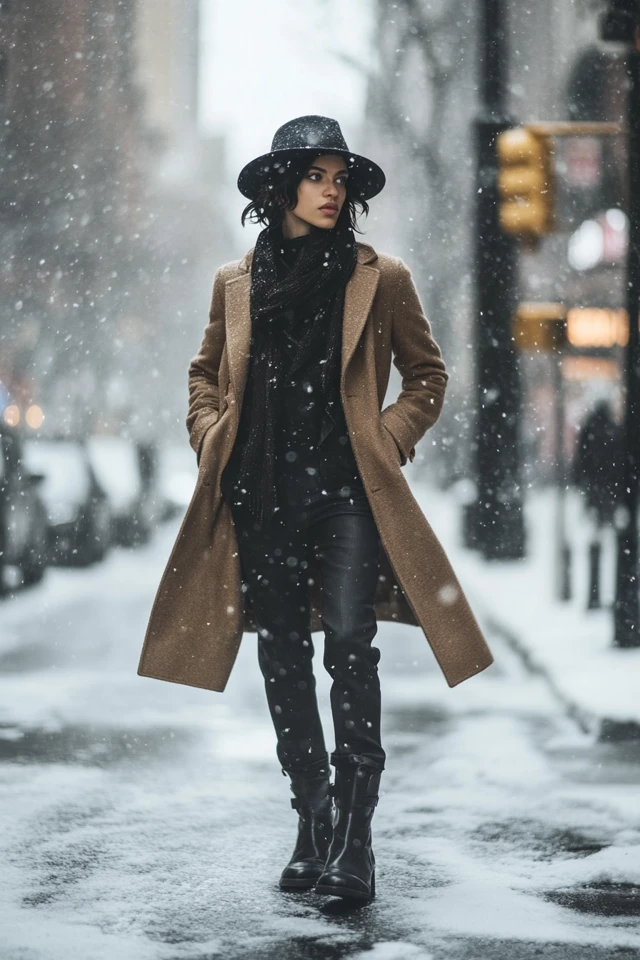
Neutrals such as camel, navy and black pair with most of a wardrobe. Add color through a scarf, gloves or a bag. Ankle boots, knee-high boots and loafers all work, and a structured handbag keeps a tailored coat looking sharp. For more ideas, see wool and cashmere layers for elegant outfits and warm wool coats for winter sophistication.
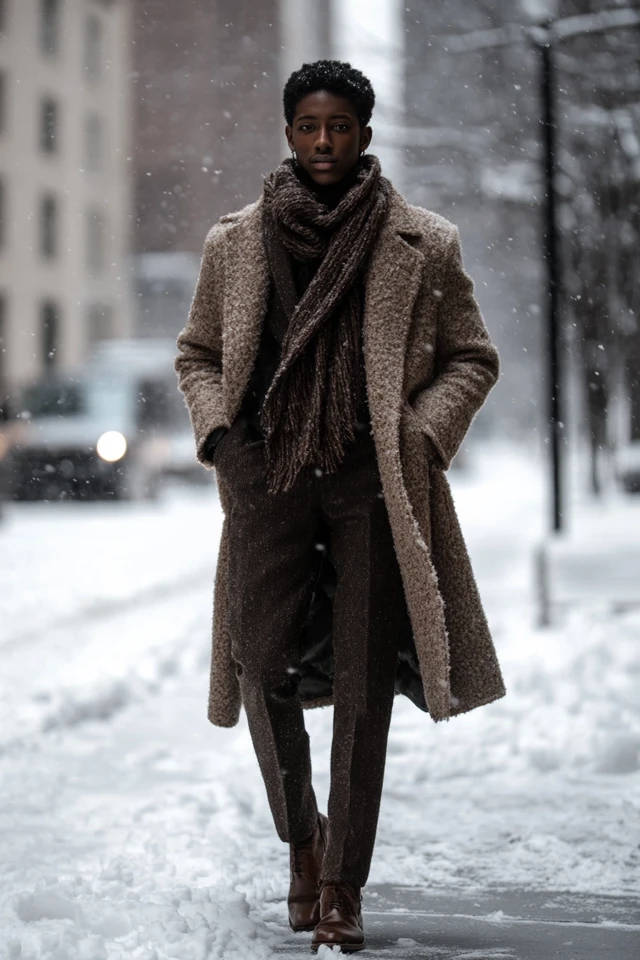
For care, follow the label, and store the coat on a broad-shouldered hanger in a breathable garment bag. Treat spills quickly. The University of Georgia Extension notes that ammonia damages silk and wool, so avoid home remedies that use it and ask a dry cleaner about stains.
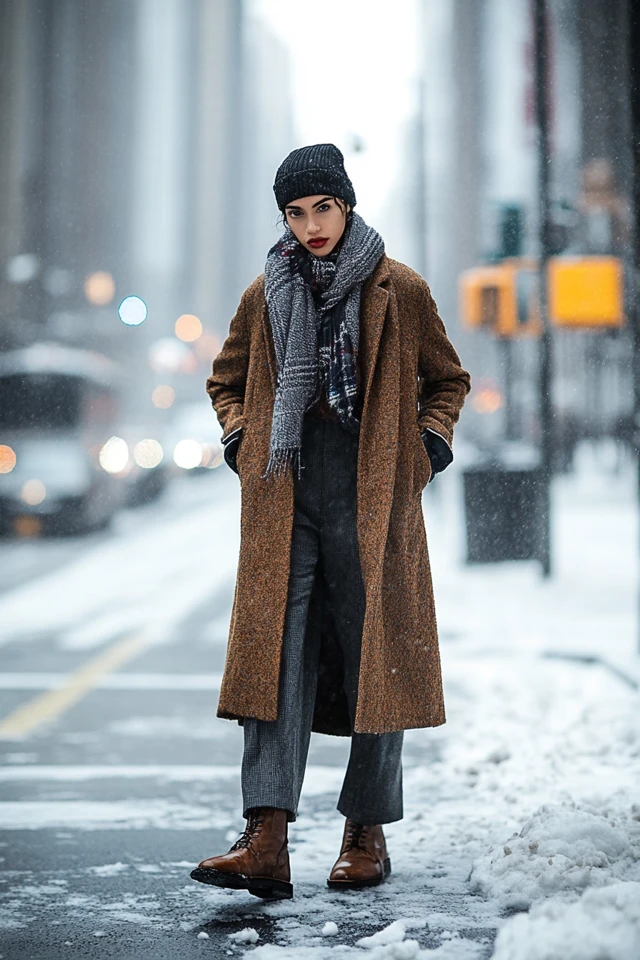

If you prefer a purely wool option, compare with warm wool coats for winter chic. For a deep color, look at luxe wool coats in jewel tones.
Frequently asked questions
Is wool and cashmere a good blend?
Yes. Wool adds structure and durability, and cashmere adds softness and a smoother drape. The result is usually more hard-wearing than pure cashmere and softer than plain wool.
Is cashmere coat better than wool coat?
Cashmere is softer and lighter but more delicate and usually pricier. Wool wears harder, so the better choice depends on how often and how roughly you wear the coat.
How much should a cashmere coat cost?
Prices vary a lot with the brand, fabric weight and cashmere share. Compare fiber percentages, lining and construction across coats instead of aiming for one number.
Can wool and cashmere coats be worn casually?
Yes. Pair one with jeans, boots and a knit sweater for a relaxed look. The structure of the wool keeps it tidy over casual clothes.
Filed under Fabrics & Textures