Shoulder Length Haircuts: S-Curve Ideas to Ask For
- Words by
- Julio Arco
- Published
- Reading
- 4 min
The medium S-curve is one of the easiest shoulder length haircuts to wear. Hair ends near the collarbone or just above it, and the lengths bend in a soft S shape: the ends flip gently out, then the mid-lengths turn in. It looks styled without looking stiff.
Below you'll find how to ask for it, which versions suit thin or straight hair, how bangs and layers change the shape, and how to keep it looking good between trims.
What is an S-curve haircut?
An S-curve is a styling shape more than a strict cut. A stylist trims the hair to one even-to-lightly-layered length, then you shape it with a curling iron or rollers, alternating direction from section to section. The result is a wave that bends one way near the face and the other way at the ends.
Shoulder length suits it because the hair is long enough to bend twice but short enough to stay light. Through the lens of evidence-based design, I'd think of it as a soft silhouette: curved lines usually read as gentler than a hard blunt edge, and that is the mood this cut gives off.
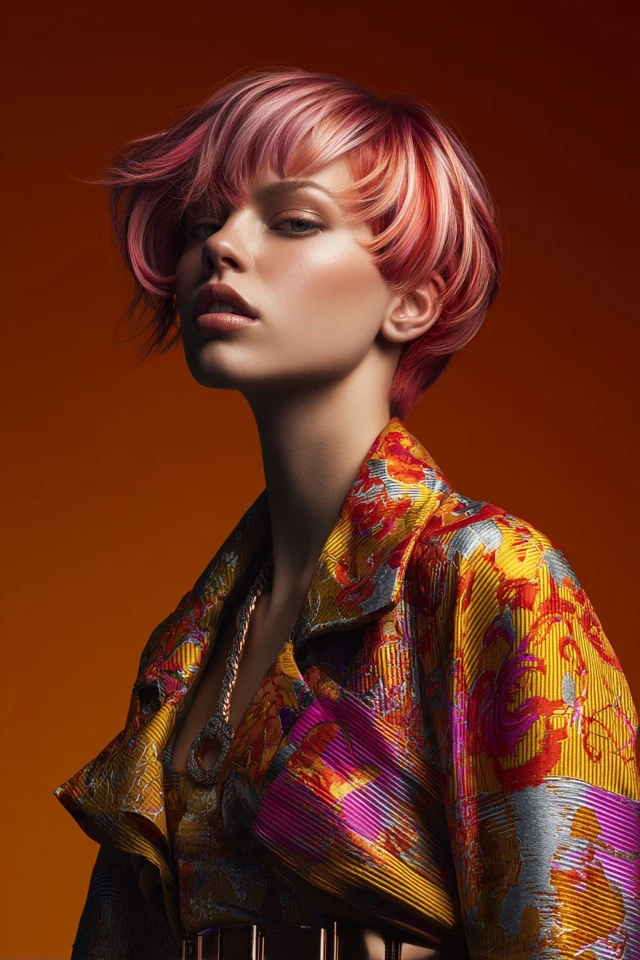
Which shoulder length cut should you pick?
Blunt lob
A one-length lob holds the S-curve well because the ends are dense. Ask for a cut that skims the collarbone, then add waves with a medium barrel iron. If you like a cleaner finish, look at the one-length approach.
Shoulder length haircuts with layers
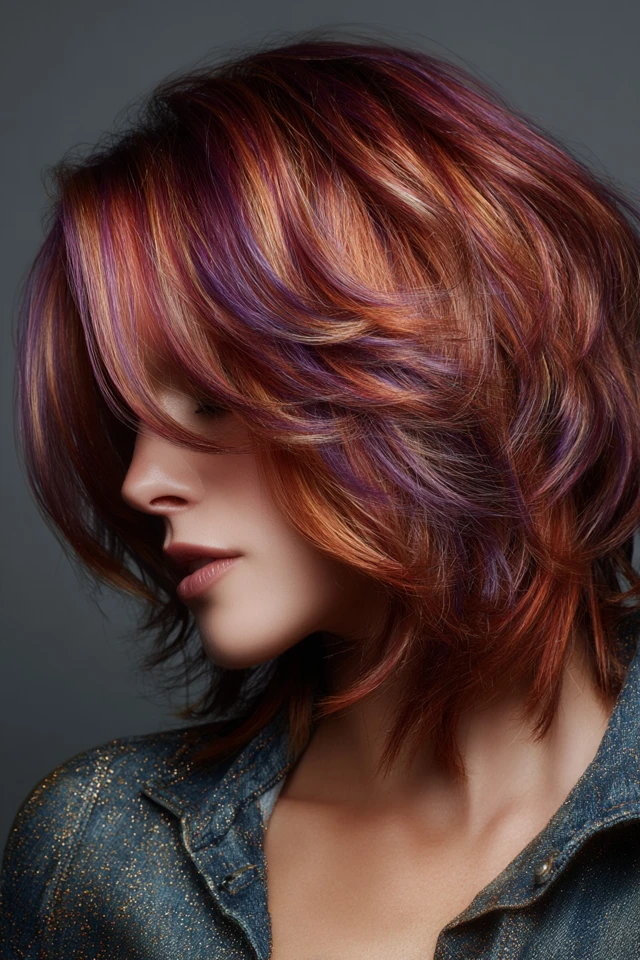
Soft layers add movement and make the curve easier to form. Keep the shortest layer at about chin level so the ends don't look wispy. For a more broken-up look, see choppy layers or layers built for fullness.
Shag and textured cuts
A shag has shorter, visible layers around the crown and face. It pairs naturally with waves and needs little styling. Our guides to the medium shag and textured cuts go into detail.
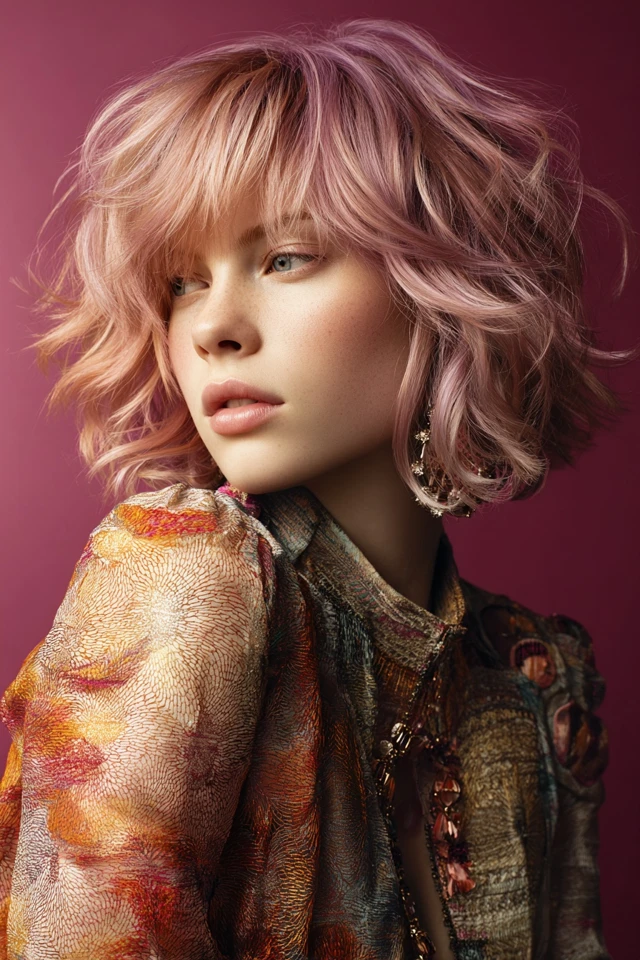
Shoulder length hair with curtain bangs
Curtain bangs part in the middle and sweep to each side, so they blend into the S-curve instead of cutting across it. They suit most face shapes because the longer ends frame the cheekbones. Ask for them to start at about brow level and taper to the cheekbone.
If you'd rather skip bangs, a center part with face-framing pieces gives a similar effect. There's more on that in the center-part guide. A deeper side part adds lift at the roots, covered in the deep-part guide.
Shoulder length haircuts for thin hair
Fine hair looks fuller when the ends stay dense. Choose a blunt or only lightly layered cut, and keep the length at or just above the shoulder, where thin hair tends to look thickest. Heavy layering removes the weight that makes the ends look full.
Waves help too. A curved line breaks up the flat outline that thin hair often has. Use a light mousse or texture spray rather than heavy creams, which can weigh fine strands down.
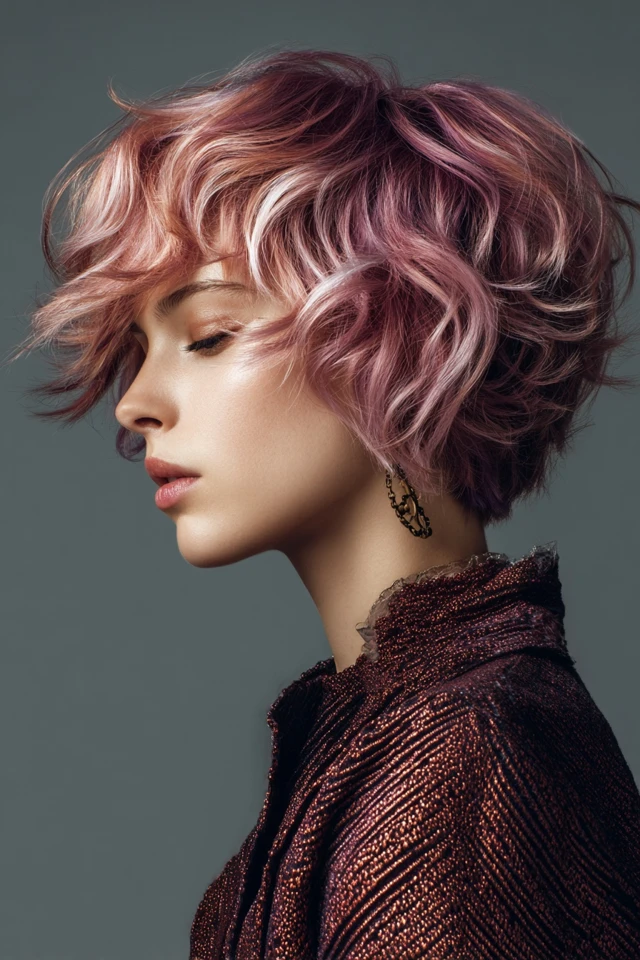
Shoulder length haircuts for straight hair
Straight hair shows every line of a cut, so precision matters. A blunt edge looks sharp and polished. If you want the S-curve, expect to set it with heat, and keep the heat moderate. The American Academy of Dermatology says flat irons should be used on dry hair on a low or medium heat setting, no more often than every other day, and the same logic applies to curling irons.
For a softer alternative, a feathered cut gives movement without much curl. See the feathered haircut or the swoopy version.
Easy shoulder length haircuts to maintain
The easiest cuts are the ones that look fine when air-dried. A lightly layered lob with a center part needs a few minutes of styling at most. Trim every 6-8 weeks if you want the shape crisp, a bit longer if you're growing it out.
Hair is delicate when wet, so the AAD advises a wide-tooth comb instead of a brush to detangle wet hair. For frizz, board-certified dermatologist Zoe D. Draelos, MD, says of leave-in conditioner: "You should see less frizz. Your hair should be easier to brush or comb, so you'll have less breakage."
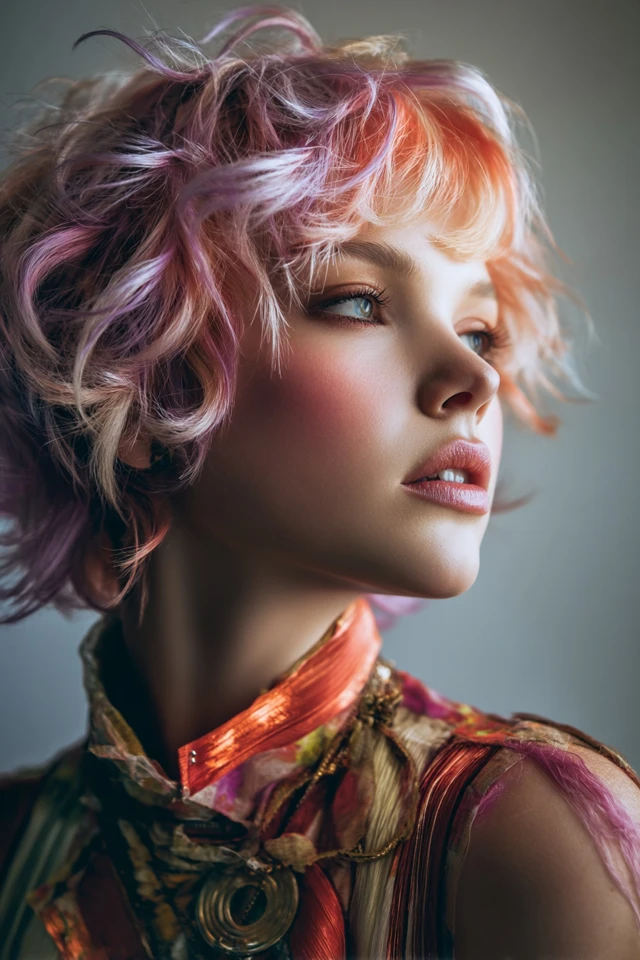
What to tell your stylist
- Say where you want the length to land: collarbone, or an inch above the shoulder.
- Ask for either a blunt edge or soft layers, and name the shortest layer you'd accept.
- Mention whether you want bangs, and how you part your hair.
- Be honest about daily styling time, so the cut works with your routine.
Bringing two or three photos helps more than any description, but pick ones with hair similar to yours in thickness and texture.
Frequently asked questions
Does shoulder length hair make you look older or younger?
Length alone doesn't decide it. Shape matters more: soft layers and movement usually read as fresher, while a heavy, flat one-length cut can look severe. Choose the cut that suits your hair texture.
What is the most flattering haircut for an older woman?
A lightly layered lob with soft face-framing pieces suits many people because it adds movement without much upkeep. Thinner hair often looks fuller with a blunt edge. Your stylist can adjust it to your texture and face shape.
Can an S-curve work on fine or thin hair?
Yes. Keep the ends blunt and the layers minimal so the hair looks dense, then add loose waves for body.
Filed under Haircuts