Short Haircuts for Women: Styles by Hair Type and Upkeep
- Words by
- Julio Arco
- Published
- Reading
- 6 min
The best short haircut for you depends on three things: your hair's texture, how fine or thick it is, and how many minutes you want to spend styling it each morning. Pixies and cropped cuts suit people who want minimal daily work, bobs suit straight to wavy hair, and soft layers add movement when hair is fine.
Below are the main families of short and medium-short cuts, who each one suits, and what to ask your hairdresser for. This post started as a soft, wavy medium cut, so waves get special attention.
Pixie cuts and very short haircuts for women
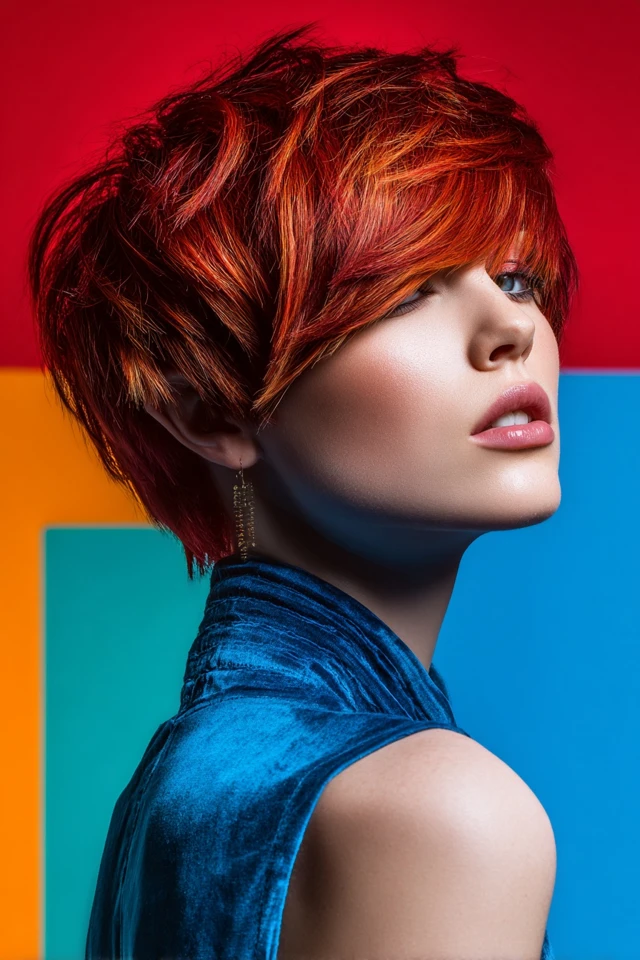
A pixie is cut close at the sides and back, with more length on top. It is the shortest everyday option, and it puts all the attention on your cheekbones, eyes and neckline.
If you are considering very short haircuts for women, a few points help:
- Ask for length on top that you can push to the side or lift with your fingers. It keeps the cut from looking flat.
- Expect a trim every four to six weeks to hold the shape. That is a common salon rhythm, not a rule.
- Soft, tapered edges around the ears read gentler than a hard clipper line.
Through the lens of evidence-based design, I'd treat the neckline as the first thing the eye reads with a pixie. A scoop or V neckline continues the open line the haircut creates, while a high collar can make the whole look feel compressed.
Which bob suits you?
The bob is the most flexible short cut, because the length, the angle and the ends can all change.
Blunt bob
A single straight line at the jaw or chin. It makes fine hair look denser, since the ends stay thick instead of thinning out. It needs regular trims to keep the edge crisp.
French-style bob
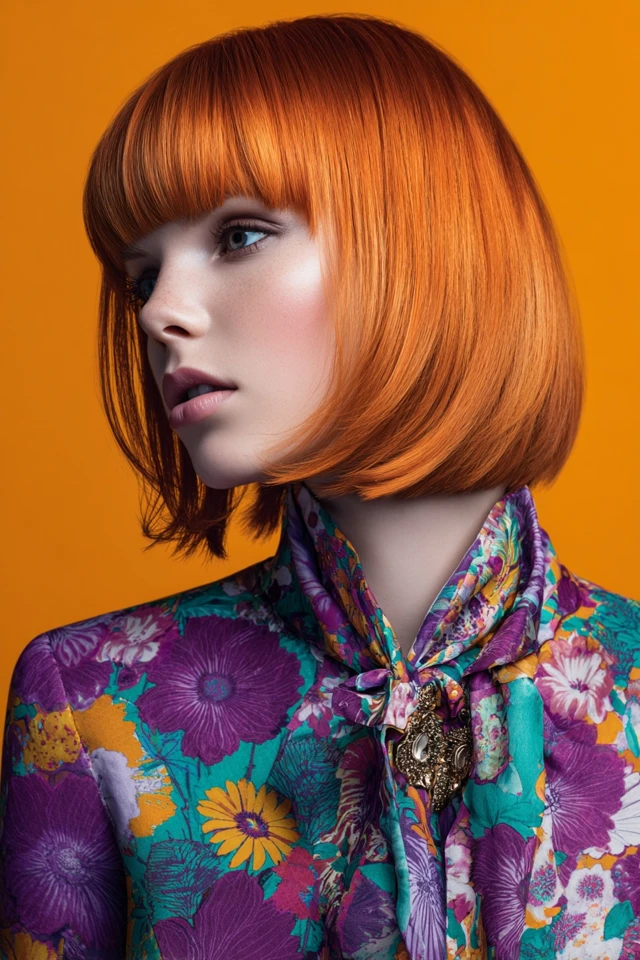
Usually chin length or a little shorter, often paired with a fringe. It works well on straight or slightly wavy hair and looks best when it is a little undone.
Soft or angled bob
Slightly longer in front, with softened ends. It is forgiving if you are growing out a longer cut, because the shape still looks intentional between appointments.
Short haircuts for thin hair
Fine hair usually looks fuller with a cut that keeps weight at the ends. A blunt bob or a chin-length cut with light, subtle layers is a safe start. Heavy thinning or razored layers can make fine ends look wispy.
Texture matters here. A matte, dry finish makes hair look thicker, while very glossy products can clump fine strands together. If you notice sudden thinning, check with a dermatologist rather than trying to fix it with a haircut.
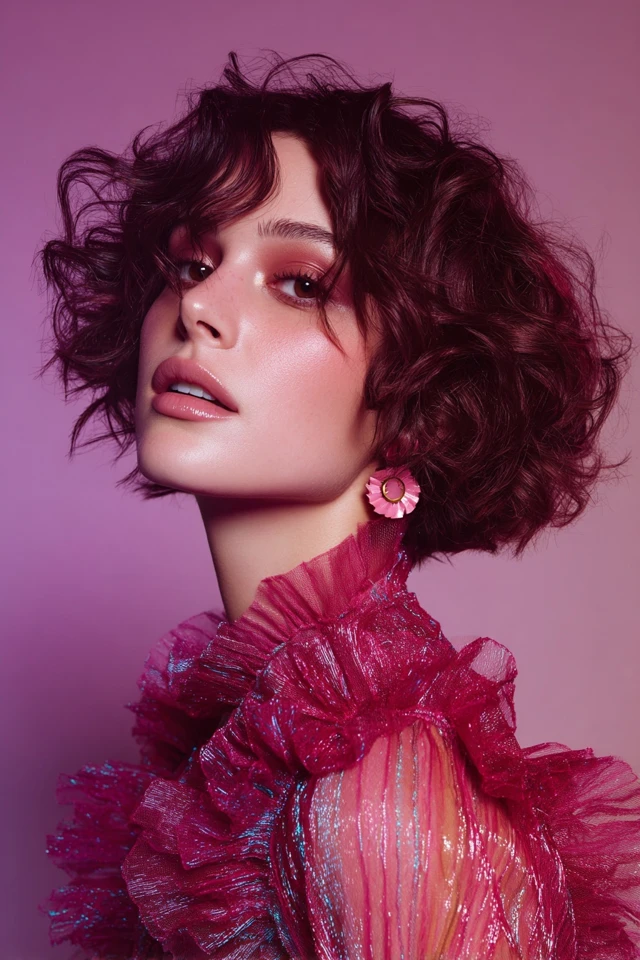
Short layered haircuts easy to style
Layers are what make a short cut move. Short layered haircuts easy to style tend to have long, blended layers rather than sharp steps, so the hair falls into place after a quick rough-dry.
- Ask for layers that start around the cheekbone or jaw.
- Choose a cut that works with your natural part so you are not fighting it daily.
- If you like a tousled finish, a light texturizing spray or cream is usually enough.
Heat styling is where hair gets damaged. The American Academy of Dermatology says flat irons should be used on dry hair on a low or medium heat setting, no more often than every other day. A cut that dries well on its own saves your hair that stress.
Short haircuts that require little upkeep
Short haircuts that require little upkeep share a few traits: a shape that suits your natural texture, no hard geometric lines, and ends that look fine as they grow.
- A tousled pixie or cropped cut that you style with your fingers.
- A chin-length bob with soft ends, which can air-dry.
- A wavy lob or collarbone cut that works with your wave pattern instead of straightening it.
Detangling is gentler with the right tool. The AAD notes that hair is delicate when it is wet, so use a wide-tooth comb instead of a brush to detangle wet hair.
Medium short hairstyles and soft waves
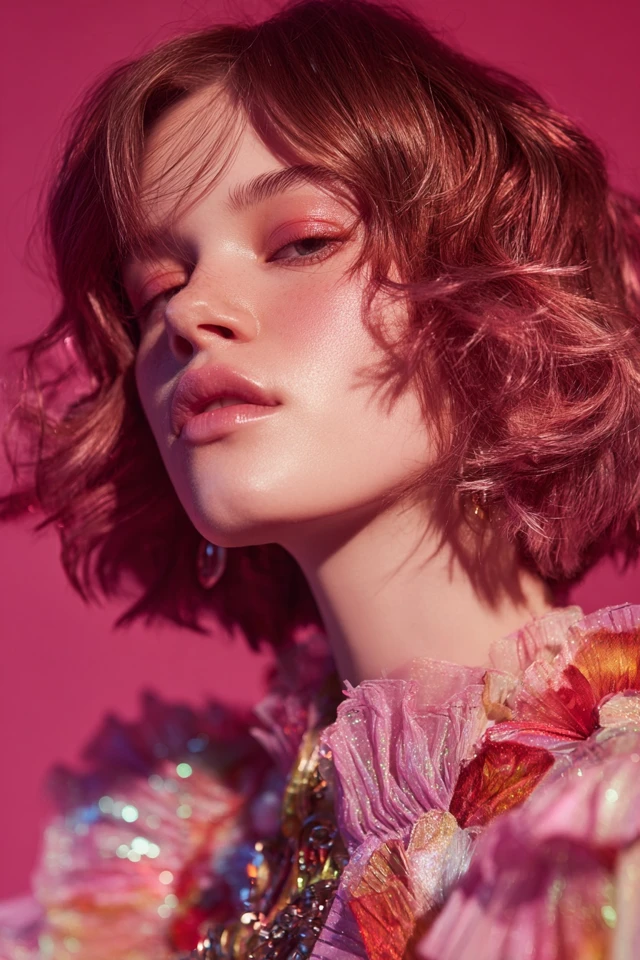
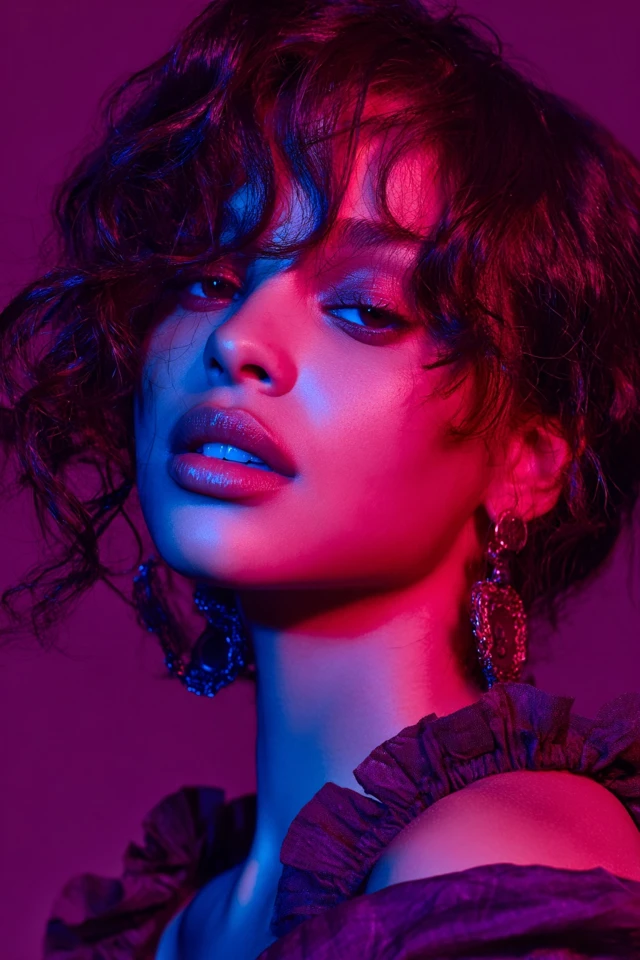
Medium short hairstyles sit between the chin and the shoulders. They give you the ease of a short cut with enough length for a ponytail or a half-up style. Waves are especially flattering at this length, because the bend adds volume at the sides without extra work.
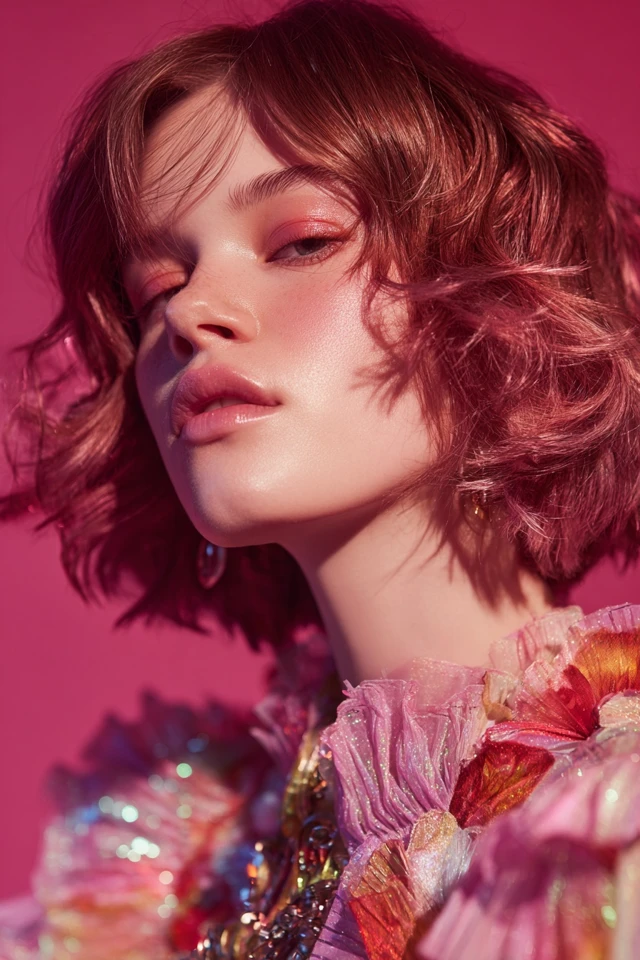
For wavy hair, ask for a cut shaped while the hair is dry or at least checked dry, so the stylist sees where your waves actually fall. Then pick a finish that fits your day: air-dry with a light leave-in for a relaxed look, or loose, brushed-out curls for something more polished.
Dermatologist Zoe D. Draelos, MD, FAAD, says of leave-in conditioner: "You should see less frizz. Your hair should be easier to brush or comb, so you'll have less breakage."
If you want to compare lengths, these pages cover neighbors of this cut: a short beachy wavy cut, a shoulder-length wavy cut and a collarbone-length wavy cut. For more movement without losing length, see medium choppy layers.
How to choose by face shape and part
Face shape guidance is a starting point, not a verdict. A few easy pairings:
- Round faces: a cut longer in front with some height on top lengthens the look.
- Square faces: soft waves and side-swept pieces round the jaw.
- Long faces: chin-length cuts with a fringe or volume at the sides add width.
Your part also changes the mood. A center part reads calm and symmetrical, while a deep side part adds lift at the crown.
Styling short hair for a soft glam finish
Soft glam is about movement and shine, not stiffness. Dry hair mostly smooth, then add loose waves with a medium-heat tool, following the heat guidance above. Brush the waves out with your fingers and finish with a light mist.
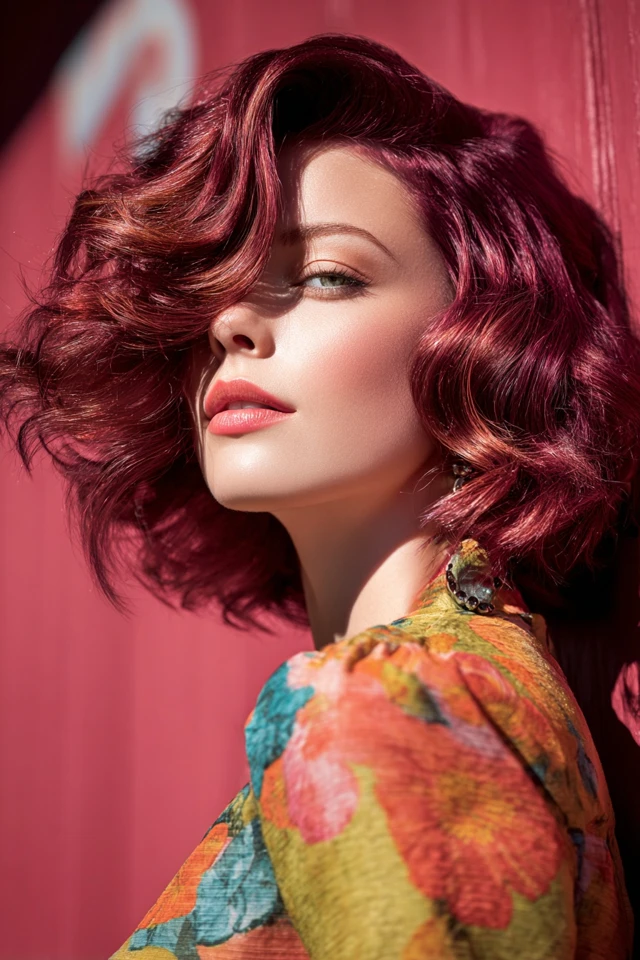
The same principle applies to what you wear. Texture changes how a color reads, so a matte knit and a satin top in the same blush will not look the same beside waves. Through the lens of evidence-based design, I'd pick the softer weave when your hair already has shine and movement, so the two do not compete. Cream, camel and soft rose sit well beside most hair colors, and a simple collar or neckline keeps attention on the cut.
Short hair has been a style choice for a long time. A Brigham Young University article notes that an 1883 Indianapolis journal reported on women cutting their hair short in the name of fashion.
Frequently asked questions
What is the best short haircut for seniors over 60?
A soft, chin-length bob or a tapered pixie with some length on top is a common choice, because both are easy to maintain and add fullness to fine hair. Ask your stylist to match the cut to your texture and your styling routine.
What is the most popular short haircut?
The bob and the pixie are the two short cuts people ask for most. The bob has more variations, from blunt to French to angled, so it suits a wider range of hair types.
How often should I trim a short haircut?
Pixies and blunt bobs usually look best with a trim every four to six weeks. Softer, layered cuts can often go a little longer before they lose their shape.
Can wavy hair work with a short cut?
Yes. Wavy hair adds natural volume to bobs and medium-short cuts. Ask for the cut to be checked with your hair dry, so the stylist can see where the waves fall.
Filed under Haircuts