Short Haircuts for Women: Cuts for Every Hair Type
This post sorts the main cuts by what they do, then covers thin hair, upkeep and a few care basics. The shoulder-length textured cut sits at the longer end of this range, so it gets its own section.
- Words by
- Julio Arco
- Published
- Reading
- 5 min
The best short haircut is the one that matches your hair's natural texture and the amount of styling you will really do. Pixies and cropped cuts suit people who want very little to think about. Bobs and textured layers give more room to change the look. Cuts that land between the chin and the shoulders, often called medium short hairstyles, are the easiest place to start if you are unsure.

Which short haircut suits which hair?
Start with texture, then think about face shape. A cut that works with your natural wave, curl or fineness needs less product and less time every morning.
- Straight, fine hair: blunt bobs and chin-length cuts make the ends look fuller.
- Wavy hair: layered bobs and shaggy cuts let the wave show without puffing out.
- Curly or coily hair: cropped shapes and rounded tapers follow the curl pattern, so the outline holds.
- Thick hair: internal layers remove bulk, so the cut sits closer to the head.
Bring two or three photos to the salon and say what you do with your hair on a normal weekday. A good cut starts from that conversation.
Pixie cuts and very short haircuts for women
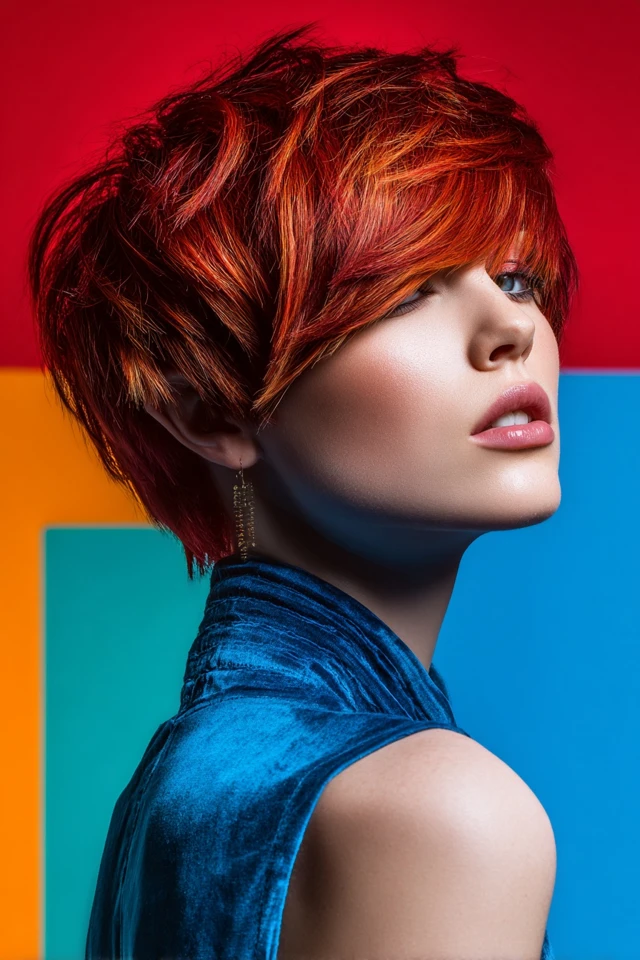
A pixie is cropped close at the sides and back, with more length on top. Very short haircuts for women put the focus on the face: the eye goes straight to cheekbones, jaw and neckline, so earrings and collars show up more.
Through the lens of evidence-based design, I'd treat the top length as the part that sets the mood. A few inches of soft, tousled length reads relaxed. A smooth, flat top reads sharper and more formal, even on the same sides and back.
Pixies need a trim about every 4 to 6 weeks to hold their shape. That is a common salon guideline, so ask your stylist what suits your growth rate.
Bob variations
The bob is the most flexible short cut, and the differences are in the details.
- Blunt bob: one straight line at the jaw or chin. It looks crisp and works best on straight to slightly wavy hair.
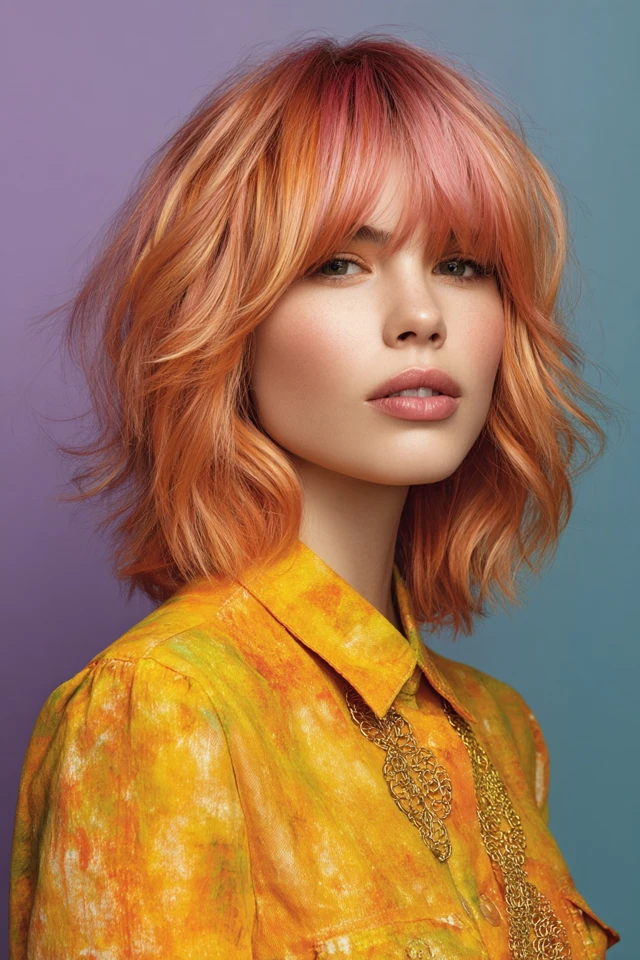
- French bob: usually chin-length or a little shorter, often with a fringe and some softness at the ends.
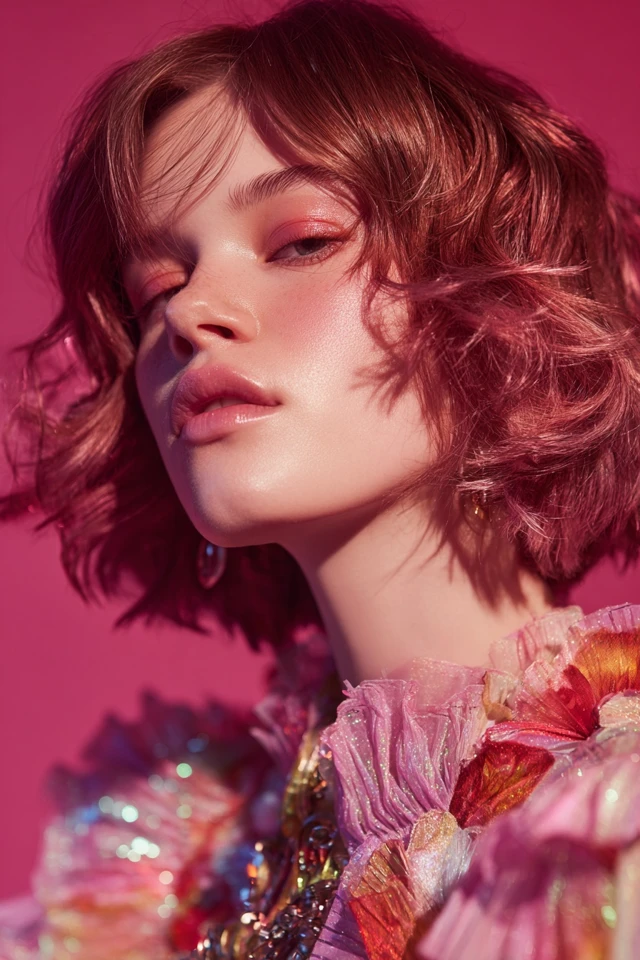
- Layered or textured bob: shorter pieces inside break up the weight, which gives movement and hides regrowth better.
- Angled bob: a little longer at the front than the back, which draws the eye down toward the jaw.
If your hair is fine, keep the length at the chin or slightly above. Weight at the ends makes thin hair look denser.
Short layered haircuts that are easy to style
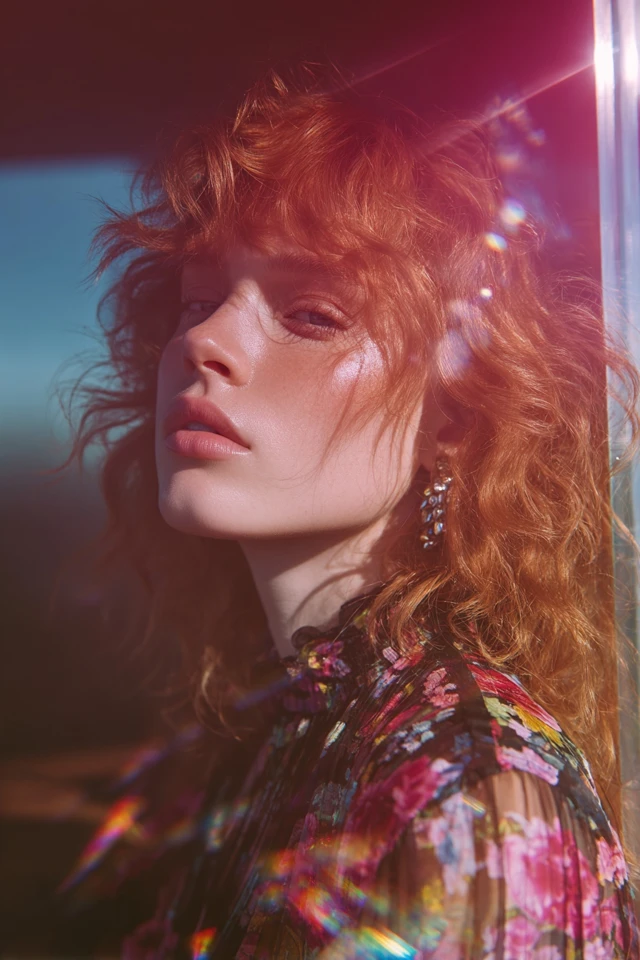
Short layered haircuts easy to style share one trait: the layers are cut to follow how your hair already falls. Long, choppy layers on straight hair can look flat. The same layers on wavy hair look deliberate.
For a simple routine, towel-dry, work in a light cream or mousse, and let the hair dry mostly on its own. Finish with fingers instead of a brush. If you use a flat iron, the American Academy of Dermatology says to use it on dry hair at a low or medium heat setting, no more often than every other day.
Short haircuts for thin hair
Short haircuts for thin hair work best with a few simple rules. Keep the perimeter blunt or close to it, because a hard edge reads as thickness. Choose light layers over heavy, deeply thinned ones, which can leave the ends see-through. A side part with a little lift at the root also adds visual body.
Fringes can make a small amount of hair look fuller at the front, but they need regular trims. Ask for a soft, wispy fringe if you want something that grows out gently.
Short haircuts that require little upkeep
Short haircuts that require little upkeep tend to be the ones cut with your texture, not against it. A tapered pixie, a wavy layered bob and a curly crop all dry into shape without much help.
Some care habits matter more than the cut. The AAD advises using a wide-tooth comb instead of a brush on wet hair, because hair is delicate when wet. The same page says that if your hair is dry, textured, curly or thick, you can shampoo when needed, at least once every 2 to 3 weeks.
A leave-in conditioner can help with frizz. Board-certified dermatologist Zoe D. Draelos, MD, FAAD, says in an AAD article on leave-in conditioner: "You should see less frizz. Your hair should be easier to brush or comb, so you'll have less breakage."
Where the shoulder-length textured cut fits
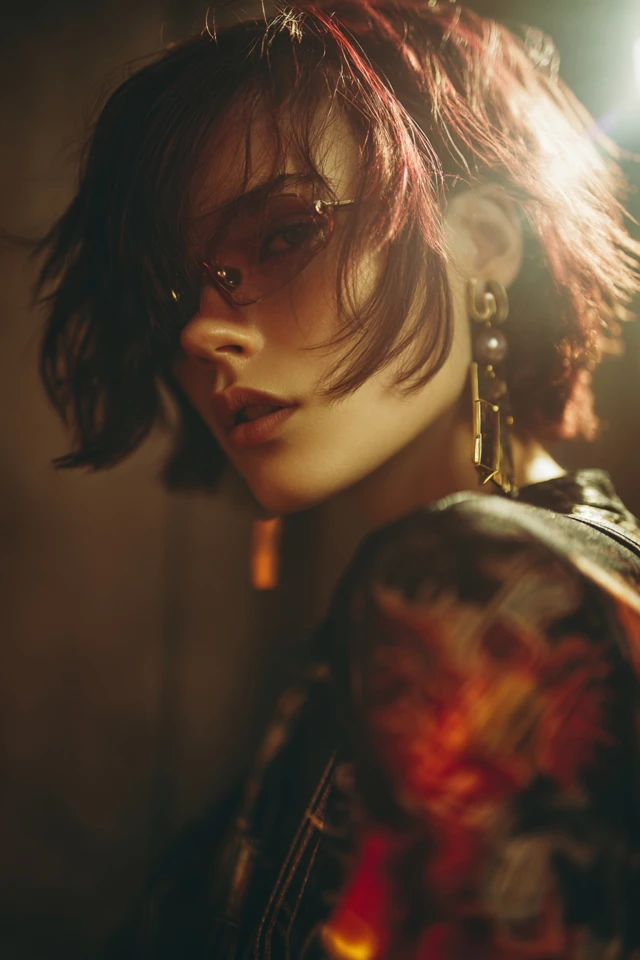
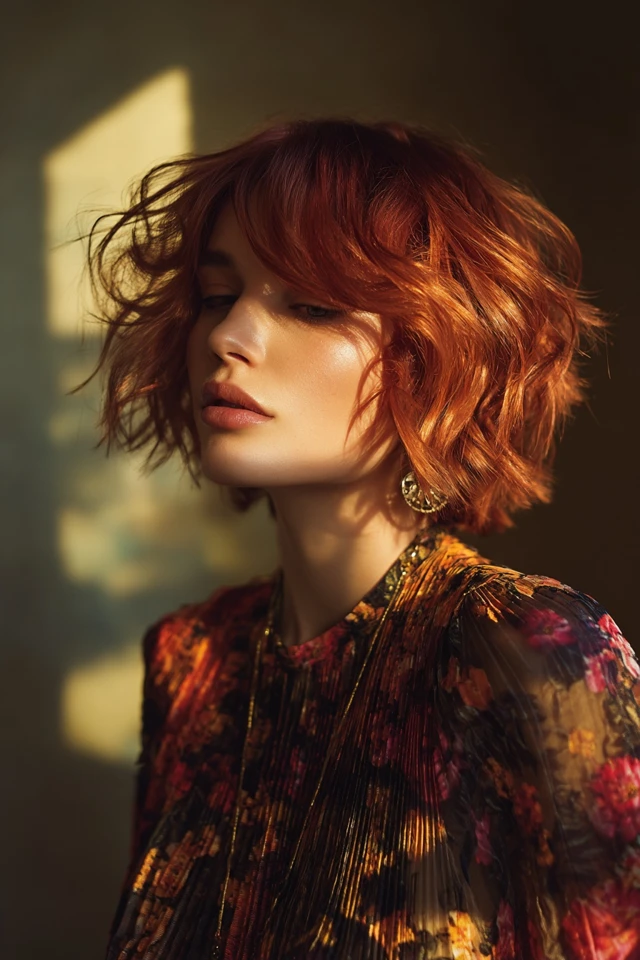
A shoulder-length textured haircut is the longest option here, and it is a good bridge if you are not ready to go shorter. Layers cut with a razor or point-cutting leave the ends uneven and soft, so the hair moves instead of hanging in one block.
As an architect trained in evidence-based design, I'd say texture changes how color reads. Broken, uneven ends scatter light, so a single hair color looks deeper and more varied than it does in a blunt cut. That is a perception effect, and it is one reason textured cuts look good in simple, solid-color hair.
If you like this length, these related cuts show how small changes alter the result: the collarbone-length textured haircut, the shoulder-length wavy haircut and the shoulder-length layered haircut with lift. For a smoother finish, look at the shoulder-length sleek haircut.
Ask for the cut by name
Salons use different words for similar cuts, so describe the outline and the texture as well as the name. Say where the shortest point should land (ear, jaw, chin), whether you want a fringe, and how much time you will spend styling each morning.
If you have extensions or a weave, the AAD suggests wearing them for 2 or 3 months at most. Plan a shorter cut around that timeline, and check with a dermatologist if you notice thinning or scalp discomfort.
Frequently asked questions
What is the best short haircut for seniors over 60?
A soft layered bob or a tapered pixie is a common choice, since both add shape without heavy styling. Pick the one that follows your natural texture, and ask your stylist about density at the crown.
What is the most popular short haircut?
The bob is usually named as the most popular short cut because it adapts to straight, wavy and curly hair. Pixies come next for people who want something shorter.
What are the most popular short haircuts right now?
Layered and textured bobs, French bobs with a fringe and soft pixies come up most often. Trends shift, so use them as a starting point and choose the cut that suits your hair.
Do short haircuts for thin hair need layers?
Light layers can add movement, but heavy layering can make thin hair look sparse. A blunt perimeter with a few soft layers inside is a safe middle ground.
Filed under Haircuts