
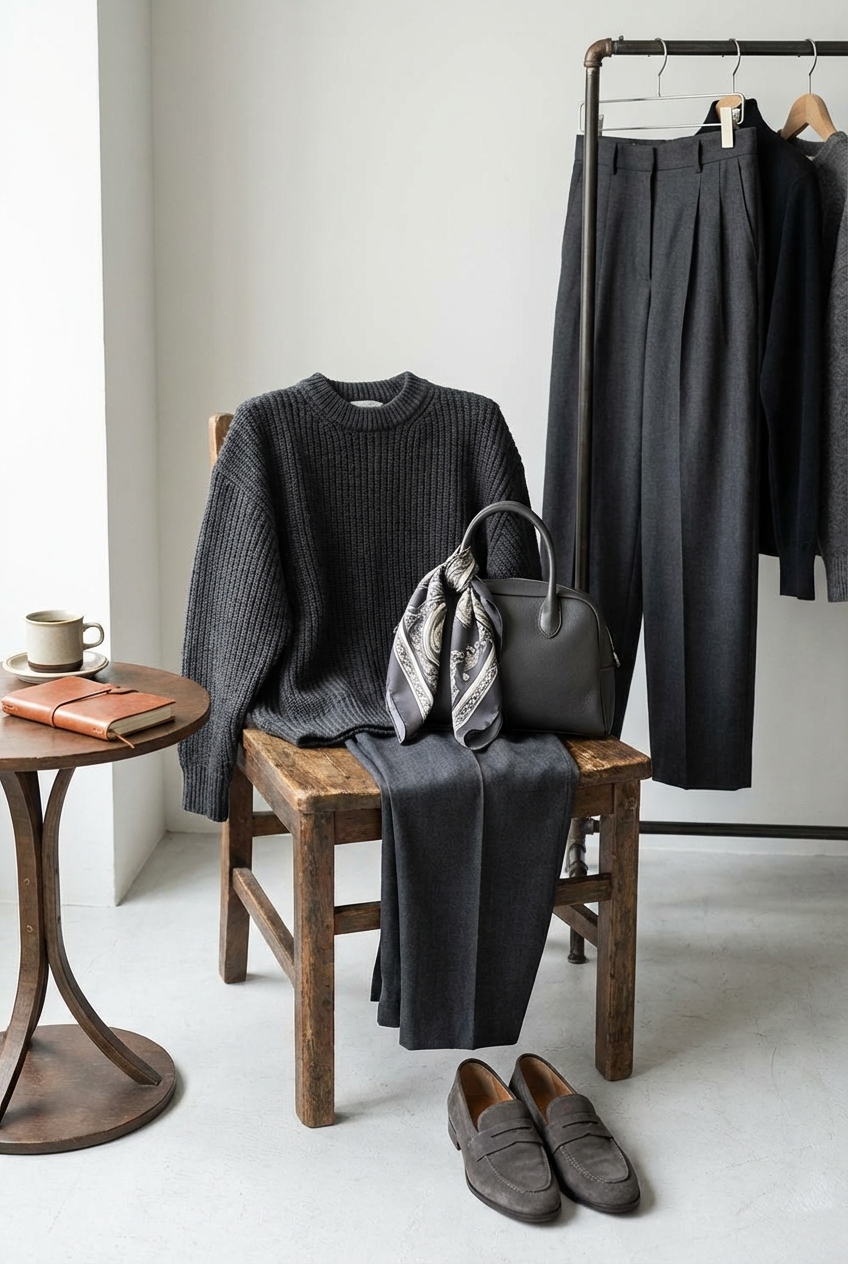
Monochromatic Outfit Ideas That Exude Elegance
Introduction
Monochromatic dressing is often misunderstood as simply wearing one color from head to toe. Many of my clients initially worry that dressing in a single hue will look like a uniform or, worse, a lack of imagination. However, when executed correctly, a monochromatic look is the epitome of high-fashion sophistication.
I remember a specific styling session with a client who was terrified of wearing all white. She felt it would wash her out or look too bridal for a corporate event. By layering different textures—a chunky cable knit sweater over a silk slip skirt—we created a look that had depth, movement, and undeniable elegance.
The secret lies not just in the color itself, but in how you manipulate fabric, fit, and proportion to create visual interest. If you are looking for visual inspiration, we have curated a stunning Picture Gallery at the end of this blog post with real-world examples to guide you.
Understanding Texture and Light Absorption
The absolute most important rule in monochromatic styling is texture variance. If you wear a cotton shirt with cotton trousers in the exact same shade, the look falls flat. It lacks dimension because light hits both surfaces the same way.
To achieve a high-end look, you must mix fabrics that reflect light with fabrics that absorb it. For example, silk and leather reflect light, while wool, suede, and cotton absorb it.
Designer’s Note: The Rule of Three
In my styling projects, I try to incorporate at least three different textures in a single monochromatic outfit. A winning formula I often use is:
- One “hard” or structured element (like leather or denim).
- One “soft” or plush element (like cashmere or angora).
- One “movement” element (like silk or rayon).
This contrast ensures that even if the colors are identical, the eye can distinguish where one piece ends and the other begins. It creates a rich, curated appearance rather than a matched set.
Mastering the All-Black Ensemble
Black is the safest entry point for monochrome, but it is also the easiest to get wrong. The danger with all-black outfits is that they can look severe or unintentionally gothic if the proportions aren’t managed well.
When I style an all-black look, I pay close attention to the “faded black” versus “true black” issue. Different fabrics hold black dye differently. A faded cotton tee paired with jet-black wool trousers will look sloppy.
Common Mistakes + Fixes
- Mistake: Wearing a black top and black bottoms that are slightly different shades due to washing/fading.
- Fix: Use texture to hide the shade difference. Pair washed black denim with a true black leather jacket. The difference in material makes the color variance intentional.
Silhouette plays a massive role here. Since color isn’t drawing the eye, the shape of the garment takes center stage.
Try pairing a voluminous black blouse with slim cigarette pants. Alternatively, style wide-leg trousers with a fitted bodysuit. The contrast in volume replaces the contrast in color.
Navigating Whites, Creams, and Beiges
The “rich mom” aesthetic is heavily reliant on oatmeal, cream, and beige tones. This palette screams luxury because it implies you don’t take public transportation (dirt is the enemy here).
The key to nailing neutrals is understanding undertones. Beige is not universal. Some beiges have pink undertones, while others lean yellow or grey.
What I’d Do in a Real Project:
When building a neutral monochromatic wardrobe for a client, I always start with the shoes.
- Select a nude shoe that matches the client’s skin tone or the dominant trouser color.
- Layer a warm cream sweater.
- Add a trench coat in a slightly darker camel shade.
Constraint Checklist: Practicality
If you are dressing for a rainy climate or have small children, strict white monochrome is risky. Opt for “latte” or “mushroom” tones instead. They offer the same elegance but hide minor stains much better than optic white.
Furthermore, always check transparency in natural lighting. White trousers often require nude, seamless undergarments. Never assume the fabric is thick enough until you have checked it in daylight.
Bold Colors: The Column of Color Strategy
Wearing a bold color like red, royal blue, or emerald green from head to toe is a power move. This technique is often called the “Column of Color” because it creates a long, unbroken vertical line that lengthens the body.
For petite women, this is my number one styling trick to add visual height. Without horizontal breaks at the waist, the eye travels up and down seamlessly.
Pro-Level Rule: The 10% Shift
You do not need to match your reds perfectly. In fact, it looks better if you don’t.
Aim for a 10-15% shift in shade between your garments.
Pair a burgundy blouse with bright cherry red trousers. Or style a forest green skirt with a lighter sage knit. This gradient effect feels organic and modern.
Measurements and Sizing
When wearing bold colors, tailoring is non-negotiable.
- Hemlines: Trousers should break exactly at the top of the shoe or hover 1/4 inch off the floor for wide legs.
- Sleeve length: Sleeves should hit the wrist bone. Any longer, and a bold color can look like it’s swallowing you.
The Grey Spectrum: From Silver to Charcoal
Grey is often overlooked, but it is incredibly versatile. It bridges the gap between the severity of black and the maintenance of white.
I love styling “groufits” (grey outfits) by mixing metallic elements. Grey serves as a perfect backdrop for silver hardware, zippers, and jewelry.
Designer’s Note: Lighting Matters
Grey changes drastically depending on the lighting. A cool, blue-toned grey can clash with a warm, taupe-grey.
Before leaving the house, check your outfit near a window. Ensure all your greys belong to the same temperature family (all cool or all warm).
For a modern office look, pair charcoal wool trousers with a heather grey cashmere sweater. Throw on a slate grey wool coat. The varying depths of grey convey authority and competence.
Accessories and Footwear Integration
Accessories can either cement the monochromatic theme or provide a gentle exit from it.
In high-end styling, we often use the “bookend” method if we aren’t going full monochrome with the shoes. This means your shoes match your hair color or your bag, providing balance.
However, for a true monochromatic look, I prefer the footwear to continue the leg line.
Shoe Selection Logic:
- Nude/Skin Tone: Use this when wearing skirts or dresses to elongate the leg.
- Matching Color: Use this with trousers. Red boots with red pants create an infinity-leg effect.
- Metallic: A neutral disruptor. Gold or silver shoes work with almost any monochrome look without breaking the palette harshly.
Jewelry Considerations
Don’t let your hardware clash. If you are wearing a warm tone like camel or rust, stick to gold jewelry.
If you are wearing cool tones like icy blue, grey, or black, silver or white gold usually looks sharper.
Finish & Styling Checklist
Before you walk out the door, run through this mental checklist. This is the exact process I use on set to ensure a look is camera-ready.
The “What I’d Do” Quality Check:
1. The Squint Test
Squint your eyes while looking in the mirror. Does the outfit turn into one big blob? If so, you need more texture. Add a belt or swap a matte item for a shiny one.
2. The Lint Check
For black or navy outfits, use a lint roller immediately before leaving. Dark monochrome highlights dust and pet hair more than patterns do.
3. The Shoe Gap
Check the interaction between your hemline and your shoe.
- Wide leg pants: Should cover most of the shoe.
- Cropped pants: Should show a clear intentional gap or meet the top of a boot shaft.
- Skinny pants: Should not bunch up at the ankle.
4. Hardware Harmony
Check that the zipper on your bag matches the buckle on your belt and your earrings. Mixed metals can work, but matched metals look more expensive.
FAQs
Can I wear monochromatic outfits if I am on a budget?
Absolutely. In fact, monochrome makes inexpensive clothes look more expensive. By sticking to one color family, you hide cheap tailoring or fabric flaws that contrasting colors might highlight. Focus on fit and keeping the clothes clean and pressed.
Does denim count in a monochromatic look?
Yes. Denim is a neutral in the fashion world. “Double denim” or the Canadian Tuxedo is a form of blue monochrome. To elevate it, pair a chambray shirt (lighter) with dark wash indigo jeans (darker). Add a navy blazer to finish the look.
How do I break up the color if I feel overwhelmed?
Show some skin. Rolling up your sleeves to the elbow or choosing a cropped pant that shows the ankle breaks up the block of color naturally. You can also use a belt in a matching tone but different texture (e.g., croc-embossed leather) to define the waist without breaking the palette.
What is the hardest color to pull off monochromatically?
Yellow and orange are notoriously difficult. They reflect light aggressively and can impact your skin tone. If you love these colors, anchor them with more muted versions, like mustard or burnt orange, rather than primary neon shades.
Conclusion
Monochromatic dressing is a testament to the power of restraint. It proves that you do not need loud prints or complex patterns to make a statement.
By focusing on texture, silhouette, and proper tailoring, you can turn a single color into a dynamic and elegant ensemble. Whether you choose the safety of all-black or the boldness of head-to-toe red, confidence is your best accessory.
Remember to experiment with fabrics. Let the light play off your outfit. And most importantly, wear the color; don’t let the color wear you.
Picture Gallery


