Monochrome Outfit Ideas: How to Dress in One Color
- Words by
- Julio Arco
- Published
- Reading
- 4 min
A monochrome outfit is built from one color family, worn in different shades and textures. The quick rule: keep the hue the same, then change the surface (knit, silk, denim, leather) and the tone (lighter and darker) so the look has depth instead of reading as one flat block.
That is the whole idea behind how to dress in monochrome. The rest of this post covers how to do it, which colors are easiest, and what to wear for the office, a casual day or a party.
What counts as a monochrome outfit?
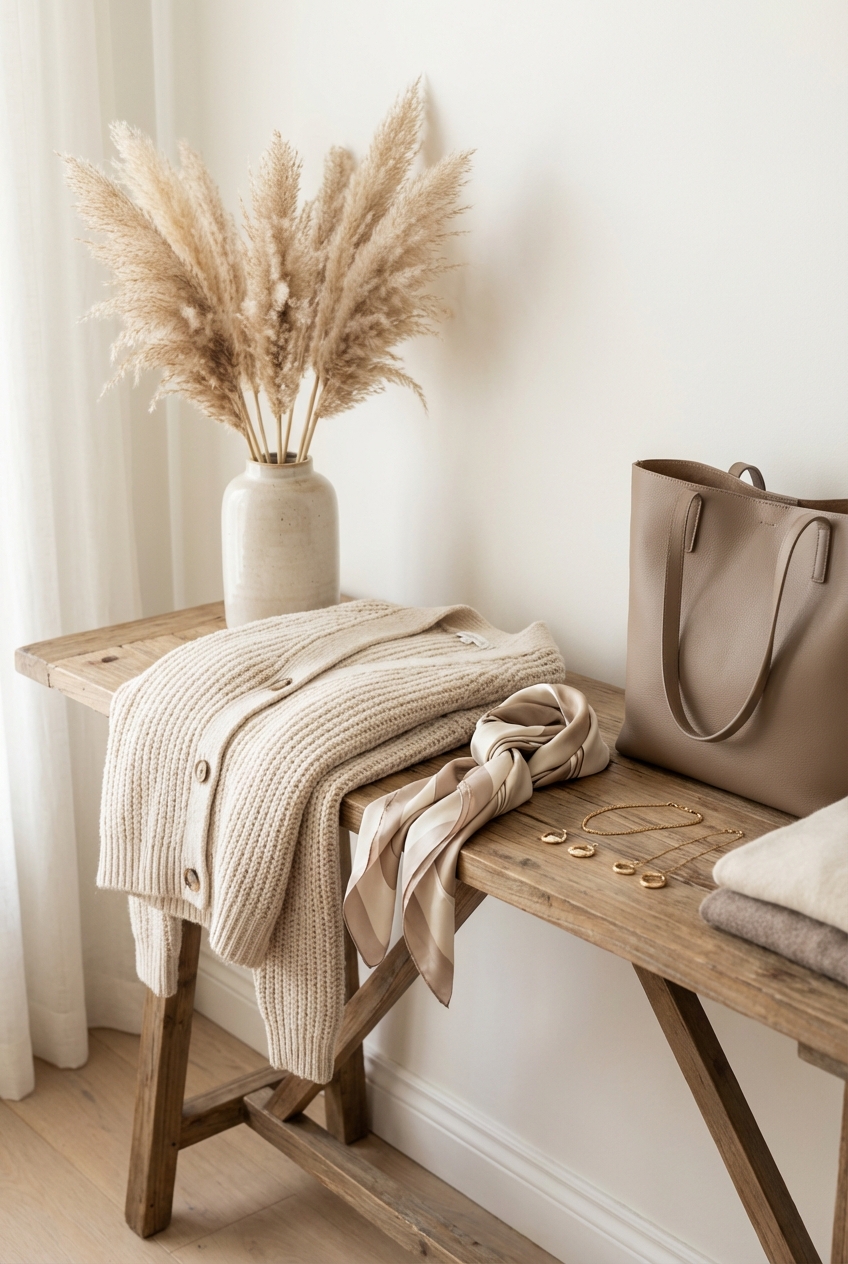
It does not have to be an exact color match from head to toe. A monochrome look uses one hue in several versions: cream with ivory and sand, or navy with sky blue and denim. Matching everything perfectly is harder than it sounds, and slightly different shades usually look more intentional than a near miss.
One practical benefit: with fewer color decisions, getting dressed is quicker, and pieces in the same family tend to work together. If you like building a wardrobe around this idea, see this capsule wardrobe for monochromatic looks.
How do you dress in monochrome?
Start with one color you already wear often. Then work through four adjustments.
Mix textures and fabrics
Through the lens of evidence-based design, I'd start with texture before color. A matte knit and a glossy satin in the same navy do not read as the same color, because the surface changes how light reaches your eye. Try a silk blouse with wool trousers, or a chunky sweater with a satin skirt.
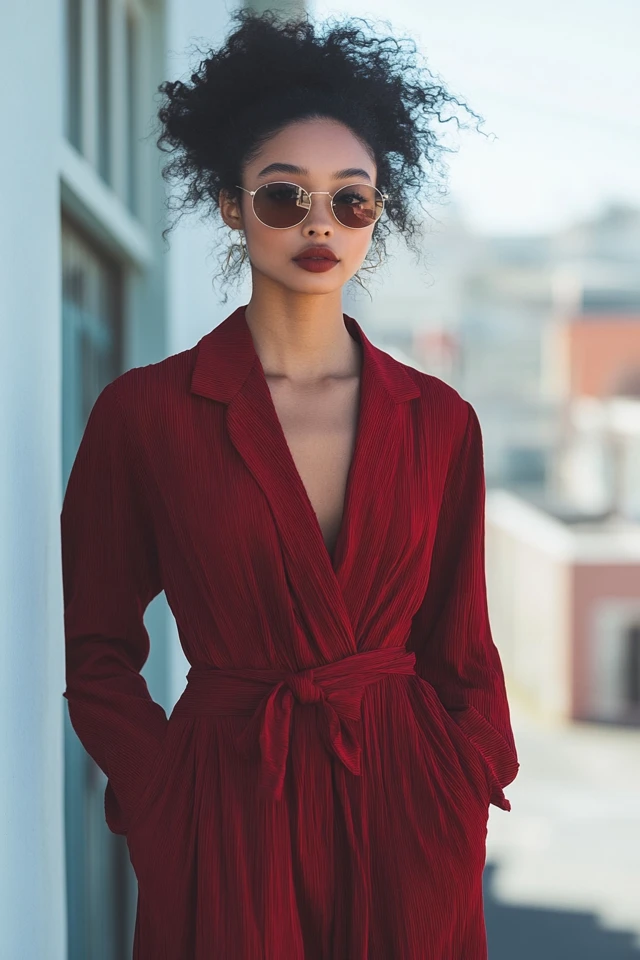
Use different shades of one color
Pair a lighter top with darker bottoms, or the reverse. Camel with chocolate, blush with deep rose, pale blue with navy. If you are unsure about a match, make the difference obvious rather than slight.
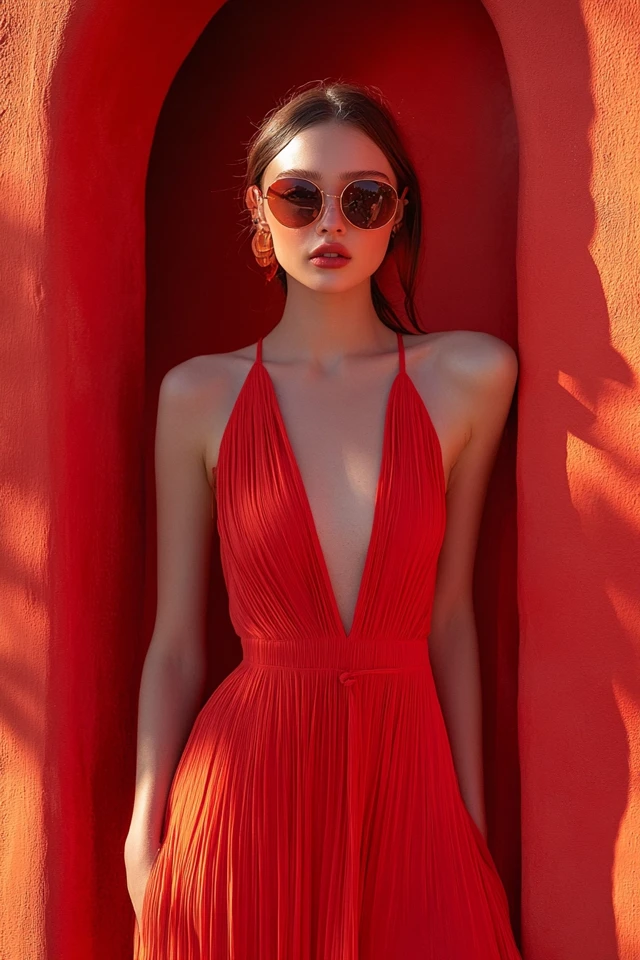
Play with proportions and layers
An unbroken column of color tends to make the body read as longer, since the eye travels up and down without a hard break. Balance a loose top with fitted trousers, or a fitted knit with wide legs. A jacket, cardigan or vest in a slightly different shade adds dimension.
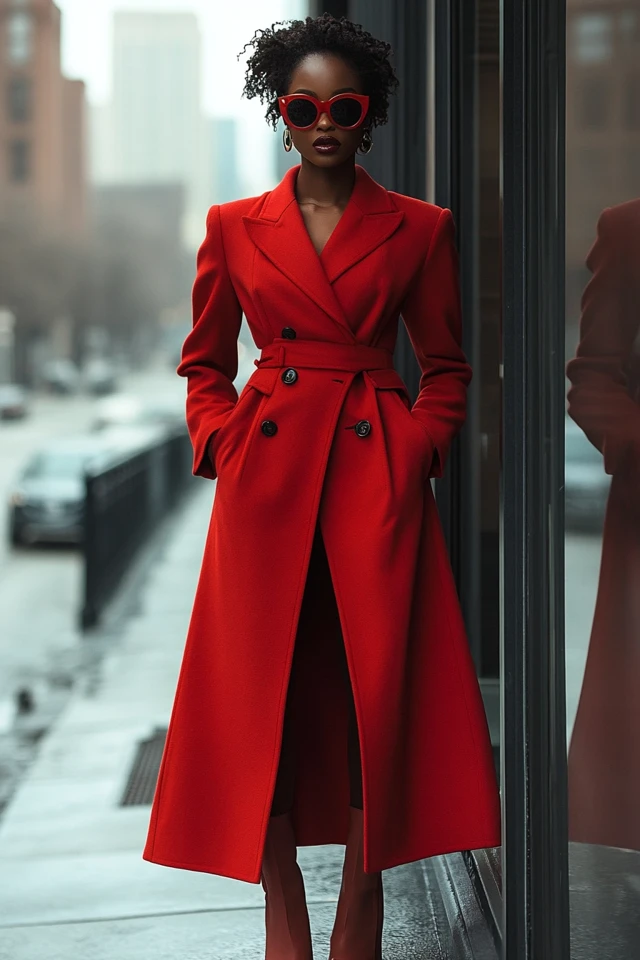
Finish with accessories
You have two options: shoes and a bag in the same family, or one neutral or metallic accent such as gold jewelry on beige, or silver on cool tones. Keep it to one or two accents so the color stays the focus.

Which color family is easiest to start with?
Neutrals are the most forgiving because small shade differences look natural.
- Black: mix leather, silk and knitwear so it does not look like one dark mass.
- White and cream: pair pure white with off-white deliberately, and check in daylight that the tones are not clashing.
- Beige and tan: gold accessories warm it up.
- Blue: denim makes an easy casual base, from chambray to navy jeans.
- Green: olive with a lighter sage gives contrast without effort.
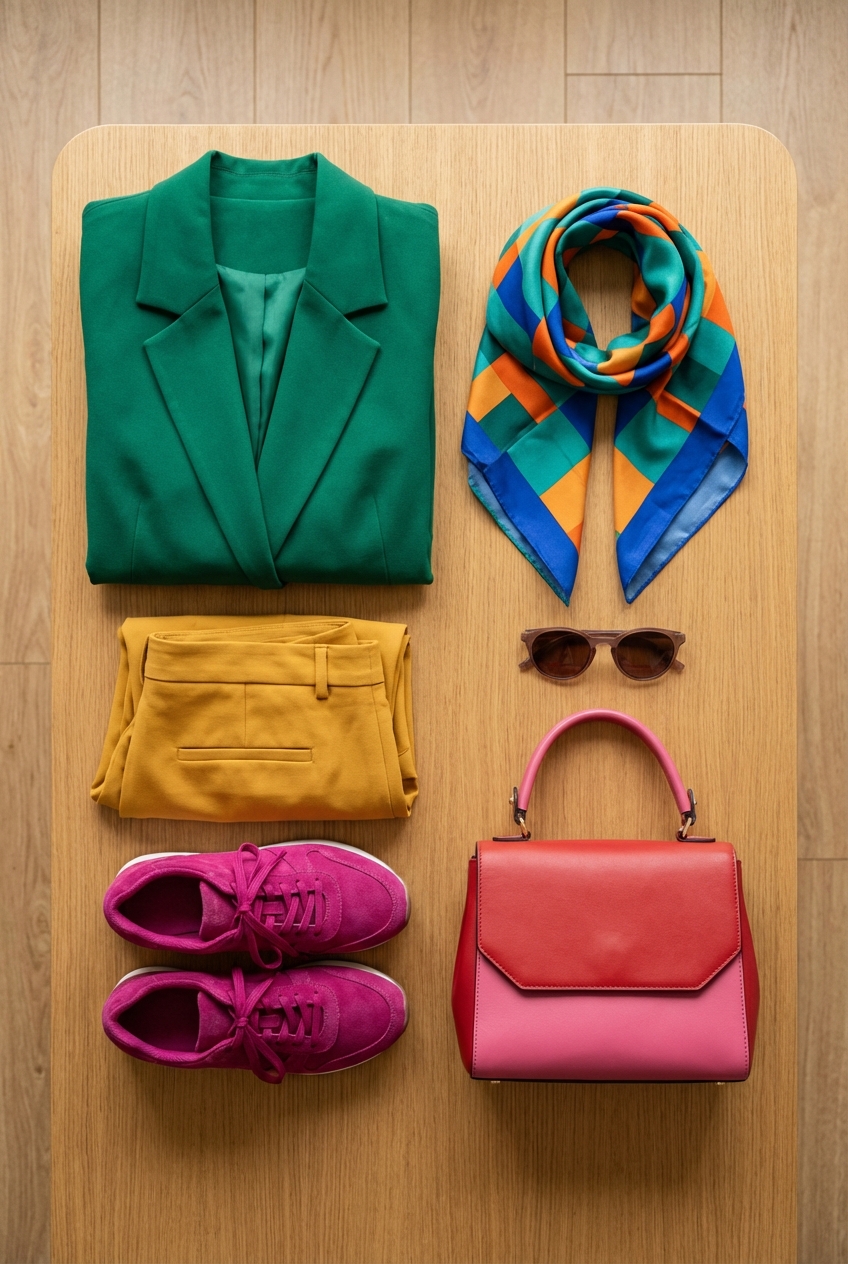
For bolder shades, see these bright monochrome styling tips. For quieter palettes, bold monochrome neutrals is a good place to look.
Monochrome outfits for the office
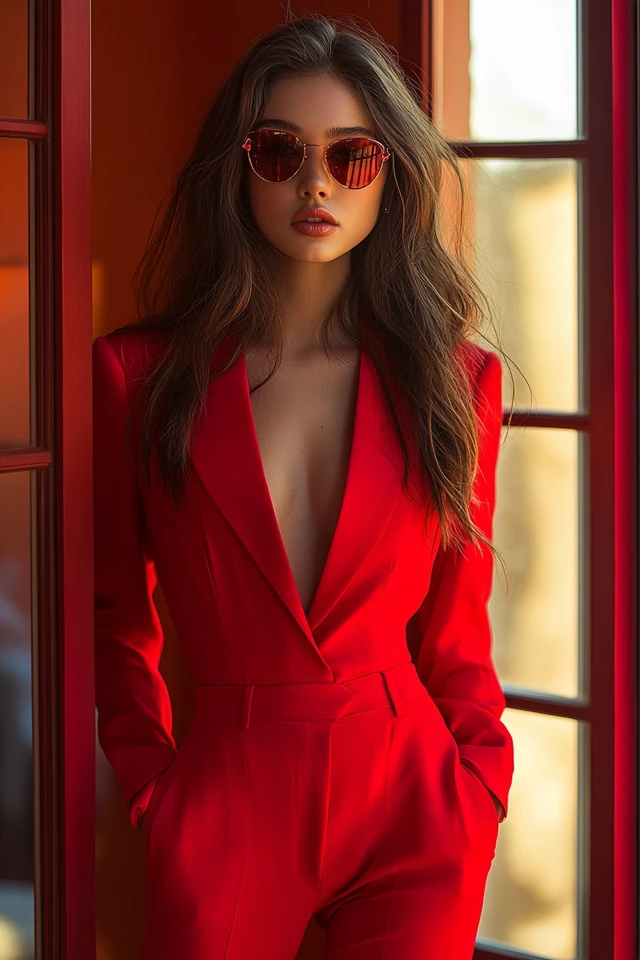
Navy, grey, black and camel are the safest choices. A tailored suit or a sheath dress in one color reads polished with little effort. Vary the fabric between the jacket and the top, and keep accessories minimal. A grey knit under a charcoal blazer is a simple example.
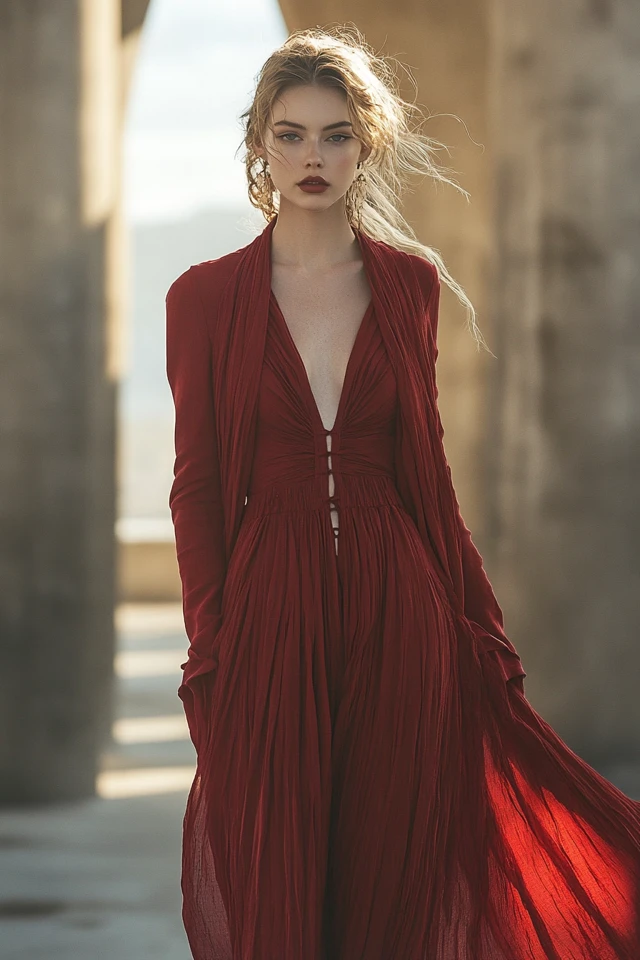
Casual monochromatic outfit ideas
For a casual monochromatic outfit, think comfort first: light blue chambray with navy jeans and blue loafers, or an oversized oatmeal sweater with tan trousers. Denim blues and earth tones are relaxed by nature. Sneakers in the same family keep it easy.
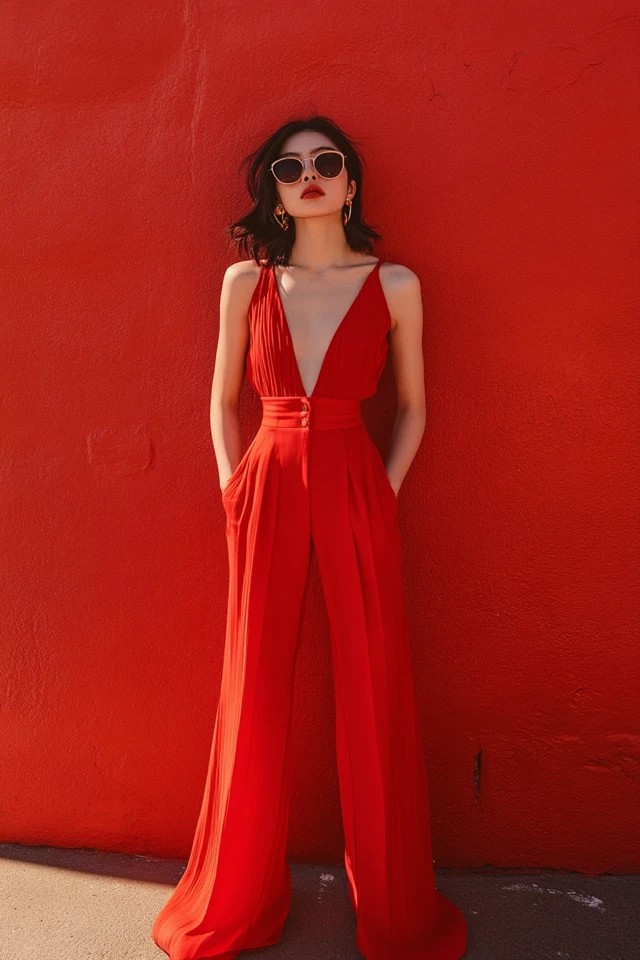
Monochrome outfits for a party or evening
Deep tones such as emerald, burgundy or sapphire suit evening wear, and a single-color gown or jumpsuit looks complete without much styling. Texture does the work here: velvet, satin or sequins. For a dressier version, monochrome outfits for museum galas shows how formal it can go, and sequin and denim looks are a lighter party option.
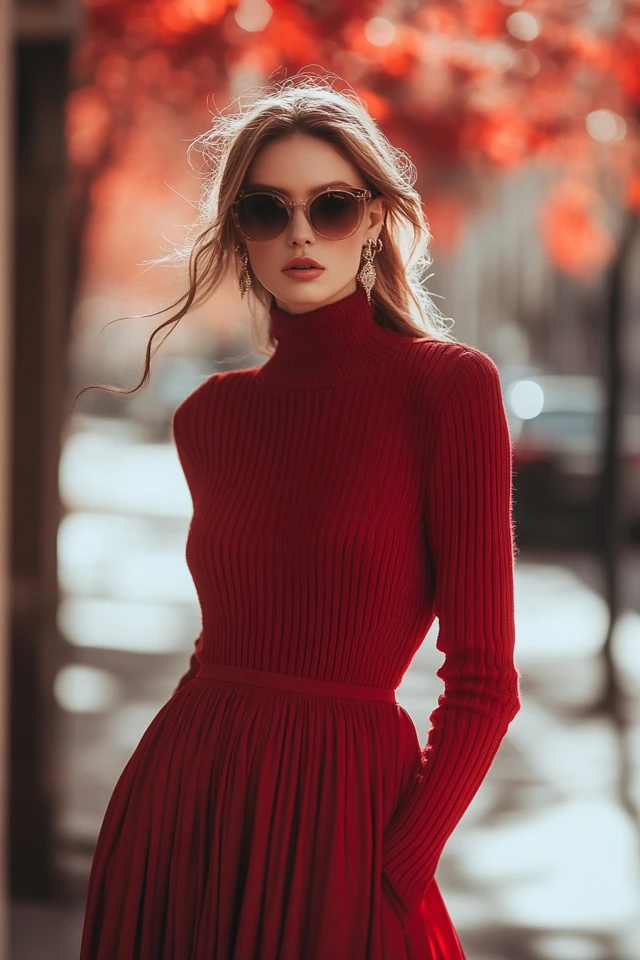
Outfit formulas to copy
- All black: turtleneck, high-waisted trousers, pointed-toe heels, a silver necklace.
- All white: linen blouse, wide-leg pants, nude sandals, gold bangles.
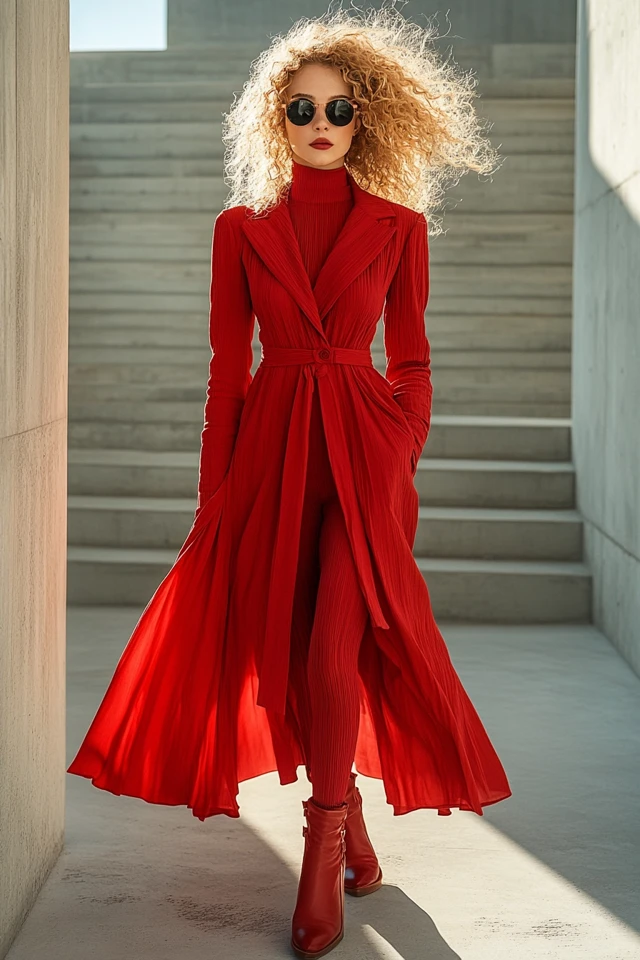
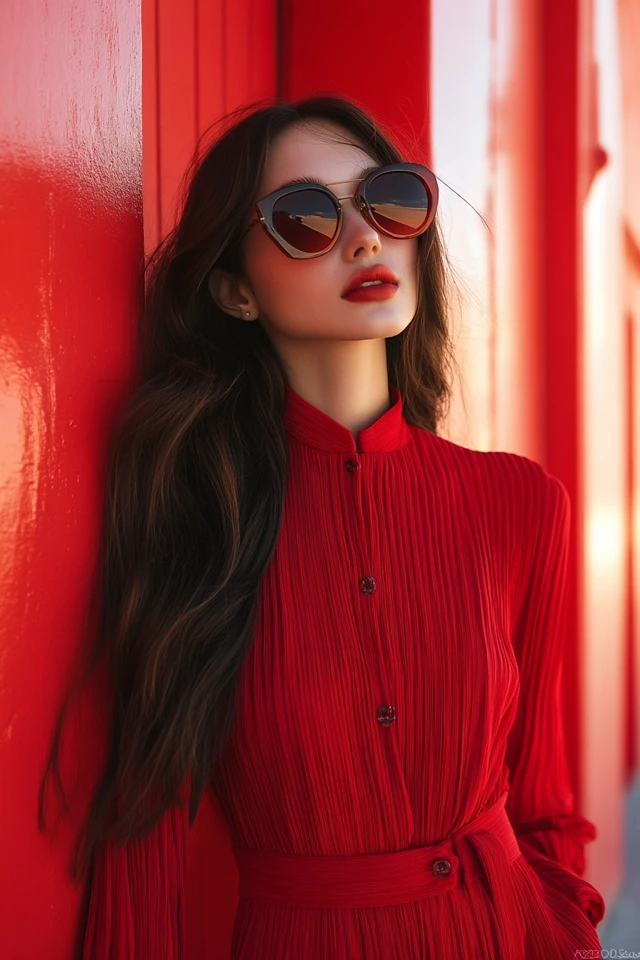
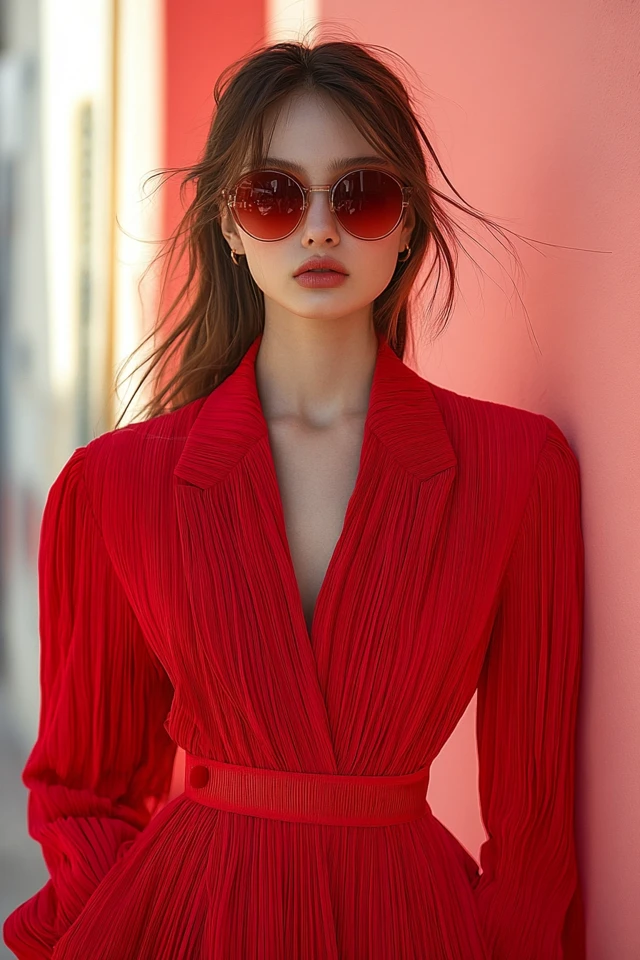
- Red family: crimson camisole, scarlet blazer, burgundy skirt, red suede pumps, small earrings.
- Lavender family: lavender blouse, lilac midi skirt, pale purple flats, a silver clutch.
For a skirt-led version, see this monochrome midi skirt palette.
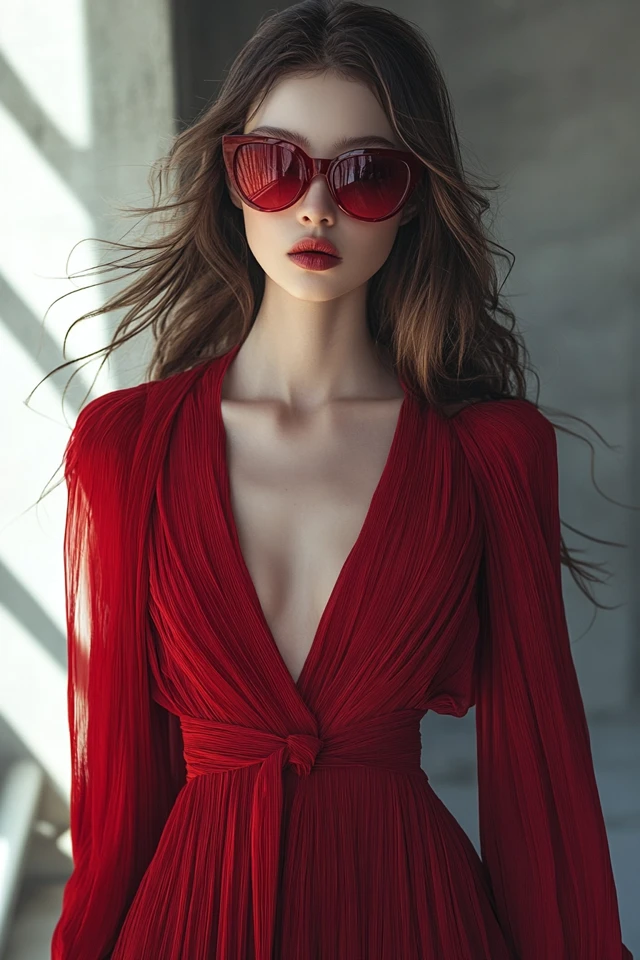
Can men and women wear monochrome the same way?
The method is the same. For monochrome outfit ideas for men, try an olive overshirt over an olive tee with tan chinos, or grey trousers with a charcoal knit. Women can use the same formulas with dresses and skirts. Fit matters more than the garment: check that shoulders sit at the shoulder seam and hems fall cleanly.
Patterns and seasons
Tone-on-tone patterns such as pinstripes, checks or a subtle print in the same family add interest without breaking the palette. In spring and summer, lean on light colors and breathable fabrics like linen and cotton. In fall and winter, choose richer hues and heavier materials like wool or velvet.
If a color looks washed out on you, add a layer in a deeper shade near your face, or change the neckline. That is usually a contrast issue, not a reason to skip the color.
Frequently asked questions
What is a monochrome dress code?
It asks guests to wear one color or one color family, often black and white or a single hue. When the invitation is vague, pick one family and vary the shades and textures.
What to wear to a monochrome party?
Choose one color and build depth with fabric: satin, velvet or sequins catch light differently. Keep accessories in the same family or in one metallic.
Can anyone wear monochrome outfits?
Yes. Adjust the fit and proportions to your frame, and choose a shade you like near your face.
Can I add patterns to a monochrome look?
Yes, as long as the pattern stays in the same color family. Stripes, checks and tonal prints work best.
Filed under Color Palettes