Pastel Color Combinations That Work Together
- Words by
- Julio Arco
- Published
- Reading
- 4 min
The pastels that go well together share two things: a similar lightness and a similar undertone. Pink with lilac, mint with baby blue, peach with soft yellow and lavender with pale grey all work on that rule, and each one looks best with a neutral to rest the eye.
Below are the pairings I'd start with, how to wear them as outfits and dresses, and a few fit-and-fabric details that make soft colors look deliberate instead of faded.
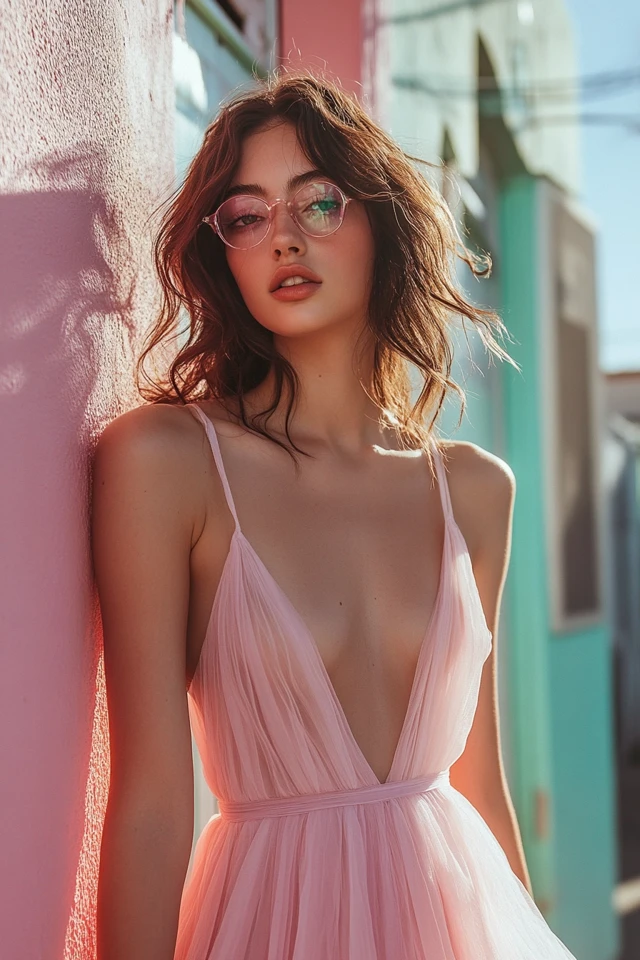
What pastel colors go well together?
A pastel is a tint: a color with white added. The University of Georgia's CAES Field Report explains that when white is added to a color it becomes lighter and is called a tint. Because every pastel carries that same dose of white, almost any two sit comfortably together. Some pairings just read better than others.
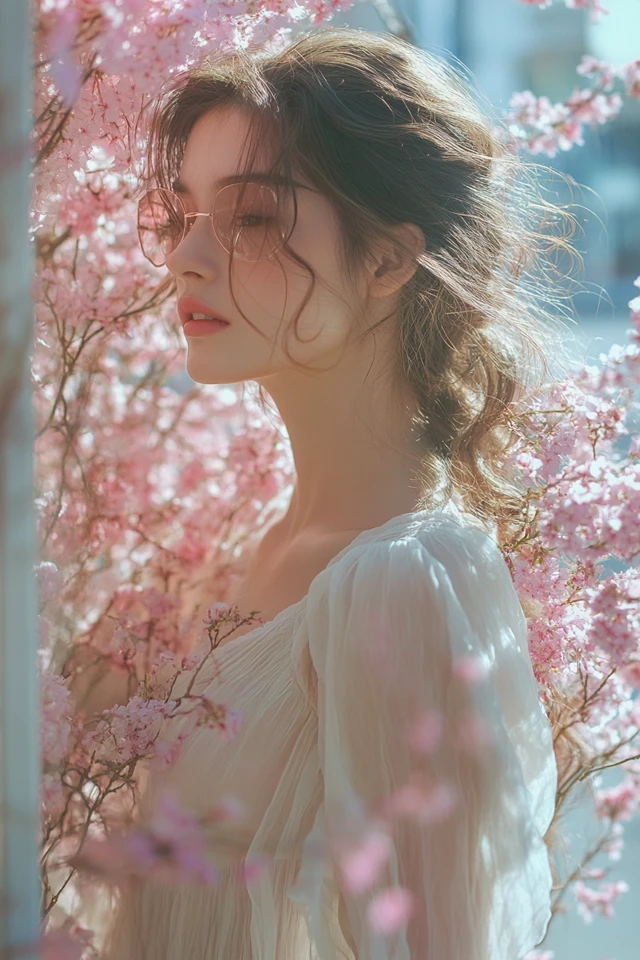
- Pastel pink and lilac: romantic, and the easiest place to begin.
- Mint and baby blue: fresh and calm.
- Peach and soft yellow: warm and cheerful.
- Lavender and pale grey: quiet and polished.
If you want two pastels only, pick neighbors on the color wheel. Three or more is fine too, as long as one leads and the others show up in smaller amounts.
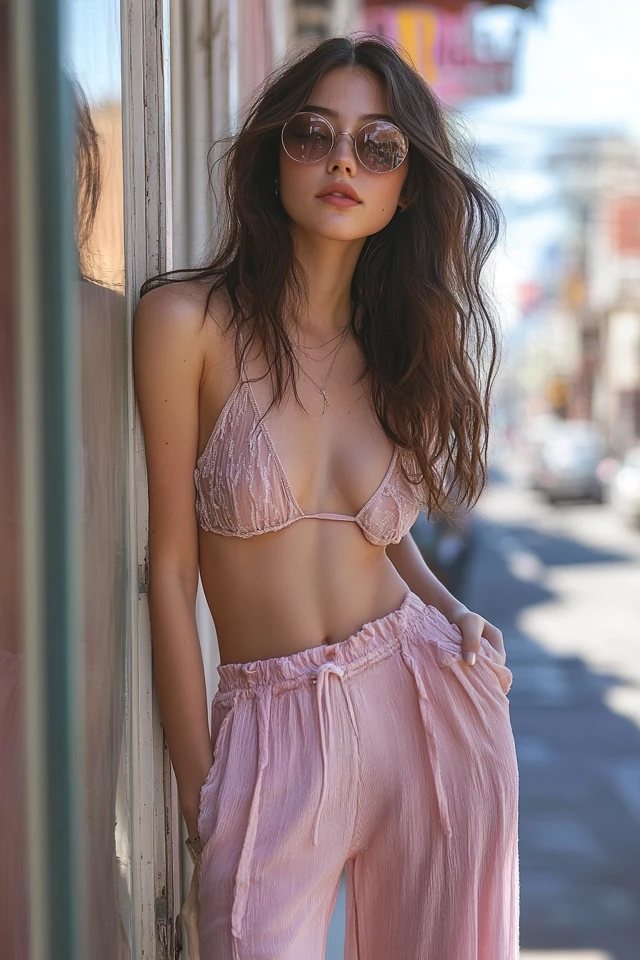
Pastel pink and mint green
These two sit opposite each other on the wheel, so they feel lively without being loud. Pink is warm and mint is cool, which is why the pair looks like spring candy rather than a nursery.
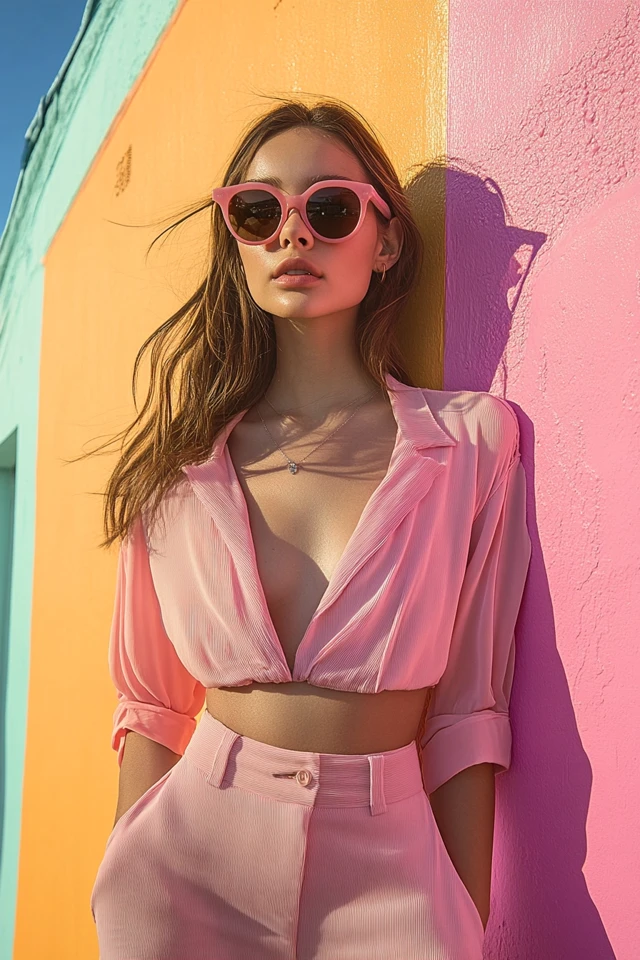
Keep the proportions uneven. A mint knit with a blush skirt, or a pink blouse with mint trousers, reads better than a 50/50 split. Add white or cream between them if the contrast feels busy.
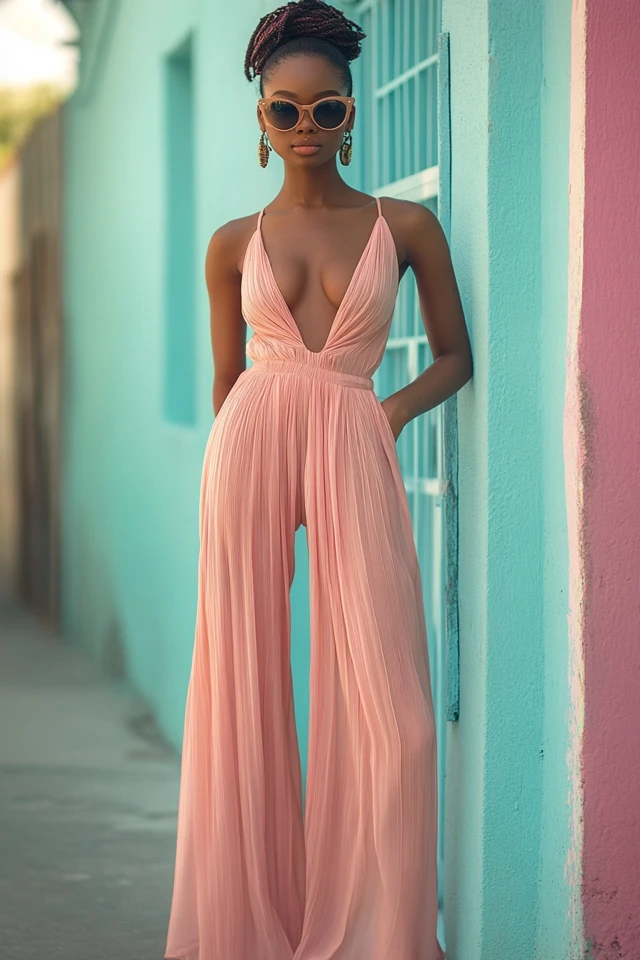
Pastel blue and lavender
Blue and lavender are close neighbors, so the combination looks calm and blended. The same CAES guide notes that green and blue are cool colors, usually associated with water, sky and forest, and evoke relaxed and calm feelings. Lavender leans slightly warmer, which keeps the pair from feeling cold.
Try a pale blue shirt under a lavender cardigan, or a lavender dress with a powder-blue bag. Both stay soft, so a light grey or white layer helps the outfit keep its shape.
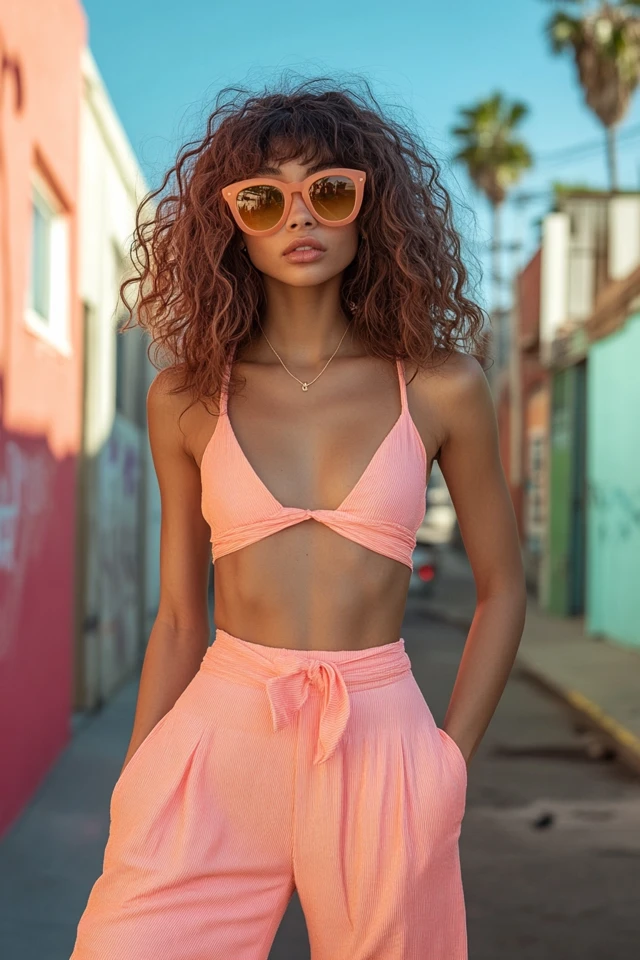
How to build pastel outfits
Choose a lead color
Start with one pastel for the largest piece, such as a dress, coat or trousers. Add the second pastel in a top, scarf or bag.
Match undertones
Stick to cool pastels together (blue, lilac, mint) or warm ones together (peach, butter yellow, coral pink). Mixing is possible, but do it with one small piece rather than half the outfit.
Use neutrals as anchors
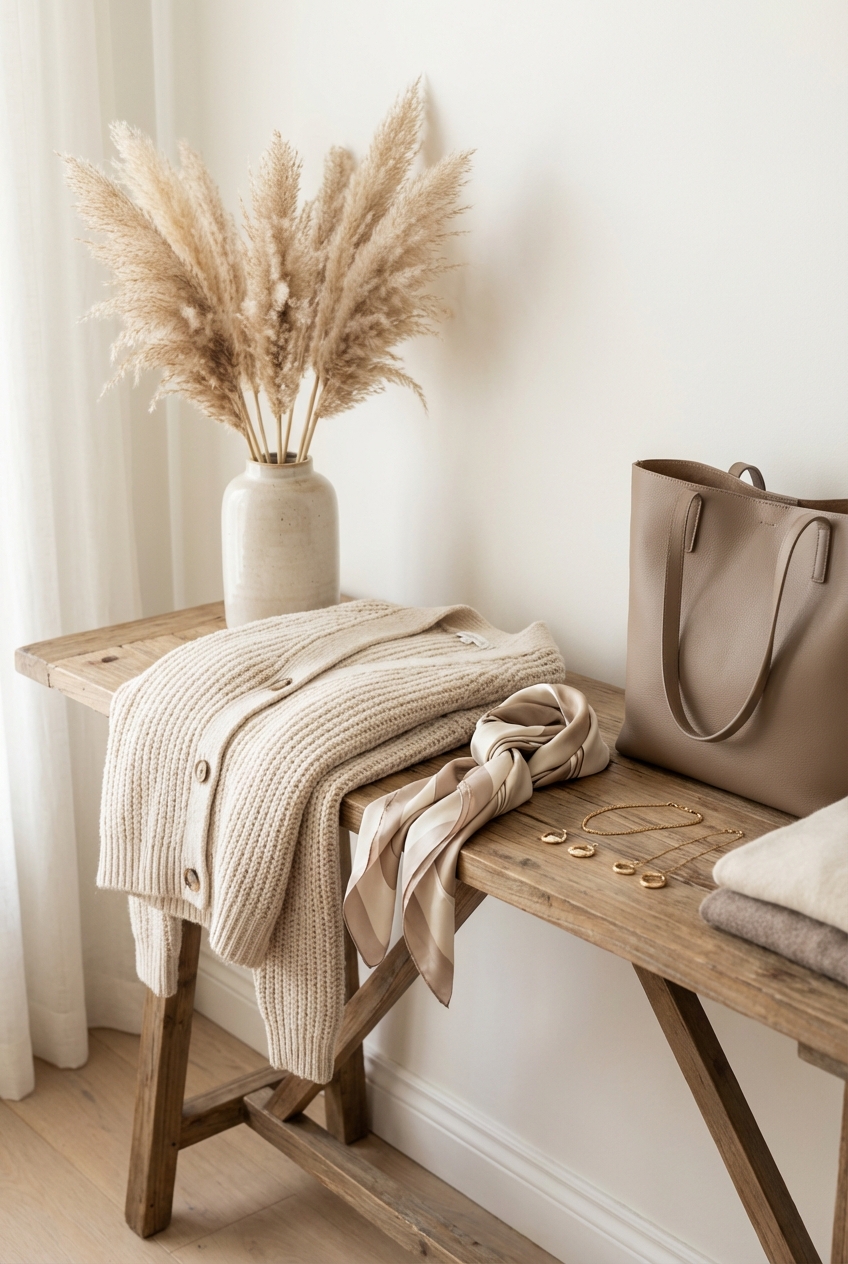
White, ivory, beige and light grey keep pastels from blurring together. Charcoal or navy works in colder months and gives the soft shades more definition.
Mix textures
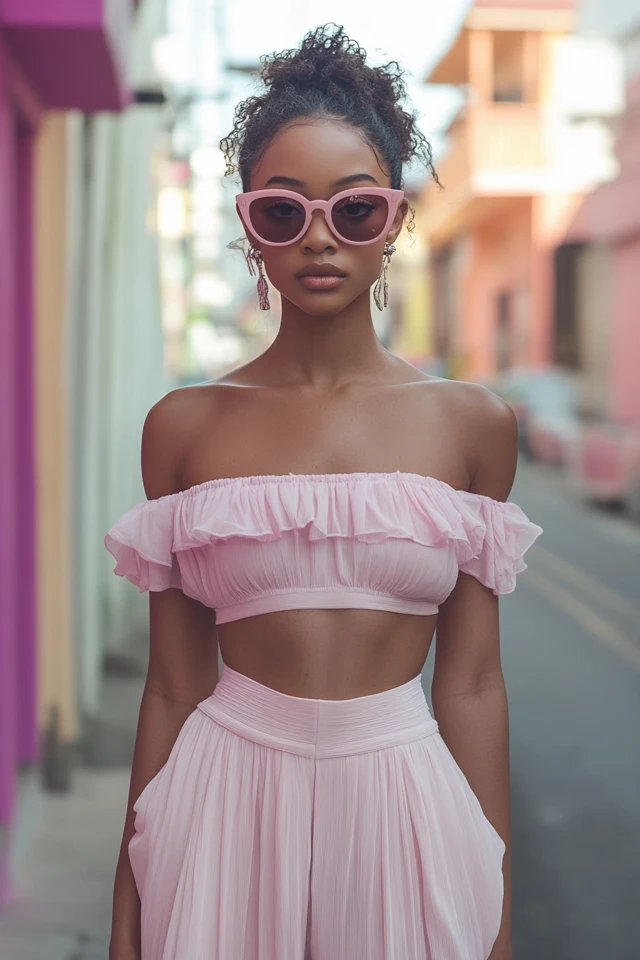
Through the lens of evidence-based design, I'd think about texture before adding a third color. The Field Report's source, Professor Bodie V. Pennisi, puts it this way: "Value is the lightness or darkness of each color. Adding white, black or white and black (which combine to make grey) to each color changes its value". A matte knit and a glossy satin in the same pink will look like different values, so texture can create depth without any new color.
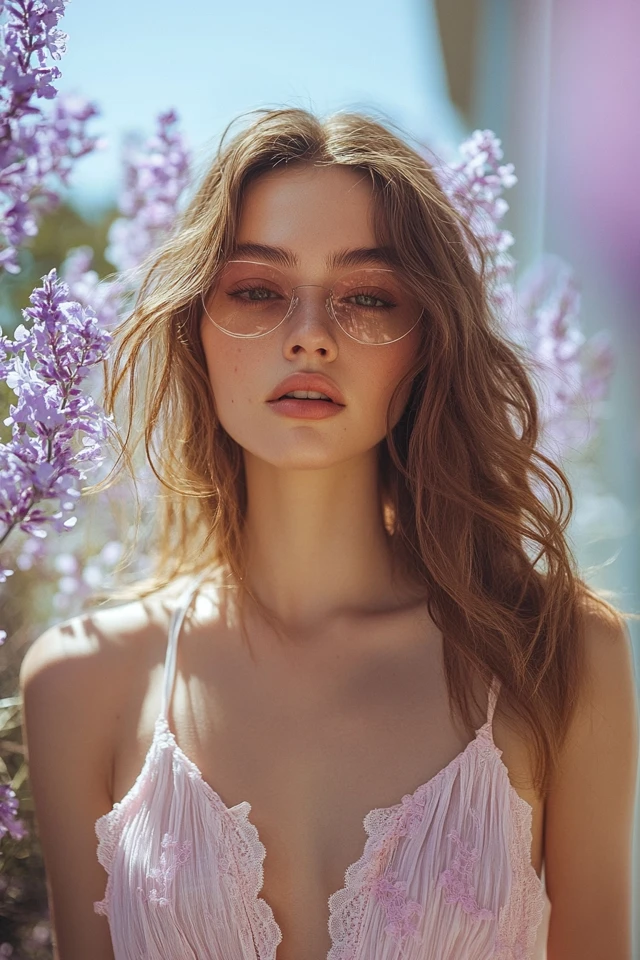
Pastel color combinations for clothes and dresses
Here are five outfit formulas, each built on a pastel pairing.
- Brunch: blush lace blouse, lilac midi skirt, nude heels.
- Casual day: mint knit, light-wash or pale blue jeans, white sneakers.
- Office: lavender sheath dress, pale grey blazer, light beige pumps.
- Picnic: soft yellow blouse, peach shorts, straw hat.
- Evening: pale blue maxi dress, cream shawl, silver heels and clutch.
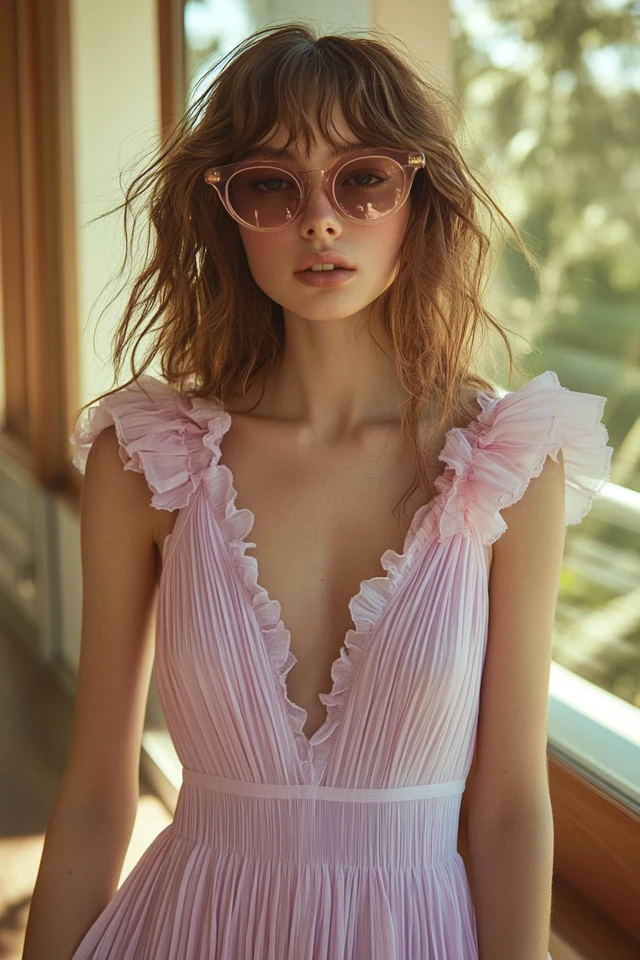
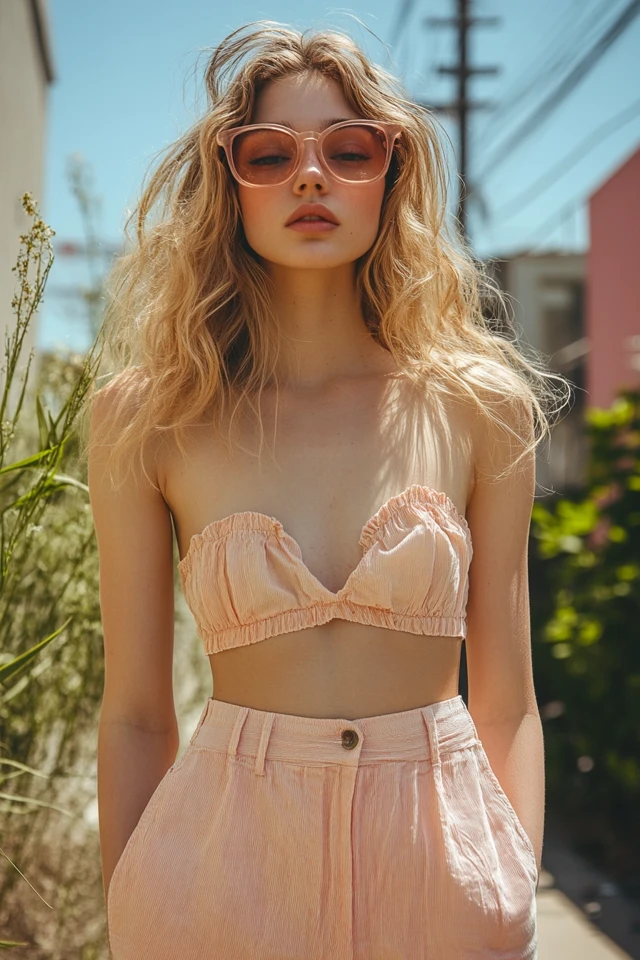
For a pastel color combination dress, let the dress carry one color and bring the second through a cardigan or accessories. A blush dress with a light lavender cardigan is a safe, flattering start. For more ideas, see soft girl pastel outfit ideas and pastel pink dresses for brunches.
Accessories and metals
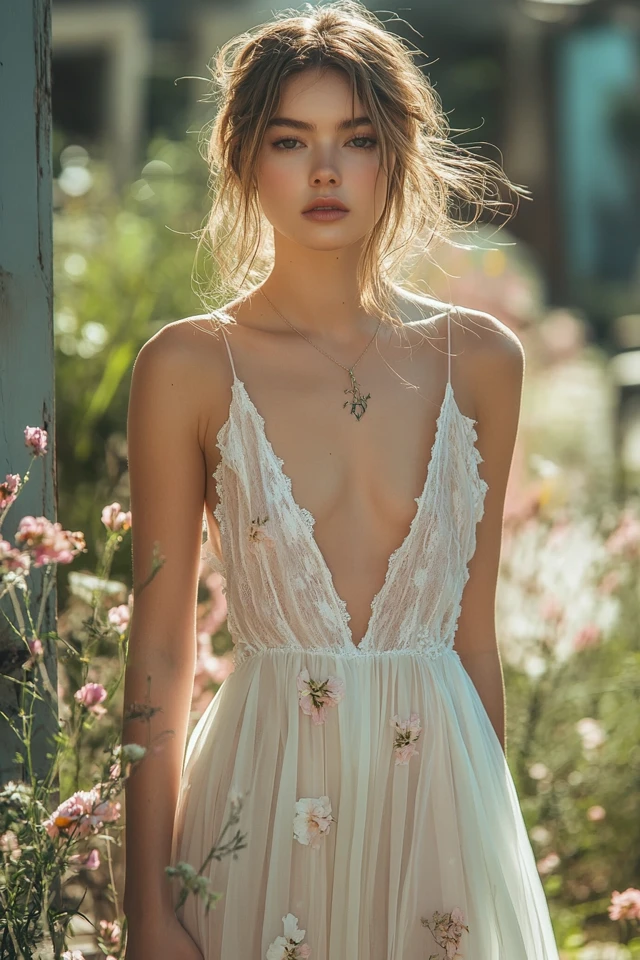
Silver and rose gold sit well beside pastels because they are light and slightly reflective. Heavy yellow gold can still work with peach and butter tones. A bag or shoes in a matching pastel make the outfit look planned, while a neutral bag keeps it relaxed.
Do pastels work on every skin tone and season?
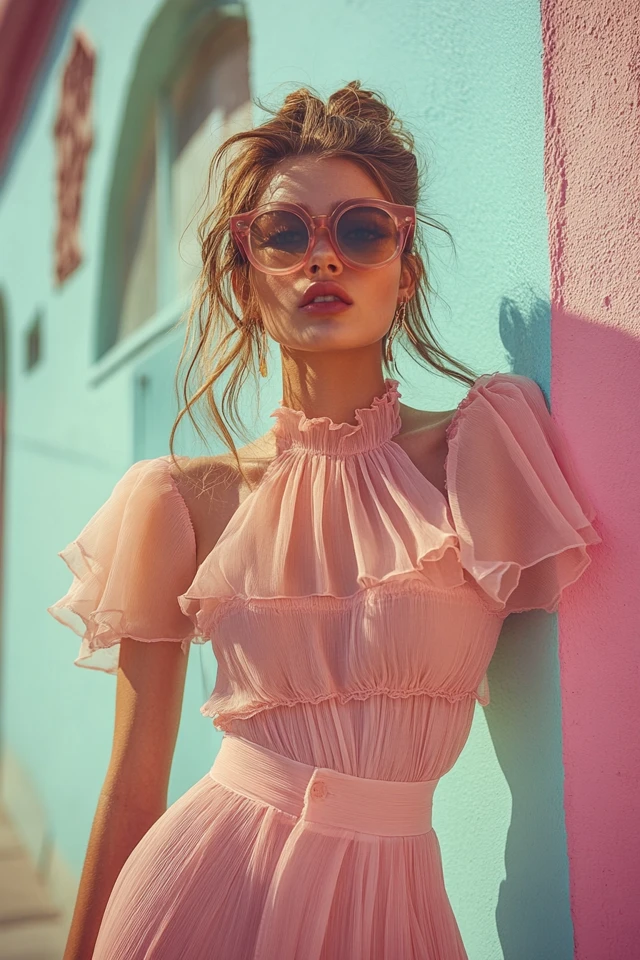
Yes, with adjustments. If a pastel looks washed out near your face, keep it lower on the body, in a skirt or trousers, and put a deeper or brighter color closer to your face. Pastels are not only for spring either. Cozy pastel sweaters and coats look good against charcoal or navy in winter, and pastel layering for transitional weather is a good place to see how.
If you're dressing for an occasion, bridal shower outfits in feminine pastels show these pairings at a dressier level, and periwinkle and soft pink blouses is a useful variation on the blue-and-pink idea.
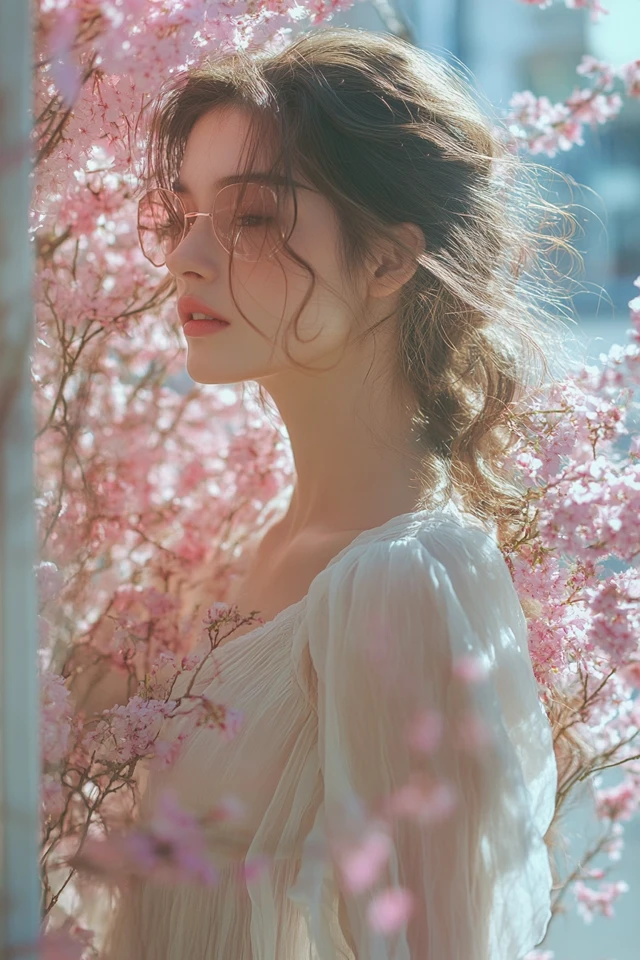
For hair, loose waves or a simple low updo keep the look soft. For makeup and nails, a sheer blush and a polish close to your outfit color are enough. If you have skin or nail concerns, check with a professional first.
Frequently asked questions
What are two pastel colors that would look good together?
Pastel pink with mint green and pastel blue with lavender are reliable pairs. Both combine one lead color with a second in a smaller amount.
Which pastel color is best?
It depends on what sits near your face and how you like to dress. Cool pastels like lavender and baby blue feel calm, while peach and butter yellow feel warmer.
How can I avoid looking washed out in pastels?
Wear the pastel on the lower half of your outfit, or add a deeper neutral or brighter accent near your face. Metallic jewelry also adds definition.
Are pastels appropriate for the office?
Yes. Choose tailored pieces, such as a pastel blouse with neutral trousers or a pastel dress with a structured blazer.
Filed under Color Palettes