
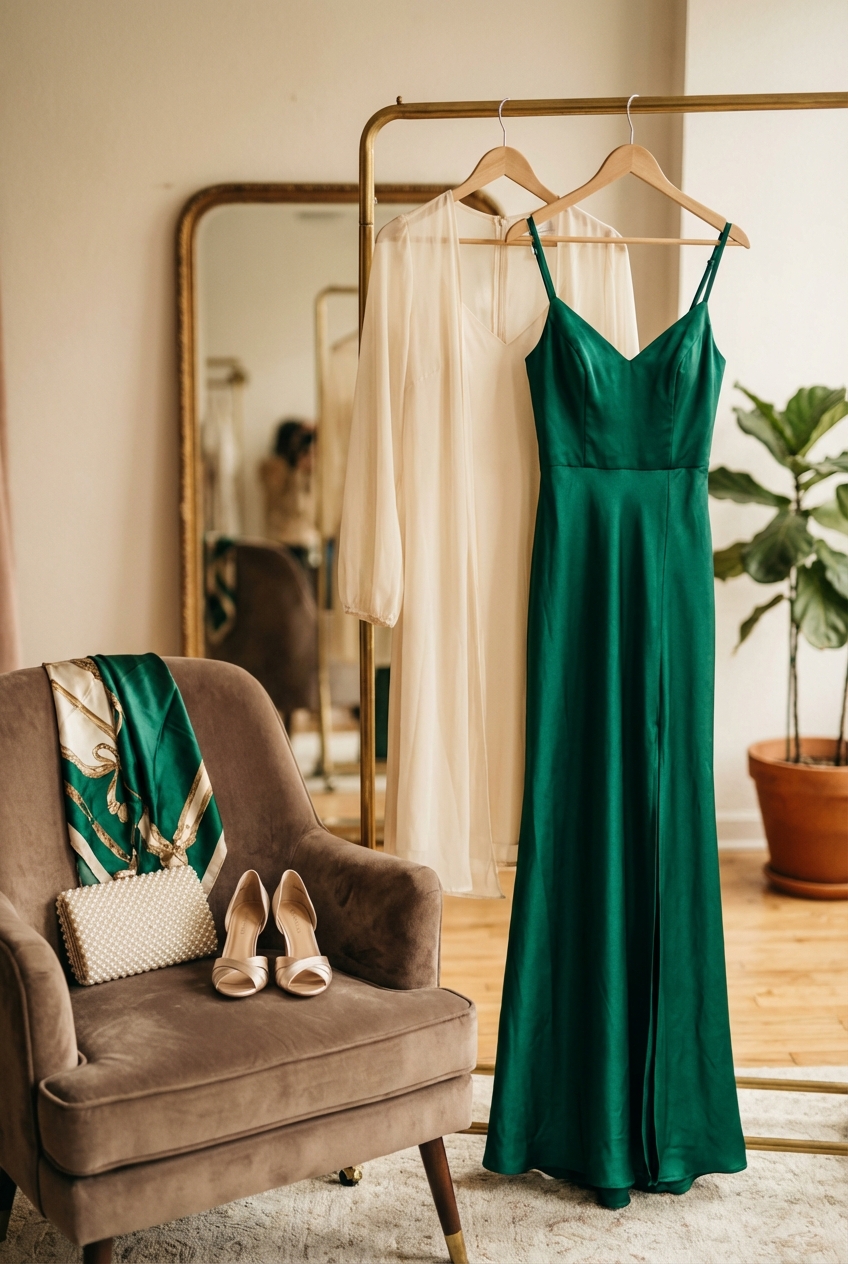
The Elegance Of Silk And Chiffon In Formal Dresses
There is a distinct, hush-inducing moment in a fitting room when a client steps into a gown made of genuine silk or high-grade chiffon. The fabric does not just sit on the body; it responds to it. I recall a specific fitting with a client who had spent years wearing structured, synthetic satin because she thought it provided better “support.” When we finally slipped her into a bias-cut silk charmeuse gown, her posture instantly changed. She didn’t need to force confidence because the fabric moved with such fluid elegance that she felt effortless.
Choosing the right material for a formal event is about more than just color or cut; it is about how the garment feels against the skin and how it catches the light. Silk offers a luminosity that synthetic fibers simply cannot mimic, providing a glow that looks radiant in both low-lit ballrooms and flash photography. Chiffon, on the other hand, provides the drama of movement, creating an ethereal trail of air as you walk through a room.
Understanding the mechanics of these fabrics is the secret to selecting a dress that looks expensive and fits perfectly. Whether you are attending a gala, a wedding, or a red-carpet event, the fabric dictates the formality and the functionality of the night. If you are looking for visual inspiration regarding these silhouettes, please scroll to the bottom because I have curated a beautiful Picture Gallery at the end of the blog post.
Understanding The Distinction Between Fiber and Weave
Before investing in a formal gown, it is crucial to understand exactly what you are paying for. Many shoppers confuse “silk” and “chiffon” as mutually exclusive categories, but they are actually referring to two different things. Silk is the fiber—the raw material produced by silkworms. Chiffon is the weave—the way the threads are constructed to create a sheer, crinkled fabric.
You can have chiffon made from polyester, rayon, or silk. As a fashion stylist, I always advocate for silk chiffon when the budget allows. Silk chiffon has a matte, sophisticated texture and breathes beautifully, whereas polyester chiffon can feel slippery and trap heat.
When you see a dress labeled “100% Silk,” it usually refers to the fiber content, but the weave might be satin, crepe, or georgette. Knowing this distinction helps you predict how the dress will behave. A silk satin will have a high shine and heavy drape, while a silk chiffon will be weightless and sheer.
The Luster and Weight of Silk Charmeuse
Silk charmeuse is arguably the gold standard for evening wear. It features a satin weave, meaning the threads are arranged to create a smooth, reflective surface on one side and a dull finish on the back. This fabric is famous for its “liquid” appearance.
When shopping for high-end formal wear, you should ask about the “momme” weight. Momme (mm) is the unit used to measure the density of silk. A standard scarf might be 8mm to 10mm, but a quality evening gown should ideally be between 19mm and 22mm.
Designer’s Note: The Reality of Weight
In my years of styling, the biggest issue I see with budget silk dresses is that the fabric is too light (under 16mm). When silk is too thin, it clings to static and shows every outline of your undergarments. A heavier weight silk (19mm+) falls straight down and skims the body rather than clinging to it, providing a much more flattering silhouette.
The Temperature Factor
One of the most practical reasons to choose silk over synthetic satin is breathability. Formal events often involve crowded rooms, dancing, and nerves. Silk is a natural protein fiber that regulates body temperature. It keeps you cool when the room heats up and warm if there is a chill in the air. Polyester encapsulates heat, which can lead to discomfort halfway through the night.
The Ethereal Movement of Chiffon
If silk charmeuse is about the body, chiffon is about the air around the body. Chiffon is technically a plain-woven fabric with a faint mesh-like appearance. Its defining characteristic is its sheer transparency. Because of this, chiffon formal wear is always layered.
A high-quality chiffon gown usually involves a solid lining (often silk or high-end viscose) with multiple overlays of chiffon. The magic happens when you walk; the layers separate slightly, catching the air and creating a “floating” effect.
Common Mistakes + Fixes: The Hemline Trap
The Mistake: Many women have their chiffon dresses hemmed while standing perfectly still on a podium.
The Fix: Chiffon is lightweight and bounces. When hemming a chiffon gown, I ask the tailor to cut the outer chiffon layer just 1/8th to 1/4th of an inch longer than the lining. This ensures that when you walk and the fabric floats up, the heavy lining never peeks out awkwardly.
Additionally, always check the type of hem used. A “baby hem” or a “rolled hem” is essential for chiffon. A wide, folded hem looks heavy and cheap on such delicate fabric, ruining the ethereal vibe.
Styling For The Bias Cut
You cannot discuss silk and chiffon without addressing the bias cut. Invented by Madeleine Vionnet in the 1920s, cutting fabric “on the bias” means cutting it at a 45-degree angle to the grain. This technique allows non-stretch fabrics like silk to stretch naturally over the curves of the body.
Bias-cut silk dresses are incredibly flattering because they eliminate bulky zippers and darts, relying instead on gravity and drape to shape the garment. However, they require a specific approach to sizing.
What I’d Do In A Real Project:
When fitting a client in a bias-cut gown, I always size up if they are between sizes. Because the fabric stretches over width by sacrificing length, a dress that is too tight will ride up and become shorter. It is always better to have a slightly looser fit that drapes vertically than a tight fit that pulls horizontally.
Handling Wrinkles
Silk wrinkles. It is a fact of nature. However, the bias cut helps disguise this because the fabric is constantly moving and draping. If you are traveling to an event, carry a handheld steamer. Never press an iron directly onto silk or chiffon, as you risk crushing the fibers or creating a permanent shine mark.
The Undergarment Architecture
The elegance of these fabrics is entirely dependent on what is worn underneath. Silk and chiffon are unforgiving; they will highlight the ridges of lace, the bands of thick elastic, and the texture of embellishments.
For silk gowns, seamless, laser-cut undergarments are non-negotiable. The edges must be raw and flat against the skin. I usually recommend nude tones that match the skin rather than the dress, as this prevents color bleed-through under flash photography.
The Static Struggle
Chiffon and silk are prone to static electricity, especially in dry, air-conditioned banquet halls.
The Quick Fix: Run a metal wire hanger over the inside of the dress and your legs before putting it on to discharge the electricity.
The Pro Tip: Apply a light layer of unscented moisturizer to your legs and let it dry completely before dressing. Hydrated skin does not generate static as easily as dry skin.
Color Vibrancy and Dye Lots
One of the less discussed but highly visible benefits of silk and silk chiffon is dye absorption. Natural fibers absorb dye deeply into the core of the thread, resulting in colors that are rich and multifaceted.
Synthetic fabrics often have a surface shine that reflects light, making black look dark gray or navy look purple under camera flashes. Silk absorbs light, meaning black silk looks unmistakably, deeply black. This depth of color adds an immediate sense of luxury and formality to the garment.
When choosing a color, consider the finish.
Matte Chiffon: Softens bright colors, making neons or bold reds look more elegant and less harsh.
Shiny Charmeuse: Amplifies color. Jewel tones like emerald, sapphire, and ruby look spectacular, but pastels can sometimes wash out under bright lights due to the reflection.
Designer’s Checklist: Finish & Styling
Before you head out the door, run through this mental checklist to ensure your look is polished and secure.
1. Jewelry Inspection
Check every prong on your rings, bracelets, and necklace clasps. Chiffon snags incredibly easily. A single rough prong on a bracelet can pull a thread and ruin the skirt of a dress in seconds. If you are wearing chiffon, avoid bracelets with open settings or rough edges.
2. The Shoe Interaction
If your dress is floor-length silk, check your shoe buckles. Elaborate rhinestone buckles on the toe of a pump can catch the hem of a long silk dress, causing it to shred or causing you to trip. Smooth-topped shoes or sandals are safer for delicate floor-length fabrics.
3. Steaming Strategy
Steam your dress from the inside out. This prevents water spots from appearing on the visible side of the silk. If you do get a water spot, do not rub it. Let it air dry; rubbing will chafe the fiber and leave a permanent white mark.
4. Perfume Application
Apply perfume and hairspray before you put on the dress. Alcohol and oils in beauty products can stain silk and chiffon instantly. Wait five minutes after spraying before stepping into your gown.
FAQs
Can I wear a silk dress to a summer outdoor wedding?
Yes, silk is actually ideal for summer because it breathes. However, be wary of sweat. If you perspire heavily, choose a patterned silk or a darker color, as plain light-colored silk shows moisture marks easily. Silk chiffon is a safer bet than silk satin for outdoor heat.
How do I get wrinkles out of chiffon without a steamer?
Hang the dress in the bathroom while you take a hot shower. The ambient steam will help relax the fibers. Do not let the dress get wet. Afterward, lay it on a clean bed to smooth out the remaining creases with your hand.
Is it worth buying a polyester dress that looks like silk?
High-quality synthetic blends have come a long way and can be a great option for durability and budget. However, for a very formal “black tie” event, the difference is usually visible in how the fabric moves and reflects light. If you choose synthetic, opt for a matte finish to mimic the look of high-end silk.
How should I store my gown after the event?
Never store silk or chiffon in plastic dry-cleaning bags. The plastic traps chemicals and humidity, which can yellow the fabric over time. Use a breathable cotton garment bag (muslin is best) and hang the dress by the internal ribbon loops to take the weight off the delicate shoulder straps.
Conclusion
Choosing a formal dress in silk or chiffon is an investment in how you feel, not just how you look. There is a reason these fabrics have adorned royalty and red carpet icons for decades. They offer a combination of breathability, luster, and movement that elevates a simple silhouette into something truly majestic.
By paying attention to the weight of the silk, the layering of the chiffon, and the hidden details of undergarments and tailoring, you ensure that the dress serves you throughout the night. Formal wear should never be a costume; it should be an extension of your personal style. When you choose high-quality natural fibers, you are choosing a garment that moves with you, catches the light beautifully, and allows you to enjoy the occasion with effortless grace.
Picture Gallery


