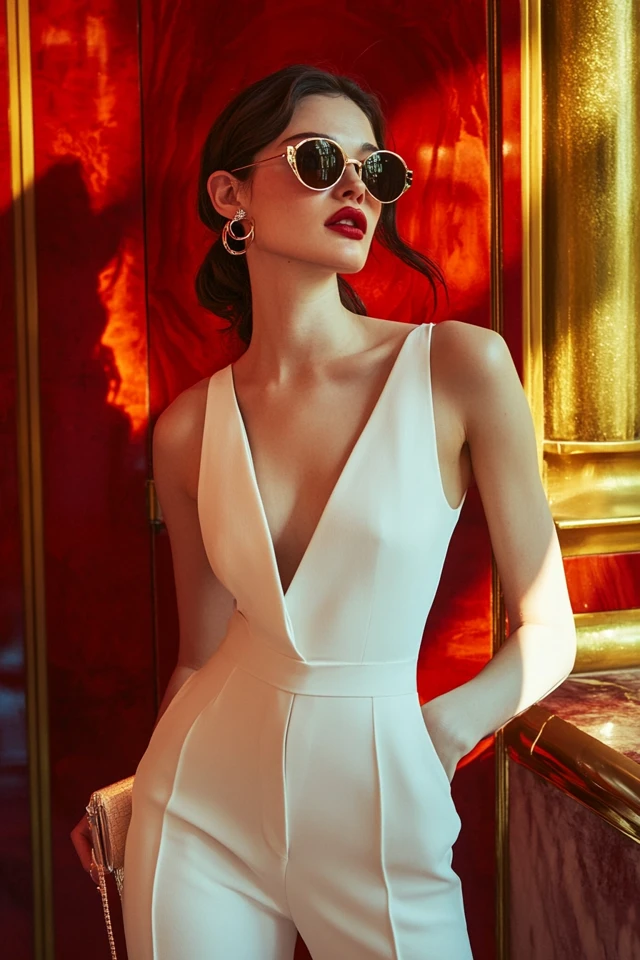
The Role of Neutral Tones in a Functional Capsule Wardrobe
- Words by
- Julio Arco
- Published
- Reading
- 5 min
A capsule wardrobe color palette works when most of your pieces share a few neutrals, so almost any top meets almost any bottom. A simple structure: two or three base neutrals, two or three main colors, and a few accents. One version of this is the 3 main colors, 2 neutrals, 4 accents palette, but the exact numbers matter less than the ratio. Keep neutrals as the majority and let color be the smaller part.
Below is how to choose each layer, how to check it against your skin tone, and what to do with the clothes you already own.
Why neutrals come first in a capsule
Neutrals are colors without a dominant hue: white, cream, gray, charcoal, black, beige, taupe, camel and navy. They are the layer that makes everything else mixable, which is the whole point of a capsule. Camel trousers, a white shirt and a gray knit all work together without anyone planning it.
Through the lens of evidence-based design, I'd pay attention to how a neutral is perceived, not just named. A cream and a stark white sitting side by side read as two different colors, and a matte wool and a glossy satin in the same gray do not look identical either. That is why texture is part of palette planning, not an afterthought.

How to choose a capsule wardrobe color palette
Work in this order. It keeps you from buying a pretty color that nothing else in your closet can pair with.
- Pick two or three base neutrals. These go on your pants, coats, shoes and bags.
- Add two or three main colors. These are the shades you reach for in tops, knits and dresses, and they should sit comfortably next to every base neutral.
- Choose up to four accents. Scarves, a belt, one bold top or a pair of earrings are enough.
- Check that every piece pairs with at least three others.
If you want a deeper walk-through of the neutral layer, see how to build a capsule wardrobe around neutral tones.

What colors to include in a capsule wardrobe
Base neutrals
Choose one dark, one light and one mid-tone. For example: navy or charcoal, cream or white, and camel or gray. Black works as the dark one if you already wear it often. Navy is a softer option that still reads as formal.
Main colors
Look for shades in the same temperature family as your neutrals. Olive, rust, dusty blue or burgundy sit well with camel and cream. Muted blue-green, plum or soft pink suit gray and navy. If you like earthy shades, a modern earth-tone capsule shows how far that family can go.
Accent colors
Accents are the small, replaceable part. Because you can swap a scarf or a bag cheaply, this is the right place to try a bright or a trend color without committing your whole closet to it.

How do you match a palette to your skin tone?
Undertone is the usual starting point for a clothing color palette for skin tones. Warm undertones tend to look good next to camel, cream, warm taupe and olive. Cool undertones usually do well with crisp white, charcoal, navy and cool gray. If both seem to work, you probably have a neutral undertone and can mix.
This is a guide, not a rule. Hold a fabric near your face in daylight and check whether your skin looks even or tired. A shirt that washes you out is a color problem you can fix with a scarf or necklace in a better shade near your face, or by moving that color to the bottom half of the outfit.

Which neutral and color ratio works best?
A practical target is a closet where neutrals make up the majority, often around two thirds, with color and accents filling the rest. Treat it as a range. If you love color, push it toward half and half. If you want maximum ease, lean heavier on neutrals.
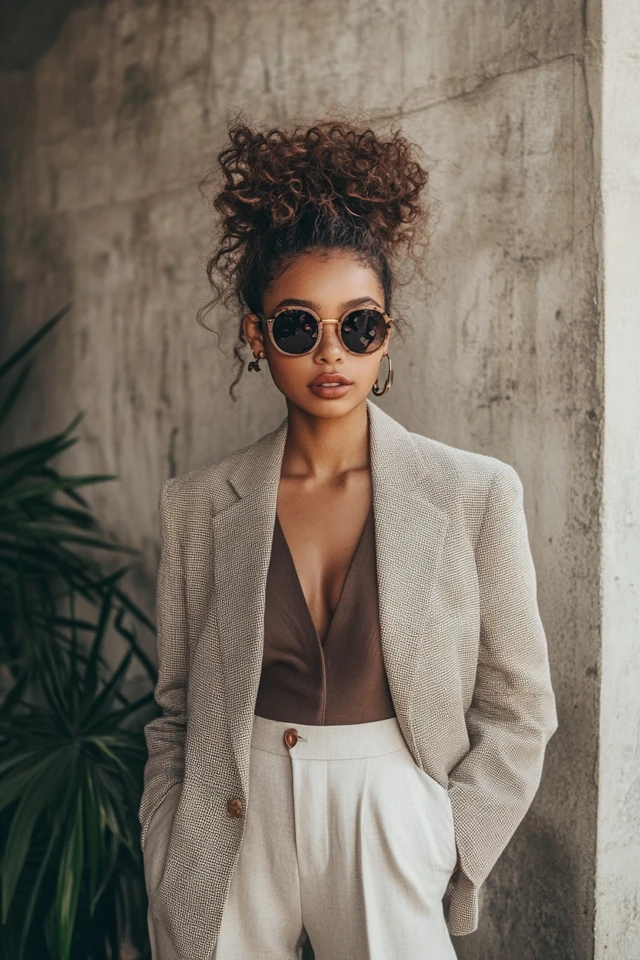
To keep an all-neutral outfit from looking flat, vary the shades and the surfaces. Pair a light neutral with a dark one, such as beige with navy, and mix a smooth fabric with a chunky knit. As an architect trained in evidence-based design, I'd treat contrast and texture as the two things the eye reads first in a low-color outfit.

Check that your palette is mixable and wearable
Lay out your pants and skirts, then your tops. Every top should work with at least two bottoms and every bottom with at least three tops. Anything that only works with one thing is a candidate to leave out.
- Pull out pieces you have not worn in a season and note their colors. If one shade repeats, it may not suit you.
- Photograph your five most-worn outfits. The shared colors are the start of your real palette.
- Keep shoes and bags in your base neutrals so they match everything.
Basics in these shades are easier to repeat, so a solid set of basics is a good place to start, followed by pants in your base neutrals.
Use your existing closet as a guide
A palette does not mean starting over. Textile waste is a real issue: the EPA estimated that textile generation in 2018 was 17 million tons, and the same page puts the recycling rate for all textiles at 14.7 percent. So keep what already fits your colors and wears well.
When deciding what stays, MSU Extension instructor Jasmine Harris-Speight suggests asking: "Does this item hold a sentimental place in my heart? Will I miss this item if I get rid of it?" Pieces outside your palette that pass that test can stay as occasional wear.

Sample palettes to try
| Style | Neutrals | Main colors | Accents |
|---|---|---|---|
| Warm and earthy | Cream, camel | Olive, rust | Mustard, brown leather |
| Cool and crisp | White, navy, gray | Dusty blue, plum | Silver, soft pink |
| Classic and sharp | Black, ivory | Burgundy, charcoal | Red, gold |
Layer outerwear and knits in the same neutrals, as in this guide to capsule outerwear. The warm palette can run all year; swap light linen for wool when the weather turns.

Frequently asked questions
How to choose a color palette for a capsule wardrobe?
Start with two or three base neutrals, add two or three main colors that sit well next to them, then finish with a few accents. Check that each piece pairs with several others.
What is the 3-3-3 rule capsule wardrobe?
It is a shorthand for a small closet built from a few items in each category, often three tops, three bottoms and three layers or shoes. Versions differ, so treat it as a starting structure rather than a strict rule.
What colors should I include in my capsule wardrobe?
Include a dark neutral, a light neutral and a mid-tone, then a couple of main colors and one or two accents. Pick shades that share the same warm or cool leaning.
Can neutral tones feel boring?
They can if every piece is the same shade and fabric. Mixing light and dark neutrals and varying textures keeps the outfit interesting.
Filed under Capsule Wardrobe