
The Role Of Outerwear In A Functional Capsule Wardrobe
We often spend considerable time curating the perfect outfit. We agonize over the fit of our trousers, the tuck of a silk blouse, and the height of our heels. Yet, for nearly half of the year, all that effort is completely concealed the moment we step out the door. Your coat is not just a utility item used to get from point A to point B; it is the entirety of your first impression.
In my years working as a high-end stylist, I have seen countless clients with impeccable taste in separates who ruin their silhouette with ill-fitting or mismatched outerwear. A capsule wardrobe relies on versatility and cohesion. If your outerwear fights against your base layers—whether through clashing formality, incorrect proportions, or poor fabric choices—the capsule fails to function. Outerwear is the anchor that holds your winter and transitional style together.
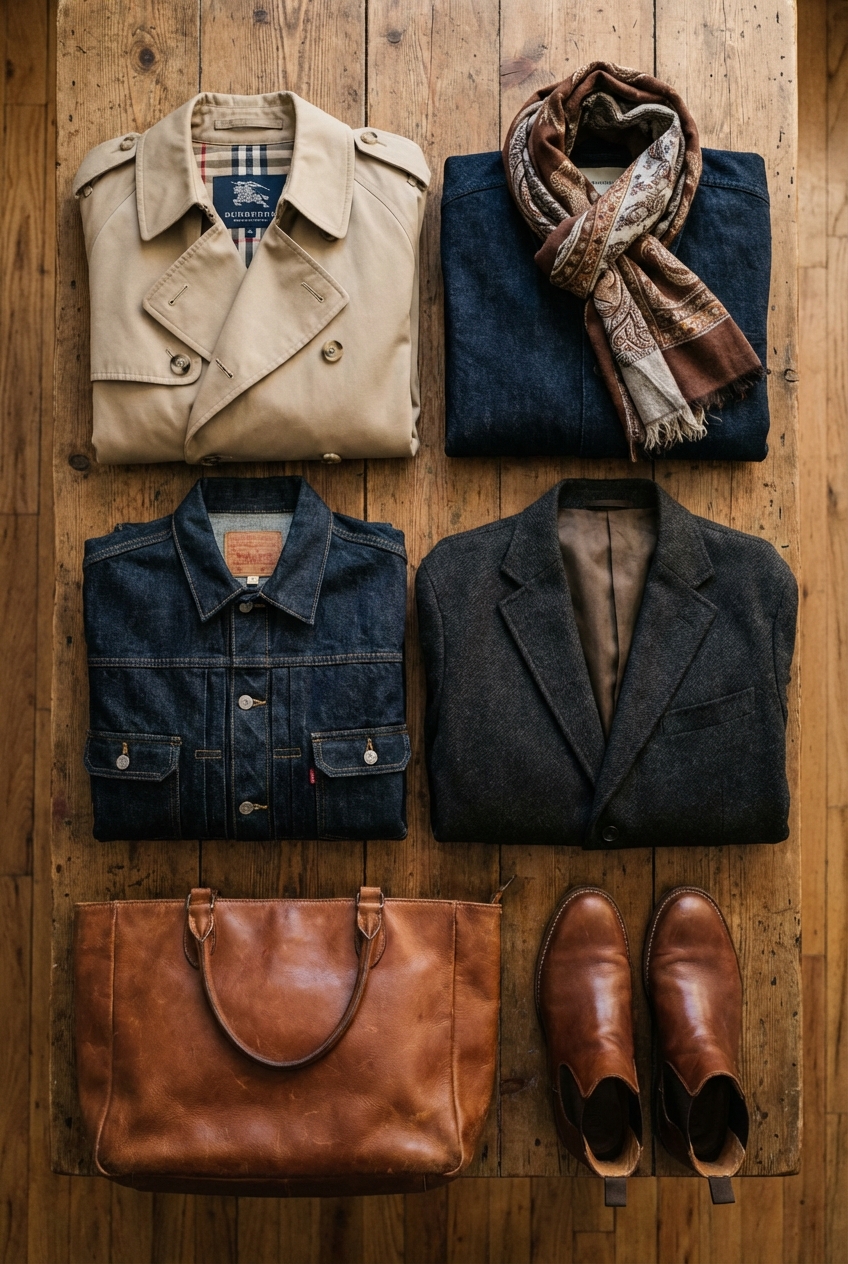
Building a functional coat closet requires a shift in mindset from “covering up” to “completing the look.” It requires an investment in tailoring, an understanding of fabric weight, and a brutally honest assessment of your lifestyle. I have curated a stunning collection of coat styles to inspire your closet in the picture gallery at the end of this blog post.
1. Establishing the Core Function
Before buying a single garment, we must define the role outerwear plays in your specific life. A functional capsule wardrobe is not one-size-fits-all; it is a direct reflection of your daily movements. A client living in a rainy coastal city needs a completely different outerwear strategy than someone in a dry, bitter urban winter.
The primary mistake I see is buying for a fantasy life rather than reality. We fall in love with a cream cashmere wrap coat that looks stunning in an editorial, but if you commute via subway or have small children with muddy boots, that coat becomes a source of anxiety rather than joy. In a capsule wardrobe, every piece must earn its keep through frequent wear.
Functionality also refers to warmth regulation. Your outerwear selection must account for layering capacity. If a coat is warm enough for a blizzard but too bulky to wear over a suit jacket, it limits your styling options. We aim for pieces that offer thermal versatility, allowing you to regulate body temperature by changing what is worn underneath rather than relying solely on the coat itself.
Designer’s Note: The “Life-Edit” Rule
In a real project, I have my clients track their activities for two weeks before we shop. We categorize outings into three buckets: Commute/Errands, Professional/Social, and Active/Outdoor. If 70% of your time is spent in the Commute/Errands bucket, 70% of your outerwear budget should go toward durable, mid-weight pieces, not evening capes.
2. The Essential Trio of Silhouettes
To maximize a capsule wardrobe without overcrowding your closet, you generally only need three key silhouettes. These three shapes cover almost every sartorial requirement, from a black-tie wedding to a Saturday morning grocery run. By limiting yourself to these three categories, you can invest higher dollar amounts into better quality.
The Tailored Wool Coat
This is your workhorse. It provides structure and elevates casual pieces like denim and sweaters. Look for a single-breasted cut for a lengthening effect, or double-breasted if you want to add width to your shoulders. This piece should ideally hit mid-calf to ensure it covers long cardigans and midi-skirts.
The Technical Trench or Rain Mac
This is your transitional shield. It is lighter than wool but offers protection against wind and water. In a capsule wardrobe, the trench serves as a layering shell. It should be roomy enough to fit a chunky knit underneath during colder months but light enough to wear over a t-shirt in the spring.
The Casual Performance Piece
This is usually a puffer, parka, or shearling-lined aviator. This coat is strictly for thermal survival and casual aesthetics. However, “casual” does not mean sloppy. In high-end styling, we look for matte finishes rather than high-shine nylon, and we ensure the hardware (zippers and snaps) is substantial and heavy.
3. Material Composition and Longevity
The label inside the coat tells you more than the price tag ever will. In the world of high-end fashion, fabric composition is the single biggest predictor of how long a garment will last and how well it will drape. For a capsule wardrobe, we avoid high percentages of synthetics like acrylic, which tend to pill (form small fuzzballs) rapidly and do not breathe well.
When selecting a wool coat, aim for at least 70% natural fibers (wool, cashmere, alpaca). The remaining 30% can be a synthetic like polyamide, which actually adds strength and durability to the weave. A 100% cashmere coat is luxurious, but it is fragile. A wool-blend Melton fabric is dense, wind-resistant, and maintains its architectural shape for years.
Lining materials are equally important. Avoid polyester linings if possible; they trap heat and sweat, making the coat uncomfortable during temperature transitions. Look for Viscose, Rayon, or Cupro linings. These semi-synthetic natural fibers breathe like cotton but slide easily over your clothing like silk, preventing that annoying friction that causes your sleeves to bunch up.
Common Mistakes + Fixes
- Mistake: Buying “Unlined” wool coats to save money.
- Why it fails: Unlined coats lack structure and friction control. They cling to your trousers and stretch out in the seat and elbows quickly.
- The Fix: Always choose fully lined coats for your core capsule. Save unlined “double-faced” wool for light cardigans or indoor blazers.
4. Mastering Proportion and Scale
Scale is the technical aspect of styling that separates a polished look from a messy one. When we discuss scale in outerwear, we are talking about the relationship between the coat’s hemline, the sleeve length, and the volume of the body. Incorrect scale makes you look overwhelmed by fabric or like you have outgrown the garment.
The Sleeve Rule
A coat sleeve should end exactly at the wrist bone when your arm is straight down. If it covers your knuckles, you look like you are wearing a hand-me-down. If it shows your watch when your arm is down, it is too short. A tailor can easily shorten sleeves, but lengthening them is often impossible due to buttonholes and fabric allowances.
Hemline Coordination
The golden rule of layering is that your dress or skirt should not peek out awkwardly beneath your coat unless the difference is intentional and significant. Ideally, your coat should be an inch longer than your skirt. If you wear maxi dresses often, you need a coat that hits at the ankle or a cropped jacket that hits at the waist. The mid-length zone creates a disjointed visual line that cuts your height in half.
Shoulder Seams
The seam of the shoulder should sit precisely on the corner of your shoulder bone. If you are buying an oversized “cocoon” style coat, the drop-shoulder seam should fall significantly lower (2-3 inches down the arm). If the seam sits in the “no-man’s land” between the shoulder and the bicep, it looks ill-fitting rather than intentionally oversized.
5. Color Theory for Outerwear
In a capsule wardrobe, your coat is the largest block of color you will wear. Therefore, it must harmonize with at least 80% of your existing closet. While a hot pink coat is fun, it limits your outfit combinations significantly. Neutrality is the key to maximizing “cost per wear.”
Camel, Navy, Black, and Charcoal are the pillars. However, you can branch out into “pseudo-neutrals” like Olive Green, Burgundy, or Deep Espresso. These shades add richness without clashing with standard denim or black trousers. If you have a warm skin tone, Camel and Olive are your best friends. If you have a cool skin tone, lean toward Charcoal and Navy.
If you crave pattern, stick to classic heritage motifs. A Prince of Wales check, a subtle Herringbone, or a Blackwatch Tartan act as neutrals because the patterns are small and traditional. Avoid large-scale plaids or high-contrast prints for your main investment pieces, as they are memorable and harder to repeat frequently without feeling repetitive.
What I’d Do in a Real Project
If I am building a capsule for a client, I follow the “2+1” formula. We buy two neutrals (e.g., one Camel trench, one Black wool coat) and one texture (e.g., a boucle or teddy texture in cream). This ensures color safety while introducing tactile variety.
6. Investment and Maintenance
Outerwear is expensive to produce because it requires heavy yardage of fabric and complex construction. Consequently, cheap coats often look cheap. This is the one category in your wardrobe where I advocate spending the majority of your seasonal budget. A $400 coat worn 100 times costs you $4 per wear. A $60 trendy jacket worn twice costs you $30 per wear.
To protect this investment, you must adopt a maintenance routine. Coats should not be dry cleaned too often, as the chemicals strip the natural oils from the wool, leaving it brittle. Instead, use a horsehair clothes brush to remove surface dust and dirt after every few wears. This revives the nap of the fabric and keeps it looking fresh.
Store your coats on broad, wooden hangers with molded shoulders. Wire hangers or thin plastic hangers will ruin the shoulder structure of a heavy coat within a few months, creating permanent bumps in the padding. During the off-season, store wool coats in breathable cotton garment bags to protect against moths—never store them in plastic dry-cleaning bags.
Finish & Styling Checklist
Before you finalize your outerwear selection, run through this quick styling checklist to ensure the piece works with your life.
- The “Sit Test”: Sit down in the coat and mimic driving or typing on a phone. Does the fabric pull tight across the hips? If the buttons strain, size up.
- The “Sweater Test”: Bring your thickest knit sweater to the store. Try the coat on over it. Do you have full range of motion in your arms? If the armholes cut into your armpits, you need a different cut.
- Hardware Check: Are the zippers smooth? Do the buttons feel secure? Loose buttons on a new coat are a sign of poor manufacturing.
- Pocket Placement: Put your hands in the pockets. Are they at a comfortable height? Pockets that are too high or too far back make you look awkward when standing.
- Collar versatility: Pop the collar up. Does it stay? Does it look good? A popped collar is a great styling trick for windy days, but the underside of the collar needs to be finished properly.
FAQs
Can I really survive winter with just one coat?
It is possible, but difficult if you live in a climate with variable weather. If you must choose only one, choose a black or charcoal wool coat with a removable liner. This covers formal events, work, and casual dinners, and hides dirt well.
How do I fix a coat that is pilling?
Pilling is natural for soft wools. Do not pull them off by hand. Buy an electric fabric shaver or a cashmere comb. Lay the coat on a flat surface and gently shave off the fuzz. It will look brand new in minutes.
I am petite. How do I wear long coats without looking short?
Focus on the fit of the shoulders and the waist. If the shoulders are sharp and fitted, and the coat nips in at your natural waist (or is belted there), the length will actually elongate you. Avoid oversized, shapeless cuts that swallow your frame.
Is a puffer coat acceptable for professional settings?
Yes, provided it is streamlined. Look for “city coats” which use down fill but have a smooth, wool-like exterior or a matte finish, rather than the shiny “Michelin Man” aesthetic. Dark colors like navy or black also make puffers look more formal.
Conclusion
Outerwear is the final edit of your personal style. In a capsule wardrobe, where every piece interacts with the others, the coat acts as the unifying element. By focusing on the “Essential Trio” of silhouettes—the trench, the wool coat, and the performance piece—you ensure that you are prepared for any weather without sacrificing elegance.
Remember that high-end style is not about the logo on the label, but the precision of the fit and the quality of the fabric. When you invest in outerwear that respects your lifestyle and flatters your proportions, getting dressed on the coldest, darkest mornings becomes a little bit easier. You step out the door not just protected from the elements, but fully composed.
Picture Gallery


