
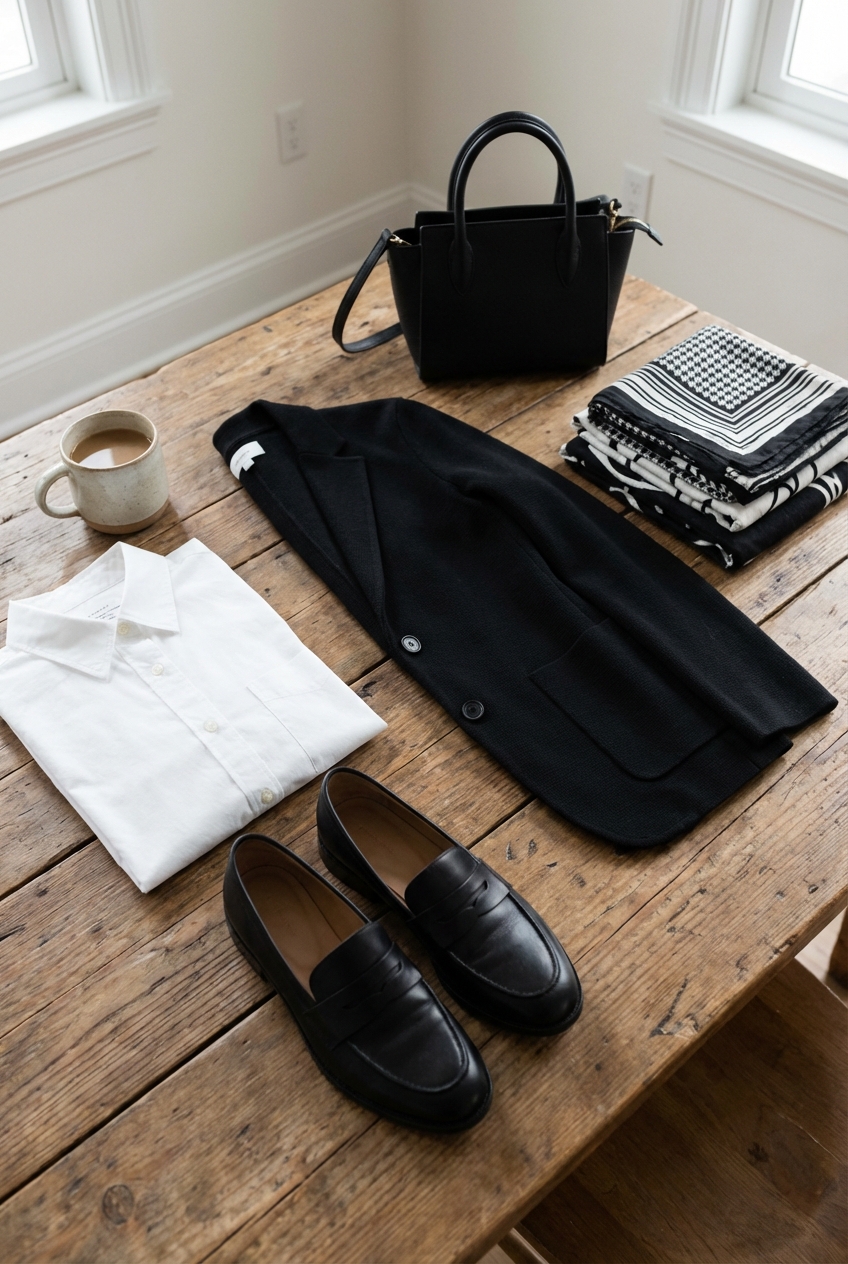
Timeless Black And White Classic Combinations That Never Go Out Of Style
In the world of high fashion, nothing commands respect quite like the little black dress or a crisp, tailored white button-down. These staples are the backbone of a sophisticated wardrobe because they never demand attention, yet they always capture it. The same philosophy applies to interior design. A black and white palette is the architectural equivalent of a Chanel suit—it is structured, elegant, and unapologetically enduring.
When I approach a design project, I often look to runway collections for inspiration on texture and silhouette. In a home, black provides the outline and the drama, while white offers the negative space that allows the eye to rest. It is a dialogue between shadow and light that works in a sprawling estate just as well as it does in a modest city apartment.
However, executing this look requires more than just buying paint. It requires a nuanced understanding of undertones, lighting, and texture to prevent the space from feeling sterile or clinical. If you are looking for visual inspiration to bring these concepts to life, please note that a curated Picture Gallery is waiting for you at the end of this blog post.
The Foundation: Understanding Undertones and Lighting
Before we start buying furniture, we must address the “canvas” of the room. The biggest misconception about black and white design is that it is devoid of color complexity. In reality, there are hundreds of shades of white, ranging from cool, blue-based tones to warm, creamy hues.
For a residential space, I almost always recommend staying away from “hospital white” or pure brilliant white, which can feel harsh and uninviting. Instead, look for whites with a Light Reflectance Value (LRV) between 82 and 90. This range bounces light around the room without blinding you.
Designer’s Note: The Paint Mistake
A lesson I learned early in my career involved painting a north-facing room in a cool, stark white. The natural light in north-facing rooms is already blue-toned; the result was a room that felt like the inside of a refrigerator.
The Fix: Always test paint on large boards, not just small swatches. Move the board to different walls throughout the day. If your room faces north, choose a white with a slight warm (yellow or red) undertone to counteract the blue light.
When it comes to black paint, finish is everything. A matte or eggshell finish on a black wall absorbs light and hides imperfections, making the walls recede. This creates a cozy, infinite feeling. High-gloss black is stunning and incredibly chic, but it requires perfectly smooth walls because it highlights every bump and dent.
The Living Room: Anchoring Space with Contrast
The living room is where the interplay of black and white can feel most luxurious. The goal here is balance. If the walls are white, you need to ground the space so your furniture doesn’t look like it is floating.
What I’d do in a real project:
- Flooring: If you have light oak floors, I would layer a large rug to create a zone. A vintage black-and-white Oushak or a graphic Moroccan rug works beautifully.
- Sofa Selection: A white sofa is the dream, but for clients with pets or kids, it is a nightmare. I often specify a charcoal or soft black performance velvet sofa. It hides stains and anchors the room.
- Drapery: To heighten the ceiling, hang curtain rods 4 to 6 inches below the ceiling molding (or ceiling), not right above the window frame. For this aesthetic, white linen drapes with a black edge banding are pure sophistication.
Common Mistakes + Fixes
Mistake: Using all solids. A black sofa, white walls, and white rug can look like a showroom, not a home.
Fix: Introduce pattern and texture. Use pillows in houndstooth, ticking stripes, or boucle. The fashion rule applies here: mix large scale prints with small scale prints to keep the eye moving.
The Kitchen: The Tuxedo Effect
The “Tuxedo Kitchen” implies darker lower cabinets paired with white upper cabinets. This is one of the most practical and timeless applications of this color scheme.
Dark lower cabinets are forgiving. They hide scuffs from shoes and drips from cooking much better than white cabinetry. By keeping the upper cabinets white (or replacing them with open shelving), you ensure the kitchen feels airy and open, which is essential if the square footage is tight.
Practical Measurements for the Kitchen:
- Island Spacing: If you are contrasting a black island with white perimeter counters, ensure you have at least 42 inches of clearance on all sides for traffic flow.
- Pendant Lighting: Black matte pendants over a white marble island are a classic choice. Hang them 30 to 36 inches above the countertop to avoid blocking sightlines.
- Hardware: Don’t feel pressured to use black hardware on black cabinets. Unlacquered brass or polished nickel creates a “jewelry” effect that breaks up the heaviness.
Durability Check:
If you choose black countertops, be wary of honed absolute black granite or soapstone if you are oily-fingerprint averse. These materials show oil marks easily. A honed black quartz or a leathered granite offers the same look but is much more forgiving for daily family life.
The Bedroom: Softening the Monochrome
In the bedroom, the high contrast of black and white needs to be softened to promote rest. We want the drama of high fashion, but the comfort of a sanctuary.
To achieve this, focus on “off-black” and “off-white.” Instead of jet black, use charcoal, graphite, or iron. Instead of bright white, use ivory, bone, or oatmeal. The lack of jarring contrast helps the nervous system relax.
Designer’s Note: The Bedding Strategy
I treat the bed like a layered outfit.
1. Start with crisp white percussion cotton sheets (cool to the touch).
2. Add a textural black or charcoal duvet at the foot of the bed.
3. Use three euro shams against the headboard for height.
4. Pet Owner Tip: If you have a dog that sleeps on the bed, a patterned black-and-white quilt is your best friend. It hides fur infinitely better than a solid solid color.
Lighting is crucial here. Avoid cool white bulbs (4000K-5000K) which make a black and white bedroom feel like an interrogation room. Stick to 2700K bulbs, which provide a warm, golden glow that softens the starkness of the color palette.
Bathrooms: The Jewel Box Approach
Small spaces like powder rooms and bathrooms are where I like to break the rules and go bold. A black and white powder room is a fantastic place to use wallpaper. A toile print or a bold geometric stripe can make a small room feel like a curated art installation.
Tiling and Grout:
For a classic look, white subway tile is standard, but the grout color changes everything.
- White Grout: Creates a seamless, clean texture. High maintenance.
- Black/Grey Grout: Highlights the pattern of the brick layout and hides mold or dirt. This is my go-to for rentals and family homes.
The Floor:
Hexagonal mosaic tiles in black and white patterns are historically accurate for homes built in the 1920s and 30s, making them a timeless choice. If you are renovating, ensure your contractor creates a proper “dry layout” before installing so the pattern is centered in the room.
Outdoor Living: Contrast in the Landscape
We often forget that our living space extends to the exterior. Black and white in the garden is a masterclass in framing nature. Green foliage looks exponentially more vibrant against a black backdrop than it does against a white one.
What I’d do in a real project:
- Fencing: Painting a wooden fence matte black makes it disappear visually, causing your eyes to focus entirely on the plants in front of it.
- Planters: Use large-scale white concrete planters against a dark exterior wall, or black planters against white siding. Contrast is key.
- Furniture: Black metal furniture (aluminum or wrought iron) is timeless. Pair it with off-white cushions in a performance fabric like Sunbrella.
Maintenance Reality:
White outdoor cushions are high maintenance. If you live in a rainy climate or have trees that drop pollen, be prepared to wash covers frequently. Alternatively, choose a black-and-white stripe or a grey cushion, which is more forgiving while still fitting the palette.
Finish & Styling Checklist
Once the paint is dry and the furniture is placed, the styling brings the room to life. In a monochromatic room, accessories are the “jewelry” that completes the outfit.
Texture is King:
Without color, you must rely on tactile differences.
- Metals: Mix in warm metals like brass or gold to add warmth. Black, white, and gold is a trifecta of chic.
- Natural Elements: Wood, cane, jute, and leather prevent the room from feeling cold. A caramel leather chair in a black and white room is stunning.
- Greenery: Every room needs life. A large Fiddle Leaf Fig or a simple vase of eucalyptus adds the only “color” you need.
The Art of Scale:
In a black and white room, tiny accessories can look like clutter. Go big. oversized black and white photography, large coffee table books, and substantial sculptural objects work best.
FAQs
Q: Will a black and white room feel cold and uninviting?
A: It can if you rely only on solids and smooth surfaces. To prevent this, use warm white paint (creamy undertones), layer textures (wool, velvet, linen), and introduce warm wood tones through flooring or furniture legs.
Q: I rent my apartment. How can I achieve this look without painting?
A: Focus on what you can control: textiles and art. Large-scale black and white art can cover mostly beige rental walls. Removable peel-and-stick wallpaper is excellent for creating a focal point. Use large area rugs to cover unattractive rental flooring.
Q: Can I mix other colors into a black and white room?
A: Absolutely. Black and white is the ultimate neutral foundation. It pairs with everything. A pop of emerald green, mustard yellow, or deep burgundy can easily be swapped in and out via throw pillows or florals as the seasons change.
Q: Is this style safe for kids and pets?
A: Yes, if you choose materials wisely. Avoid white rugs and white linen sofas. Opt for patterned rugs, leather, wipeable surfaces, and performance fabrics. Black paint in a satin finish is actually very washable and hides scuffs well.
Conclusion
Embracing a black and white interior is a commitment to a lifestyle of editing and elegance. It is not about adhering to a rigid set of rules, but rather about creating a backdrop that allows the inhabitants to shine.
Much like the perfect tailored suit, this aesthetic respects structure but allows for personal expression through accessories and texture. It navigates the tricky waters between modern minimalism and traditional comfort with ease. Whether you are doing a full renovation or simply swapping out throw pillows, remember that contrast is the secret ingredient to a memorable home.
Picture Gallery


