
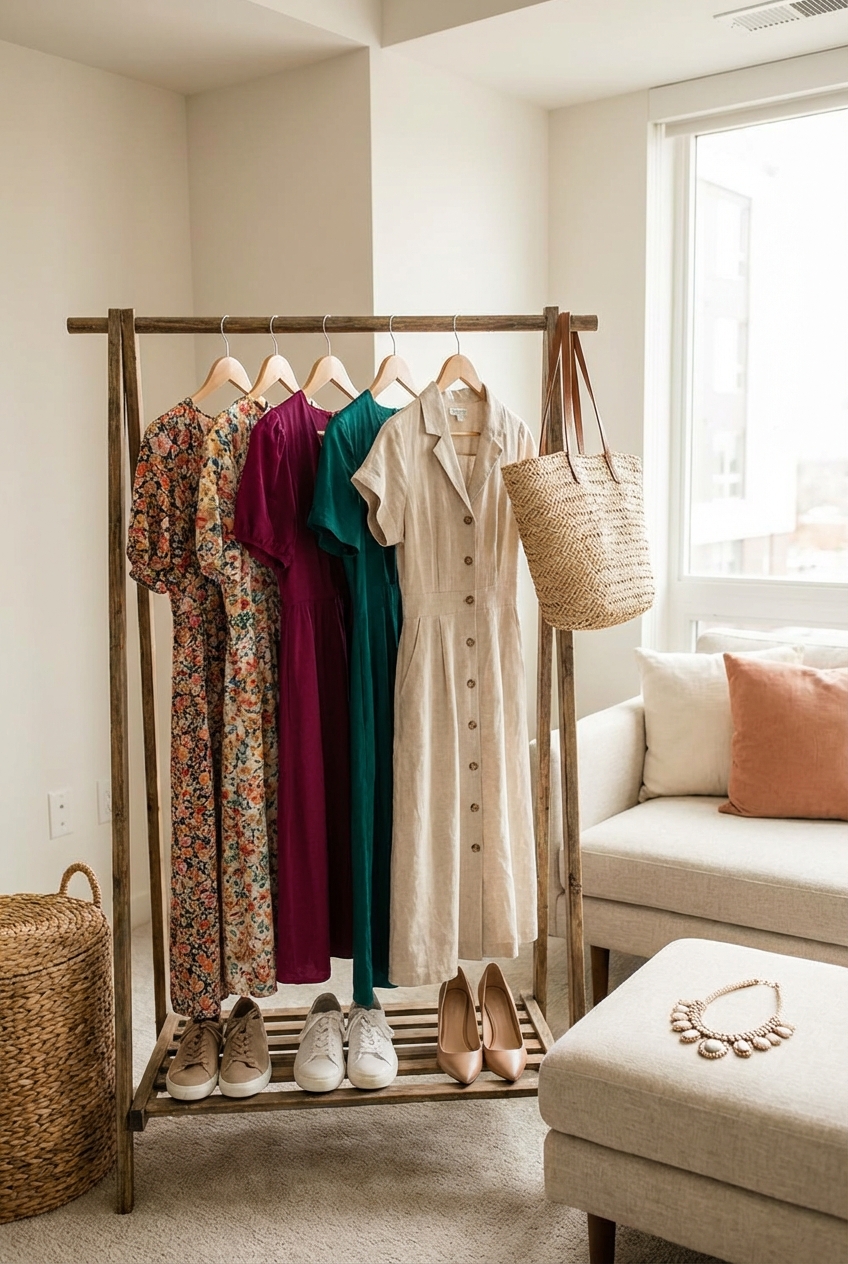
Versatile Midi Dresses For Casual And Formal Looks
There is a specific panic that sets in when you look at a bursting closet and feel like you have absolutely nothing to wear. I see this constantly with my private styling clients. They have separate wardrobes for work, weekends, and events, but very few pieces that can bridge the gap between them. This fragmentation leads to decision fatigue and wasted budget.
The midi dress is the ultimate solvent for this problem. When chosen correctly, it respects the dress code of a corporate boardroom just as well as it suits a relaxed Sunday brunch. The secret lies not just in the silhouette, but in understanding how fabric, cut, and accessories can completely alter the narrative of the garment.
In this guide, I am going to walk you through the architecture of a truly versatile midi dress. We will look at how to strip down a look for errands and how to build it back up for a cocktail hour. If you need visual inspiration on how to execute these transitions, make sure to check out the Picture Gallery at the end of the blog post.
Understanding The Midi Proportion
The “midi” category is technically defined as any hemline that hits between the knee and the ankle. However, in high-end fashion styling, precision is everything. A hem that cuts across the widest part of your calf will visually shorten your legs and make the outfit feel heavy.
To achieve versatility, you must find your “sweet spot.” This is usually the area just below the calf muscle where the leg begins to taper toward the ankle. When the hem hits here, the dress feels intentional and tailored, regardless of whether you are wearing flat sandals or four-inch stilettos.
If you are petite (under 5’4″), a midi dress can sometimes overwhelm your frame. The fix is not to avoid the style, but to ensure the dress has movement. A slit at the side or a slightly sheer overlay prevents the fabric from looking like a solid block, keeping the visual weight light.
Stylist’s Note: The Tailoring Rule
One lesson I learned early in my career is that off-the-rack midi lengths are rarely perfect for everyone.
- The Mistake: Wearing a midi dress that drags down your silhouette because it hits a thick part of the leg.
- The Fix: Take the dress to a tailor. Ask them to pin the hem while you are wearing the shoes you plan to wear most often. Bringing the hem up by just one inch can often make a dress look twice as expensive.
Fabric Selection For Versatility
When I am shopping for a client who needs a workhorse dress, I look at the fabric label before I even look at the price tag. The material dictates the versatility. Cotton jersey, for example, is extremely comfortable, but it is almost impossible to dress up for a formal event because the matte finish reads “gym” or “lounge.”
Conversely, stiff taffeta or heavily beaded fabrics are strictly for evening wear. You cannot dress them down with a denim jacket without looking confused. The goal is to find the middle ground.
Silk crepe, high-quality viscose, rayon blends, and polished cotton poplin are your best friends here. These fabrics have a slight sheen that catches the light beautifully at dinner, but they aren’t so precious that they look out of place in an office setting. They drape over the body rather than clinging to it, which is essential for comfort during a long day.
Common Mistakes + Fixes
- Mistake: Buying 100% linen for a day-to-night look.
- Why it fails: Linen wrinkles the moment you sit down. By the time you reach your evening event, the dress looks tired and unkempt.
- The Fix: Opt for a linen-rayon blend. The synthetic fiber adds stability and wrinkle resistance, maintaining a crisp look from morning to night.
The Slip Dress: The Ultimate Chameleon
The bias-cut slip dress is perhaps the most versatile item a woman can own. In the 90s, it was a grunge staple; today, it is a signifier of effortless elegance. Because it is essentially a blank canvas, it takes on the personality of whatever you pair it with.
For a casual daytime look, I layer a white baby tee or a thin turtleneck underneath the dress. This solves the issue of exposed bra straps and lowers the “sexiness” of the garment, making it appropriate for coffee runs or creative workplaces. You can finish this with clean white sneakers or chunky loafers.
To transition this same dress for a formal wedding or gala, remove the under-layer. Focus on your skin texture—moisturized shoulders and décolletage are part of the outfit. Add a structured blazer draped over the shoulders (don’t put your arms in the sleeves) for arrival, and switch to a delicate strappy heel. The satin finish of the slip dress naturally screams “evening” when it stands alone.
What I’d Do In A Real Project
If I were packing a client for a three-day business trip with a black tie dinner included, here is how I would utilize one black slip dress:
- Travel Day: Layered under an oversized cashmere sweater with combat boots. It looks like a midi skirt.
- Meeting Day: Worn with a belted oversized blazer and pointed flats.
- Gala Night: Worn alone with statement diamond earrings and a sleek updo.
The Shirt Dress: Structure Meets Softness
The button-down shirt dress is a pillar of classic American sportswear. It provides built-in structure thanks to the collar and cuffs, which makes it inherently polished. However, many women struggle to take this piece out of the “office” category.
To wear a shirt dress casually, you need to break up the rigidity. Unbutton the bottom few buttons to create a front slit, showing a bit of leg as you walk. Roll the sleeves up above the elbow—carelessly, not perfectly. Swap the stiff fabric belt for a woven leather belt or a silk scarf tied at the waist. Pair it with flat leather sandals or canvas espadrilles.
For a formal setting, button the dress all the way up to the collar for a severe, high-fashion look. Swap the belt for something metallic or patent leather to define the waist sharply. The key here is footwear; a sharp, pointed-toe pump instantly elevates the cotton fabric. If the dress has pockets, resist the urge to put your hands in them, as this creates slouchy body language.
Designer’s Note: Volume Control
Shirt dresses often come with a lot of fabric volume.
- The Issue: A voluminous shirt dress can swallow you whole, looking like a smock.
- The Fix: Ensure the shoulder seams sit perfectly at the edge of your shoulder bone. If the shoulders fit, the rest of the volume looks intentional. If the shoulders are drooping, the whole dress looks ill-fitting.
The Wrap Dress: Universally Flattering
The wrap dress is iconic for a reason. The V-neck elongates the torso, and the tie waist allows for a custom fit every time you wear it, accommodating natural fluctuations in body shape. It is soft, feminine, and incredibly easy to style up or down.
For a casual weekend, look for wrap dresses in matte prints—florals, polka dots, or geometric patterns work well. A denim jacket is the perfect companion for a wrap dress; the cropped length of the jacket usually hits right at the waist tie, preserving your silhouette. Pair this with fashion sneakers or ankle boots.
To take a wrap dress into formal territory, pay attention to the neckline. You may need a hidden safety pin or fashion tape to ensure the V-neck doesn’t plunge too deep during conversation. Swap the denim jacket for a tuxedo blazer or a faux-fur stole. Because wrap dresses often have a high slit when you sit, be mindful of your undergarments or opt for a slip skirt underneath for coverage.
Footwear Logic: Anchoring The Look
You can have the perfect versatile dress, but if you choose the wrong shoes, you lock the outfit into a specific category. Shoes are the anchors that tell the observer how to interpret the dress.
The rule of thumb for midi lengths is that you must be conscious of the ankle. Because the dress cuts off the leg, you want to avoid shoes that also cut off the leg at the ankle, such as booties with a wide opening or ankle straps that are too thick. These create a “stump” effect.
For casual looks, loafers, mules, and clean minimalist sneakers are standard. They ground the dress and make it practical for movement. For formal looks, you want to extend the line of the leg. A nude pump or a barely-there sandal helps regain the visual height that the midi hemline might take away.
Shoe Pairing Checklist
- Full Skirt Midi: Works best with a slimmer heel or a delicate flat to balance the volume of the fabric.
- Column/Fitted Midi: Can handle a chunkier shoe, like a platform sandal or a combat boot, for a modern contrast.
- Hem Length Warning: Ensure your hem doesn’t get caught in the back of your heels. This is a common tripping hazard with longer midi styles.
Finish & Styling Checklist
When you are getting dressed, run through this mental checklist to ensure your midi dress matches the intent of the event. This is the exact process I use on set to verify a look is camera-ready.
1. Check the Waist Definition
- Casual: Loose, undefined, or softly tied.
- Formal: Cinched, belted, or tailored close to the body.
2. Assess the Jewelry Scale
- Casual: Small hoops, delicate chains, or layered bohemian beads.
- Formal: One statement piece (chandelier earrings OR a bold cuff), architectural metals, or gemstones.
3. Evaluate the Bag Choice
- Casual: Crossbody bags, canvas totes, or slouchy hobo bags.
- Formal: Clutches, structured top-handle mini bags, or metallic envelopes.
4. The “Third Piece” Rule
- If the outfit feels incomplete, add a third piece. For casual looks, this is a denim jacket or cardigan. For formal looks, it is a blazer or a pashmina.
5. Undergarment Check
- Walk in front of a window. Is the dress sheer? If so, you need a slip. Visible outlines of legs are fine for the beach, but not for a cocktail party.
FAQs
Can short women wear midi dresses without looking shorter?
Absolutely. The key is to choose a monochromatic look (dress and shoes in similar tones) to create a continuous vertical line. Also, opt for a dress with a slit, which breaks up the block of fabric and shows more skin, creating the illusion of longer legs. Avoid midis that have large, overwhelming prints.
What is the best coat to wear with a midi dress in winter?
This is a tricky proportion. You generally have two options: go short or go long. A cropped jacket that hits at the waist is great because it defines your shape. Alternatively, a long wool coat that matches the hemline of the dress (or is slightly longer) looks very chic. Avoid coats that end at the knee, as this creates strange “steps” in your silhouette.
Is it appropriate to wear a midi dress to a black-tie event?
Yes, but the fabric is the deciding factor. A cotton midi is not black-tie appropriate. However, a silk, velvet, or sequined midi dress is perfectly acceptable. To ensure it reads “formal,” pair it with high heels and evening-appropriate jewelry. The “Tea Length” formal dress is essentially a fancy midi.
How do I stop my midi dress from clinging to my legs?
Static cling is the enemy of the midi dress. It ruins the drape. Invest in a high-quality anti-static spray. In a pinch, running a wire hanger over the fabric or applying a little moisturizing lotion to your legs can help discharge the electricity. Wearing a slip made of natural fibers like silk can also prevent synthetic linings from sticking.
Conclusion
Building a wardrobe is not about having the most clothes; it is about having the right clothes. The midi dress has earned its place as a modern staple because it respects the complexity of a woman’s life. We rarely have days that are just one thing. We move from school drop-offs to client meetings to dinner dates, often without time to change.
By focusing on high-quality fabrics like silk and crepe, understanding your body’s proportions, and mastering the art of accessory swapping, a single midi dress can serve you in dozens of scenarios. It is one of the smartest investments you can make for your closet. Start with a neutral color in a silhouette that makes you feel confident, and build your accessories around it. You will find that getting dressed becomes significantly easier.
Picture Gallery


