
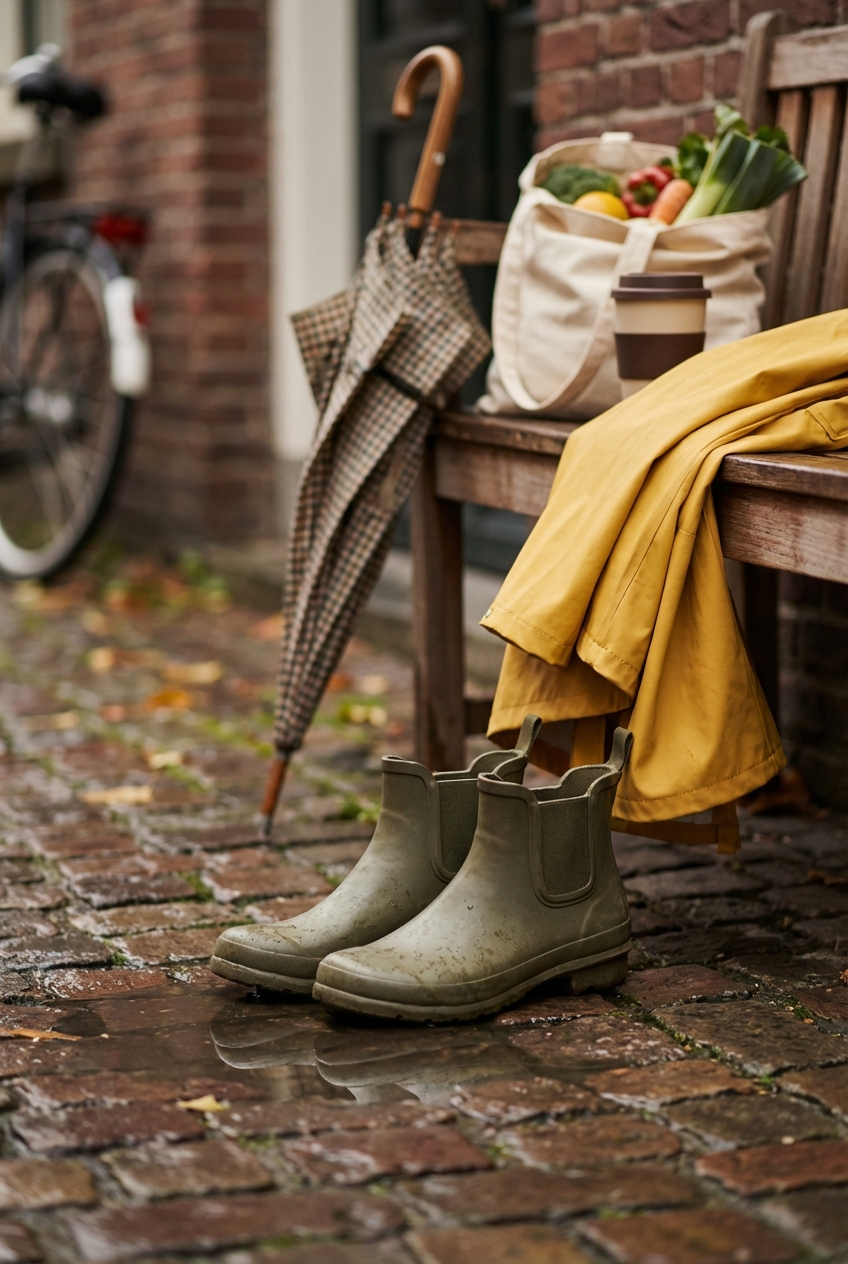
Waterproof Boots For Rainy Day Errands
Nothing ruins a perfectly curated outfit faster than a sudden downpour. For years, I treated rainy days as a fashion “pass,” resigning myself to old sneakers or clunky, unsightly galoshes just to get from point A to point B. It wasn’t until I started working editorial shoots in unpredictable weather that I realized rainwear is actually a major opportunity for style elevation.
The secret to mastering rainy day errands isn’t just finding something waterproof; it is finding a boot that bridges the gap between utility and high-end design. You need a pair that can handle a splash from a passing taxi but still looks chic when you walk into a coffee shop or a design showroom. The market has finally caught up, offering silhouettes that rival your favorite leather booties.
In this guide, I am breaking down the essential waterproof styles that deserve a spot in your mudroom. We will cover fit, material integrity, and exactly how to style them so you never look like you are dressed for a fishing trip (unless you want to). If you are looking for visual inspiration on how to pair these boots with your current wardrobe, be sure to scroll down to the Picture Gallery at the end of the blog post.
1. The Elevated Chelsea Boot: The City Standard
If you only buy one pair of rain boots, make it a rubberized Chelsea boot. This is the gold standard for urban errands because it is discreet. From a distance, a high-quality matte rubber Chelsea looks exactly like a leather ankle boot, making it seamless to transition from the street to an indoor setting.
When selecting this style, pay close attention to the “goring” (the elastic side panel). On cheaper boots, this is often where water leaks in. Look for a pair where the rubber overlaps the elastic slightly, or where the elastic is treated with a water-repellent coating.
Fashion Expert’s Rule of Proportion
The shaft height is critical here. For the most flattering leg line, the boot shaft should hit about two inches above your ankle bone. If it is too low, your socks get wet. If it is too high, it cuts off the calf muscle and makes the leg look shorter.
- The Look: Pair these with straight-leg denim cropped just above the boot top.
- The Mistake: Bunching skinny jeans into a short boot. It creates a “muffin top” effect at the ankle.
- The Fix: Use a cuff or a hem that falls cleanly over the top of the boot, or opt for a wide-leg trouser that covers the shaft entirely.
2. The Tall Wellington: Equestrian Chic
There is a timeless elegance to the tall rubber boot, traditionally known as the Wellington. While these originated for field work, they have become a staple in high-end casual wear. They offer maximum protection for days when the puddles are deep and the wind is whipping rain sideways.
However, fit is notoriously difficult with tall boots. A common issue I see is a boot that is too tight around the calf, creating uncomfortable suction, or one that is so wide it slaps against your leg with every step. You want a structured shaft that holds its shape but allows for a thick sock.
Designer’s Note: The “Finger Test”
When trying on tall boots, you should be able to fit one finger comfortably between the boot rim and your calf while wearing your thickest socks. If you can fit two fingers, they will likely chafe. If you can’t fit one, you will lose circulation.
- Styling Tip: Lean into the heritage aesthetic. These look incredible with heavy leggings and an oversized trench coat.
- Avoid: Wearing these with knee-length skirts. The hem of the skirt meeting the top of the boot cuts the leg in half visually.
- Better Choice: A mini skirt with tights allows for a gap of leg that breaks up the visual weight.
3. The Lug-Sole Trend: Edge Meets Function
Over the past few seasons, the chunky “lug sole” has dominated the runways. This is excellent news for rainy days because that thick, heavy tread provides superior traction on slick marble floors or wet asphalt. This style adds a bit of grunge-inspired edge to an outfit and instantly modernizes a look.
The visual weight of a lug sole is heavy. To balance this, you need to be careful with what you wear on top. If you wear a heavy boot with a tight, light top, you can look bottom-heavy. You need volume up top to match the volume on your feet.
Common Mistakes + Fixes
Mistake: Wearing heavy lug boots with delicate, flowy chiffon dresses without a grounding element.
Fix: Add a structured leather jacket or an oversized blazer to the dress. This repeats the “heavy” visual element of the boots near your face, creating a balanced sandwich effect.
Mistake: Buying heavy rubber boots that drag comfortably.
Fix: Lift the boot before buying. High-quality vulcanized rubber is dense, but technology has allowed for lighter compounds. If you drag your feet when you walk in the store, they will be exhausting to wear for a full day of errands.
4. Duck Boots: The Preppy Resurrection
The classic duck boot—rubber bottom, leather upper—has moved beyond the college campus and into the luxury sphere. Many high-end designers are now collaborating with heritage outdoor brands to create versions that feature shearling linings, gold hardware, and premium leathers.
These are your workhorses. They are generally warmer than a standard rubber boot because the leather upper breathes, and they often come lined. If your errands involve a lot of walking or temperature fluctuations (like freezing rain), this is your best functional bet.
What I’d Do in a Real Project
If I am styling a client for a weekend getaway or a casual rainy Saturday, I lean towards monochromatic duck boots. The classic tan-and-navy is iconic, but an all-black or all-cream version feels much more “fashion editor” and less “camp counselor.”
- Lacing Logic: Keep the laces loose. You want to be able to slip these on and off easily at the door.
- Sock Strategy: These boots demand a visible sock. A marled wool sock peeking out the top adds texture and coziness that softens the utilitarian look.
5. Material Science: Rubber vs. Treated Leather
Not all waterproof boots are made of rubber. As technology advances, we are seeing incredible waterproof leather options that offer the breathability of a natural material with the protection of a synthetic one. Understanding the difference is key to longevity.
Rubber (PVC or Natural):
- Pros: 100% waterproof, easy to wipe clean, generally more affordable.
- Cons: Zero breathability. Your feet will sweat, which can actually make them cold and clammy.
- Best For: heavy downpours, mud, shorter durations.
Waterproof Leather/Suede:
- Pros: Molds to your foot, breathes well, looks more expensive.
- Cons: Requires maintenance (sprays/waxes), can stain from salt, higher price point.
- Best For: Light rain, all-day wear, office settings.
Maintenance Reality Check
If you buy rubber boots, you must watch out for “blooming.” This is a white, powdery wax that rises to the surface of high-quality natural rubber. It is not a defect; it actually proves the rubber is natural. Wipe it away with a designated rubber buffer or a tiny bit of olive oil on a cloth to restore the shine.
6. The Over-The-Knee Rain Boot
For the boldest fashion statement, the over-the-knee (OTK) rain boot is a dramatic choice. These act almost like a waterproof pant leg. They offer the most protection against splashing from passing cars and keep your pants entirely dry.
However, these are tricky to pull off without looking like a fisherman. The key is the silhouette. Look for a shaft that is fitted, not baggy. Bonded jersey linings help the rubber stretch and hug the leg rather than gaping.
Styling The OTK
You have two main options here. First, wear them over the tightest skinny jeans you own to create a seamless, long leg line. Second, wear them with a short raincoat used as a dress. This is a very high-fashion, editorial look that works well for quick dashes into events or dinners.
Avoid wearing these with mid-length coats. A coat that ends right where the boot begins creates a blocky, unappealing shape. You want to see the transition between the boot and the garment.
Finish & Styling Checklist
Before you head out the door, run through this mental checklist to ensure your rainy day look is polished.
The “Errand Ready” Mini-Checklist
- Check the Pant Break: Are your pants bunching uncomfortably? Roll them up or switch to leggings.
- Sock Check: Are you wearing cotton socks? Swap them for wool or a synthetic blend. Cotton holds moisture (sweat) and will give you blisters in rubber boots.
- The Squeak Test: Walk around your hallway. If the boots squeak loudly, rub a little dryer sheet on the soles or apply talcum powder inside if the squeak is internal.
- Visual Balance: If your boots are chunky, add a scarf or a structured coat to balance the volume.
FAQs
Should I size up in rain boots?
Generally, yes. Rubber does not stretch like leather. If your toe hits the end of the boot, it will never get better; it will only hurt. Plus, you will likely be wearing thicker socks. I usually recommend going up one half-size, or a full size if you plan on wearing heavy wool thermal socks.
How do I stop my feet from sweating in rubber boots?
This is the biggest complaint with waterproof footwear. The solution is in the sock, not the boot. Never wear cotton. Merino wool is magical because it wicks moisture away from the skin and regulates temperature. You can also buy moisture-absorbing insoles (often made of bamboo or charcoal) to swap into your boots.
Can I wear rain boots to a nice dinner?
If they are the sleek Chelsea style mentioned in section one, absolutely. A clean, matte black Chelsea boot disappears under a nice pair of trousers or dark denim. Tall rubber wellies, however, should usually be checked at the coat check or swapped out if the venue is formal.
How do I clean mud off without scratching the finish?
Rinse them with water first to remove grit. Do not scrub dry mud; that is essentially sanding your boots. Once the loose dirt is gone, use a soft sponge with mild dish soap. Never use harsh chemical cleaners on natural rubber, as it can cause the material to crack and become brittle.
Conclusion
Navigating a rainy day does not mean you have to sacrifice your personal style. By choosing the right silhouette—whether it is a versatile Chelsea, a classic Wellington, or a trendy lug sole—you can build an outfit that is both practical and polished.
Remember that the best waterproof boot is one that fits your lifestyle. If you are constantly running in and out of the car, a short boot is best. If you walk ten blocks to the subway, go for the tall boot with a supportive sole. Invest in quality materials, pay attention to the proportions of your outfit, and you might just find yourself looking forward to the next gray sky.
Picture Gallery


