
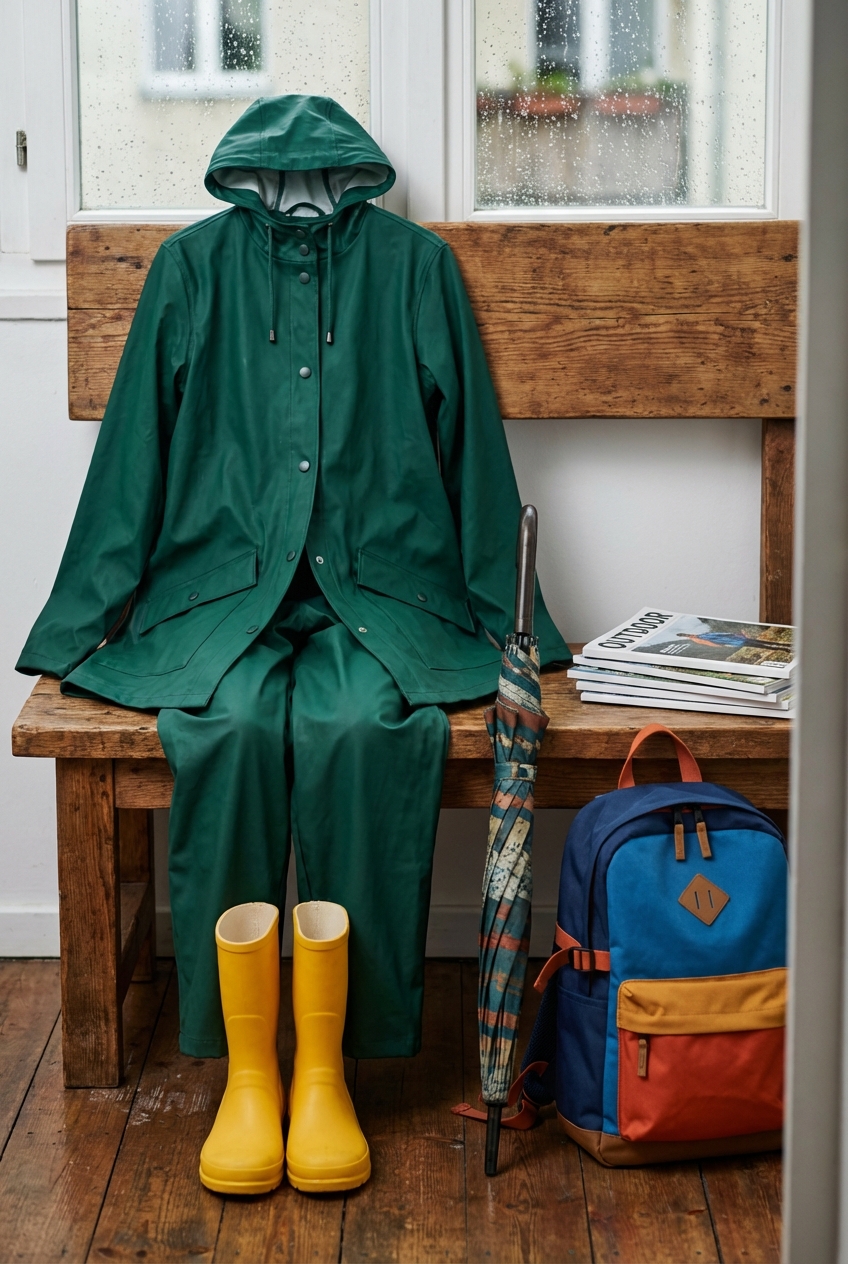
Waterproof Outerwear Sets For Rain Heavy Weather
There is nothing quite as disheartening as curating a perfect ensemble, only to have it compromised by a sudden, torrential downpour. For years, I viewed rainy days as a styling defeat, forcing me to choose between my aesthetic standards and simply staying dry. However, the modern landscape of high-end outerwear has shifted dramatically, offering waterproof sets that treat rain protection as a luxury experience rather than a utilitarian necessity.
Navigating heavy weather requires more than just a standard trench coat; it demands a cohesive system that protects you from the elements while maintaining a sharp silhouette. We are moving past the days of shapeless plastic ponchos and embracing technical fabrics that breathe, move, and drape beautifully. I have curated a collection of inspiring looks to guide your choices, so keep in mind that a comprehensive Picture Gallery is waiting for you at the end of the blog post.
In this guide, we will explore how to select waterproof outerwear sets that stand up to heavy weather without sacrificing elegance. From understanding hydrostatic ratings to mastering the art of layering under impermeable fabrics, we will cover the essential details that elevate your rainy-day wardrobe. Let’s redefine what it means to dress for the storm.
Decoding Waterproof Fabrics: What Actually Keeps You Dry
The first step in building a heavy-weather wardrobe is understanding the difference between water-resistant and truly waterproof. In high-end fashion, we often see terms thrown around loosely, but when the forecast predicts heavy rain, specifics matter. You need materials that create an actual barrier against moisture while allowing your body heat to escape.
Look for technical membranes like Gore-Tex Pro or proprietary weaves from luxury houses that offer high hydrostatic head ratings. A rating of 10,000mm is a minimum for heavy rain, but for true storm protection, I always recommend aiming for 20,000mm or higher. This ensures that even under pressure—like sitting on a wet bench or carrying a heavy bag—water will not penetrate the fabric.
Fashion Expert’s Note: One detail I always check immediately is the seam construction. A fabric can be completely waterproof, but if the seams are stitched without being taped or sealed, water will seep through the needle holes. Always inspect the interior of the jacket and trousers for that tell-tale strip of waterproof tape over the joinery.
Another often overlooked aspect is the DWR (Durable Water Repellent) coating. This is the outer treatment that makes water bead up and roll off the surface. Over time, even the most expensive coats will lose this ability, leading to “wetting out,” where the outer fabric gets soaked even if the inner membrane keeps you dry. This makes the garment heavy and cold, so regular re-proofing is essential.
Common Mistakes + Fixes
- Mistake: Assuming a thick wool coat is sufficient for heavy rain.
- Fix: Wool is water-resistant to a point, but it gets heavy and smells like damp sheep when soaked. Always opt for a dedicated technical shell for heavy downpours.
- Mistake: Buying “water-repellent” fashion coats for storms.
- Fix: Reserve water-repellent items for light mist. For heavy rain, check the tag for the word “waterproof” and look for sealed seams.
The Silhouette: Balancing Function and High-Fashion Form
Many women avoid full rain sets—jacket and trousers—because they fear looking like they are heading on a hiking expedition. The secret to avoiding the “gear” look lies in the silhouette and tailoring. You want a cut that mimics your regular tailored clothing, rather than the boxy shapes found in camping stores.
When selecting a jacket, prioritize architectural details like adjustable waist cinches, fishtail hems, or structured collars. These elements add intention to the outfit. A belted raincoat immediately creates an hourglass shape, preventing the fabric from swallowing your figure. The length is also crucial; for heavy weather, a mid-thigh to knee-length cut offers the best coverage for your upper legs without restricting movement.
For the trousers, look for a tapered leg or a wide-leg cut that mimics high-end trousers. Avoid the elastic-ankle “jogger” style if you want to maintain a polished look. A straight leg that falls cleanly over your boot is universally flattering and lengthens the leg line.
What I’d do in a real project: When styling a client for a rainy city trip, I often choose a monochrome set in a sophisticated neutral like charcoal, navy, or olive. This creates a “column of color” that looks like a jumpsuit rather than a rain suit. It feels intentional and chic, especially when paired with a leather bag kept under the jacket.
Curating the Perfect Two-Piece Rain Set
The two-piece set is the gold standard for heavy weather versatility. While a long coat is excellent, it leaves your lower legs vulnerable to sideways rain and splashback from puddles. A coordinated set of a jacket and waterproof trousers solves this problem completely.
When shopping for sets, pay close attention to the rise of the trousers. High-waisted rain trousers are superior because they provide an overlap with your jacket, ensuring no water gets in when you reach up or bend down. They also tend to sit more comfortably over your regular clothes.
Consider the closure systems carefully. Zippers should be waterproof (often looking like a rubberized strip) or covered by a storm flap with snaps. Velcro can be functional, but in a high-fashion context, it often looks cheap and can snag your wool layers underneath. Magnetic snaps or heavy-duty metal poppers are preferred for a luxe finish.
Designer’s Note: One issue that frequently arises with rain sets is the noise. Some technical fabrics create a loud “swishing” sound when you walk. When trying on a set, walk briskly around the room. High-quality matte finishes or brushed polyester shells are often quieter and feel more luxurious than shiny, crinkly nylon.
Layering Strategy: What Goes Underneath Matters
Waterproof fabrics, by nature, trap heat more than standard fabrics, even if they are breathable. This means your layering strategy must focus on moisture management. If you sweat inside your raincoat, you will feel just as wet as if the rain had hit you.
Avoid cotton base layers at all costs during heavy rain. Cotton absorbs moisture and holds it against your skin, leaving you clammy and cold. Instead, opt for natural fibers like Merino wool or cashmere, or high-tech synthetics. Merino wool is particularly excellent because it regulates temperature and remains warm even if it absorbs a little humidity.
For the mid-layer, think about volume. Since rain shells are often non-stretch, you don’t want a bulky cable-knit sweater restricting your arm movement. Thin, high-density knits or down vests are perfect. They provide warmth without the bulk, allowing the outerwear to drape correctly.
Pro-Level Rules of Thumb
- The Air Gap Rule: Leave a small gap of air between your layers and the outer shell. This air pocket provides insulation and allows the breathable membrane to work.
- Sleeve Length: Your inner sleeves should end slightly higher than your rain jacket sleeves to prevent them from wicking up moisture from your wrists.
- Hemlines: Ensure your inner top does not hang lower than your jacket, as the exposed hem will act like a wick, soaking up water and pulling it upward.
Footwear and Accessories to Complete the Look
A waterproof set is only as effective as the footwear you pair with it. There is a disruption in the visual line if you pair a sleek rain set with clunky, utilitarian galoshes. Modern luxury rain boots are sleek, often resembling Chelsea boots or riding boots, and are made from high-quality vulcanized rubber.
Ensure your trousers break at the right point on the boot. If the trousers are too short, water will run into the top of the boot. If they are too long, they will drag in the mud. The ideal length is about an inch below the top of the boot shaft, or wide enough to go over the boot completely.
For headwear, a hood is essential, but it can limit peripheral vision and flatten your hair. I recommend a wide-brimmed waterproof hat or a structured rain bucket hat as a chic alternative. If relying on a hood, look for one with a stiffened brim and adjustable drawstrings so it stays in place during wind gusts.
Common Mistakes + Fixes:
- Mistake: Carrying a non-waterproof leather handbag.
- Fix: Water can ruin expensive leather instantly. Use a waterproof tote or invest in a “rain coat” for your handbag. Alternatively, wear a crossbody bag under your rain jacket.
- Mistake: Wearing suede boots.
- Fix: Even with spray protection, suede is risky in heavy rain. Stick to rubber, treated leather, or patent leather which naturally repels water.
Investment Care: Maintaining Your Waterproof Gear
High-end waterproof outerwear is an investment that requires specific care to maintain its functionality. Many people are afraid to wash these items, thinking the washing machine will strip the waterproofing. In reality, dirt and oils from your skin clog the breathable pores of the membrane, reducing its effectiveness.
Wash your gear regularly using a technical wash specifically designed for waterproof garments. Never use standard laundry detergent, fabric softeners, or bleach, as these leave hydrophilic residues that attract water. After washing, tumble dry on low heat (check the care label first). The heat actually reactivates the DWR coating on the exterior.
Store your rain sets hanging up, not compressed in a ball. Leaving a wet jacket crumpled in a corner encourages mold and delamination of the fabric layers. Allow it to air dry completely away from direct heat sources like radiators before putting it in the closet.
What I’d do in a real project: I advise clients to inspect their gear at the start of every rainy season. Pour a little water on the sleeve. If it soaks in and darkens the fabric, it’s time to apply a spray-on DWR treatment to restore the water-beading capability.
Finish & Styling Checklist
Before stepping out into the deluge, run through this quick styling and functional checklist to ensure you are fully protected and looking your best.
- Check the Seal: Are all zippers fully closed and storm flaps snapped down?
- Hood Adjustment: Have you tightened the hood toggles so it won’t blow off in the wind?
- Trouser Overlap: Are your trousers pulled down over your boots properly to prevent water entry?
- Layer Check: Are you wearing wool or technical fabrics underneath, avoiding cotton?
- Bag Security: Is your bag waterproof, or is it safely tucked under your outer layer?
- Ventilation: If you are moving fast (rushing to a cab), have you opened pit zips or loosened cuffs to prevent overheating?
FAQs
Can I wear a trench coat in heavy rain?
Classic cotton gabardine trench coats are water-resistant, not waterproof. They will eventually soak through in heavy rain. Look for a trench made from technical waterproof fabric or rubberized cotton for true heavy-weather protection.
How do I stop my glasses from fogging up with a hood on?
This is a common issue caused by breath being trapped by the hood. Try to keep the collar slightly open to allow airflow, or wear a cap with a brim under your hood to keep the rain off your lenses, allowing for better ventilation.
Are rain ponchos ever stylish?
They can be, but they are generally less practical for city life as they flap in the wind. A structured cape with arm slits can be a chic, high-fashion alternative, but for maximum protection, a sleeved jacket and trouser set is superior.
How often should I re-waterproof my jacket?
It depends on usage, but a good rule of thumb is once per season or whenever you notice water stopping to bead up on the surface. High-friction areas like shoulders (from bag straps) may need more frequent treatment.
Conclusion
Mastering the art of dressing for heavy weather is about refusing to compromise. You do not have to arrive at your destination soaked, nor do you have to look like you are dressed for a wilderness survival expedition. By choosing high-quality, technically sound waterproof sets, you reclaim your style from the elements.
Focus on the details: the sealed seams, the breathability ratings, and the cut of the silhouette. Treat your rainwear with the same scrutiny you would apply to a tailored blazer or an evening gown. When you invest in the right gear, a rainy day ceases to be a nuisance and becomes an opportunity to showcase a different facet of your wardrobe.
Remember that maintenance is key to longevity. Treat your waterproofs well, and they will protect you for years to come. Now that you are armed with the knowledge of fabrics, fits, and layering, take a look at the gallery below for visual inspiration on how to pull these looks together seamlessly.
Picture Gallery


