Winter Layering Knits: How to Add Bold Color Pops
- Words by
- Julio Arco
- Published
- Reading
- 5 min
The easiest way to bring color into winter is through your knits: a thin base layer, one bold sweater or cardigan in the middle, and a coat in a calm neutral on top. Keep the bright piece to one layer and the rest quiet, and you get warmth and color without a bulky silhouette.
Below is how to build that stack, which colors sit well together, and what tends to go wrong.
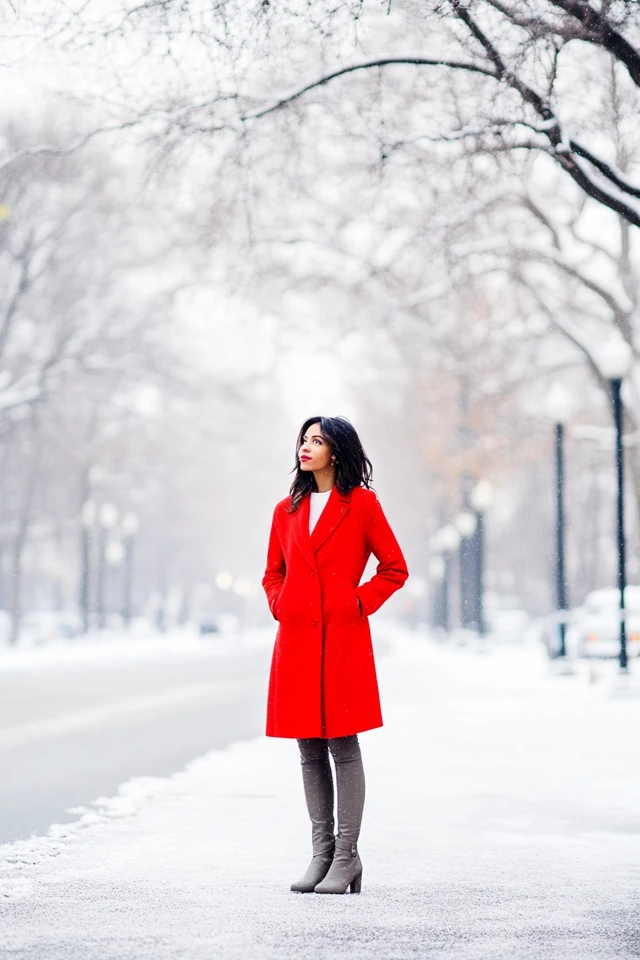
What is the 3 layer rule for winter?
The rule is simple: a base layer next to the skin, a mid-layer that traps warmth, and an outer layer that blocks wind and wet. For everyday dressing, that usually means a fitted tee or thin long-sleeve, a knit sweater or cardigan, and a coat.
It is also the best layering system for winter when you are moving between cold streets and heated rooms, because you can remove the middle piece without losing the outfit. Color fits naturally into the mid-layer, since it is the piece people see most.
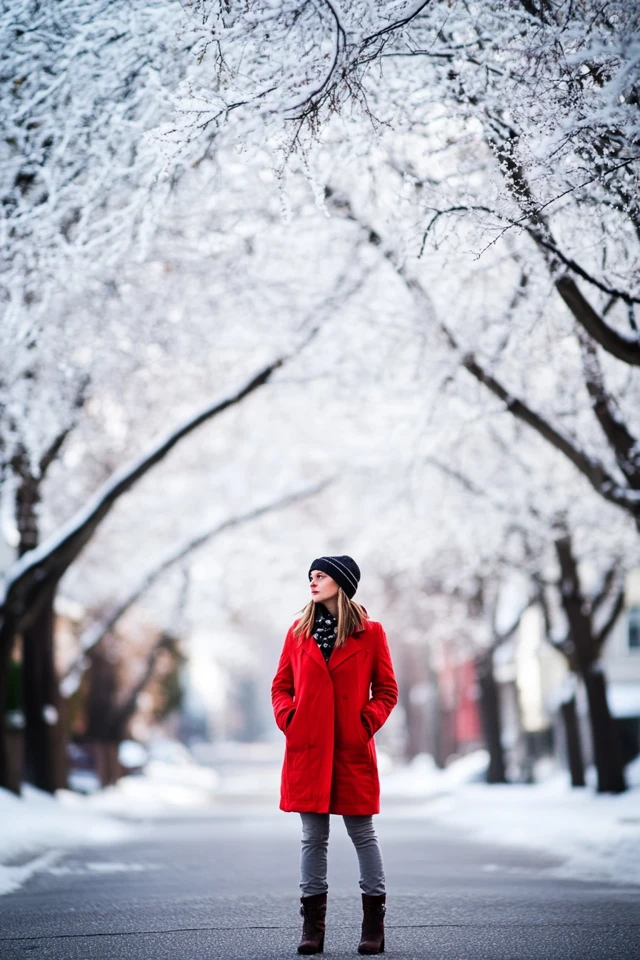
Start with a smooth base layer
Choose a thin, close-fitting base in a neutral that matches your skin or your sweater's lightest tone. A smooth surface lets the knit above it drape instead of catch and bunch.
For outdoor activity, Texas A&M's Howdy Health advises that the layer closest to your skin should be made of moisture-wicking materials that draw sweat away. It also says to avoid cotton, because it absorbs moisture and can keep it next to your skin, which makes you cold. That advice is written for exercise, but it is a fair guide for long days outdoors too.
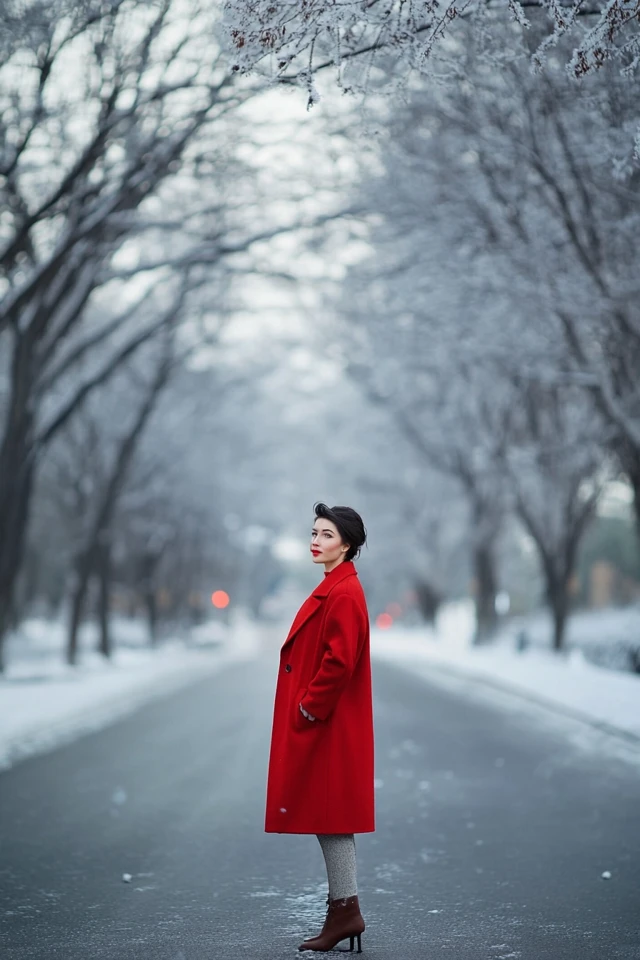
Pick one bold knit for the middle layer
This is where how to layer knitwear for winter gets fun. Choose a single sweater or cardigan in a saturated shade, such as cobalt, emerald, burgundy or mustard, and let everything around it stay neutral.
Through the lens of evidence-based design, I'd treat the knit as the first thing the eye reads. A strong color next to the face pulls attention upward, so a bright crewneck or V-neck over a quiet collar frames you better than a bright piece buried under a coat.
- Bright knit with a white or cream collar peeking out: crisp and easy.
- Bright cardigan over a gray turtleneck: the gray calms the color.
- Bright sweater with dark denim or black trousers: the safest pairing.
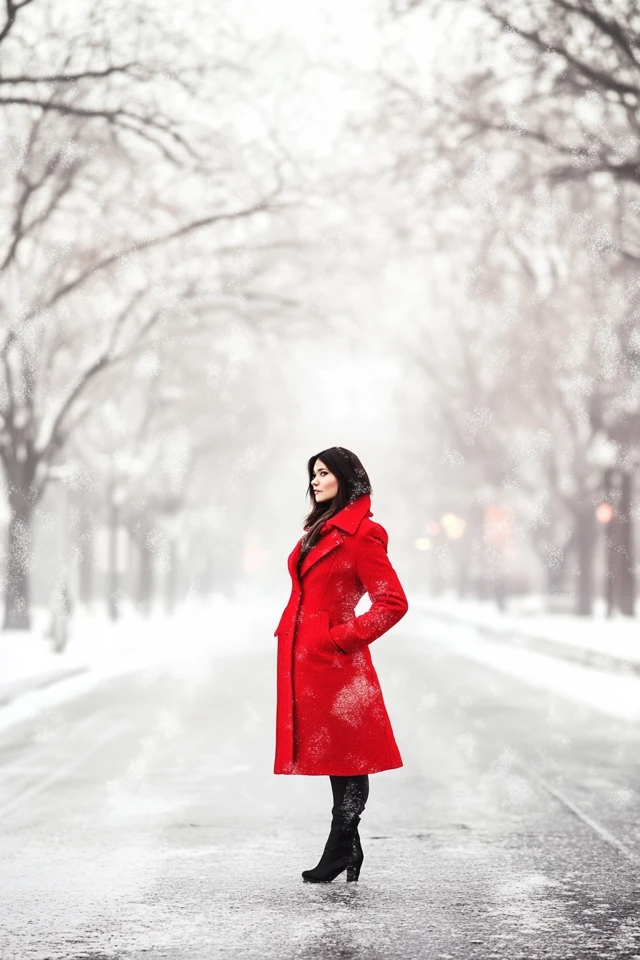
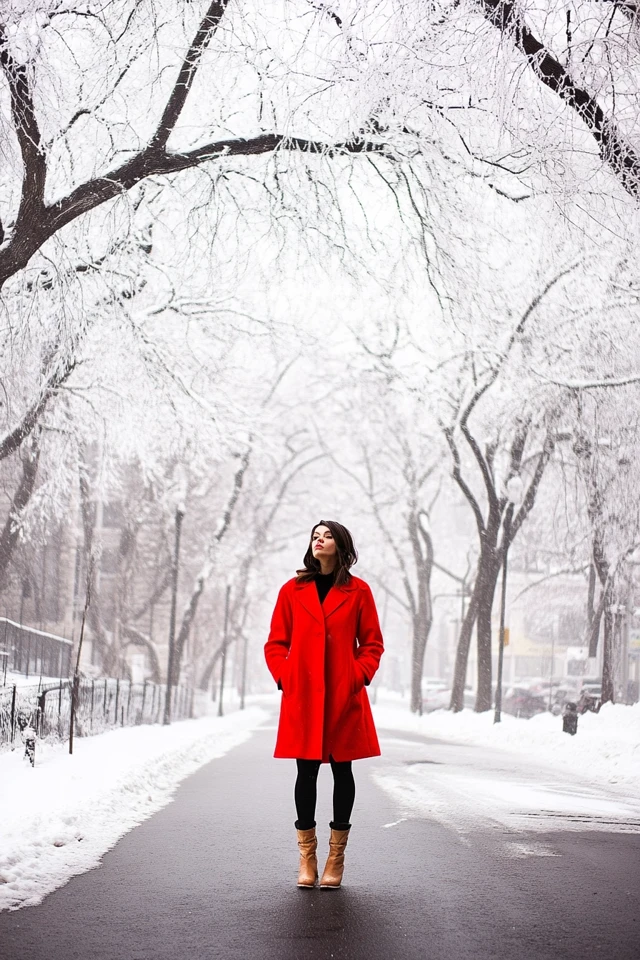
How to layer without looking bulky
Bulk comes from stacking thick pieces of similar volume. Balance them instead: if the sweater is chunky, keep the base and bottoms slim, and pick a coat with enough room in the shoulders to fit over the knit.
- Make the base layer thin and fitted.
- Let only one layer be oversized.
- Fold or push up sleeves so the cuffs of each layer show in turn.
- Tuck or half-tuck the base to keep the waist visible.
- Check that the coat closes without pulling across the shoulders. If it does, that is a fit problem, not a you problem.
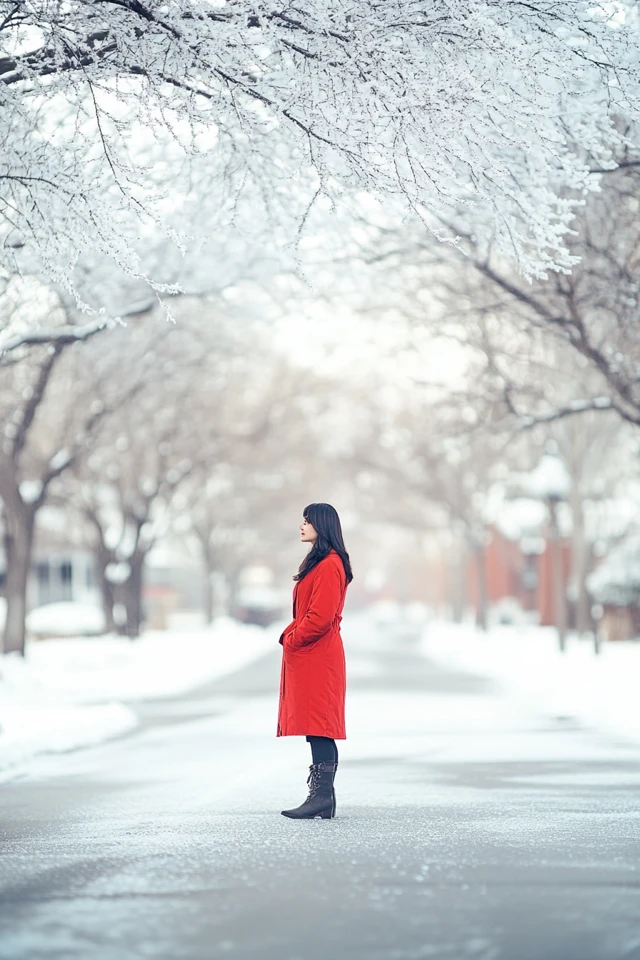
Layering with merino wool
Merino is a good choice for the base or the thinner mid-layer, since the fibers are generally soft and the knits can be made fine. A fine-gauge merino sweater slides under a coat easily and takes bright dyes well.
Texture changes how a color reads. A matte, fine knit and a fuzzy, brushed one in the same red do not look like the same red, because the surface changes how light reaches your eye. As an architect trained in evidence-based design, I'd pick the softer, flatter weave when you want the color to look deep and calm, and the fuzzier one when you want it to look warmer and lighter.
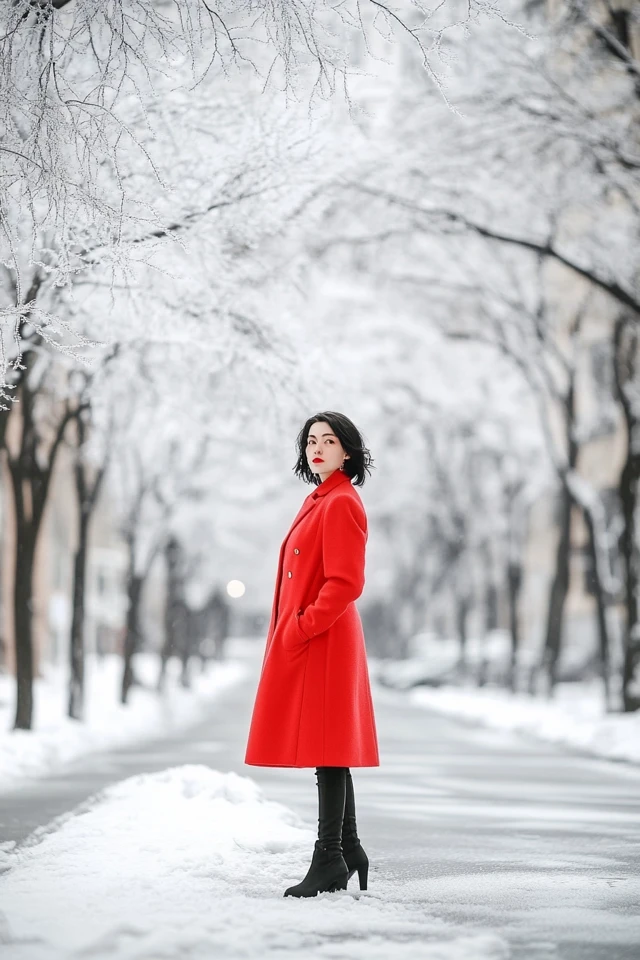
Which bold colors work with winter neutrals?
Neutrals make the best backdrop: black, charcoal, camel, cream and navy. Pair each bold knit with a neutral that gives it a clear edge.
| Bold knit | Neutral to pair | Effect |
|---|---|---|
| Cobalt blue | Camel coat, gray trousers | Cool against warm, high contrast |
| Emerald green | White shirt, dark denim | Clean and rich |
| Mustard yellow | Black or charcoal | Bright accent on a dark base |
| Burgundy | Navy or cream | Softer, easy to wear daily |
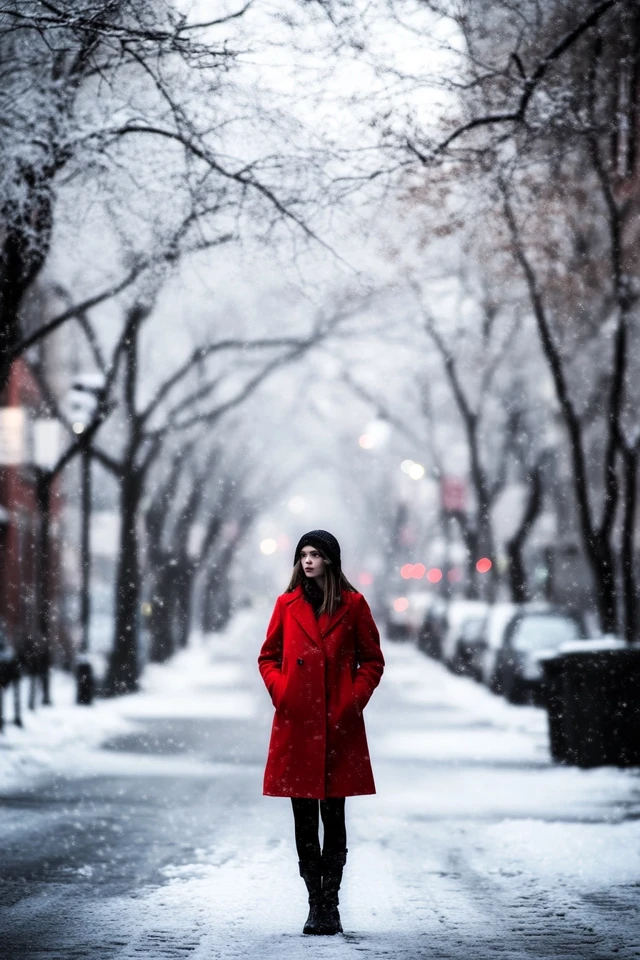
If you already own a neutral set of basics, adding pops of color to a neutral capsule wardrobe shows how to choose the first bright piece. For wider cold-weather outfit planning, see building a capsule wardrobe for cold weather.
Use scarves, boots and vests for smaller color pops
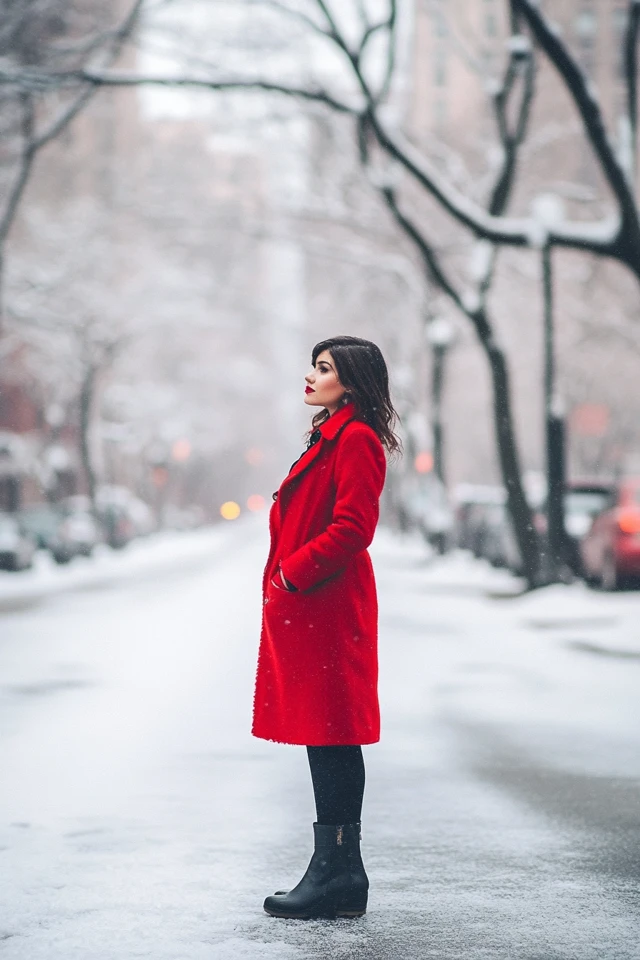
If a bright sweater feels like too much, move the color to something smaller. A scarf can be added or removed as the temperature shifts, and bright boots add color at the bottom of an all-neutral look. A bright vest also adds color to the torso without adding sleeves, which keeps the layers slimmer. Puffer vests in bold colors are one way to do it.
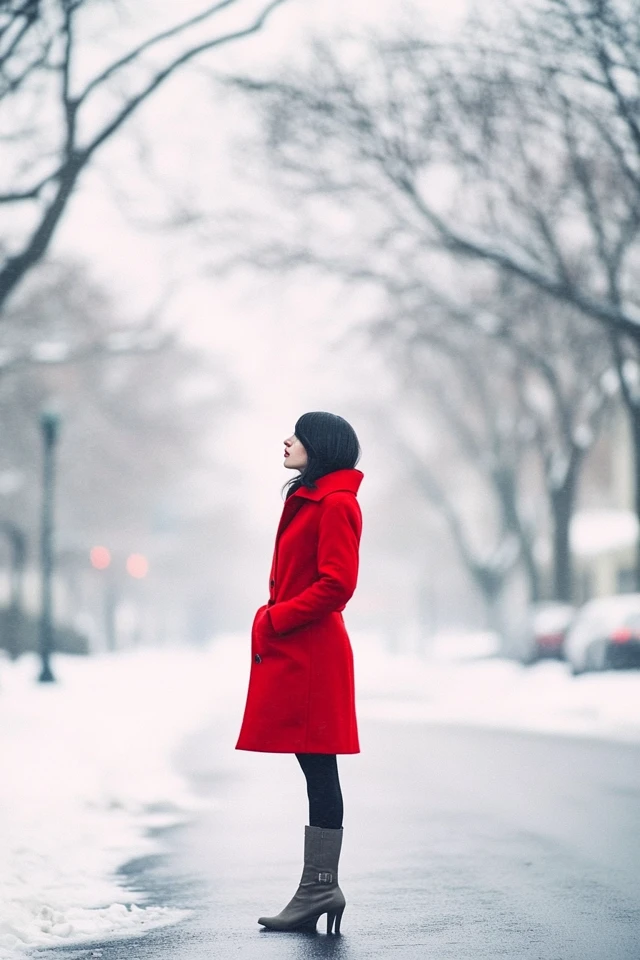
Keep to one or two bright accents per outfit. Three competing colors read as busy, even when each one looks good alone.
Common winter layering mistakes
- Wearing a thick cotton base, which holds moisture against the skin.
- Putting a bulky sweater under a coat that was bought to fit over only a shirt.
- Choosing a bright knit and bright bottoms in a different bright color, with nothing neutral to separate them.
- Layering several heavy textures at once, such as a chunky knit, a thick scarf and a puffy coat, with no slim piece to balance them.
- Ignoring sleeve length, so cuffs bunch at the wrist.
For more outfit structure, the post on chic layering with knits and wool goes deeper on combining weights. If you are traveling somewhere very cold, packing for cold climates covers how many layers to bring.
Frequently asked questions
What is the best layering system for winter?
A thin moisture-wicking base, a warm knit mid-layer and a wind-blocking coat covers most days. Adjust the thickness of each piece to the temperature and how active you will be.
Can I wear a bold sweater under a coat?
Yes, as long as the coat closes comfortably over it. Leave the collar or the cuffs visible so the color still shows when the coat is on.
How do I keep bright knits from fading?
Follow the care label, which for most knits means cold water, a gentle detergent and drying flat. Keep them out of direct sunlight in storage.
Filed under Seasonal Trends